
Last updated November 25, 2026
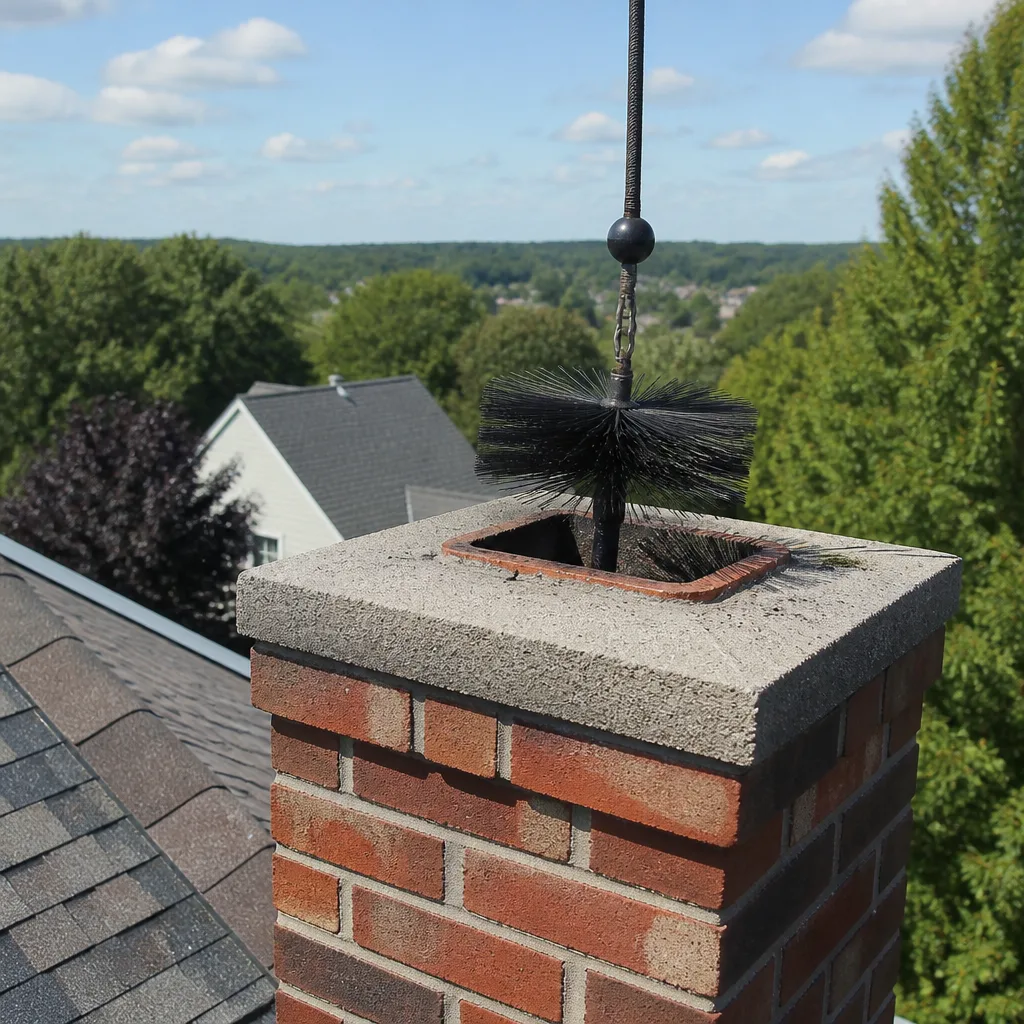 Sweep & inspection
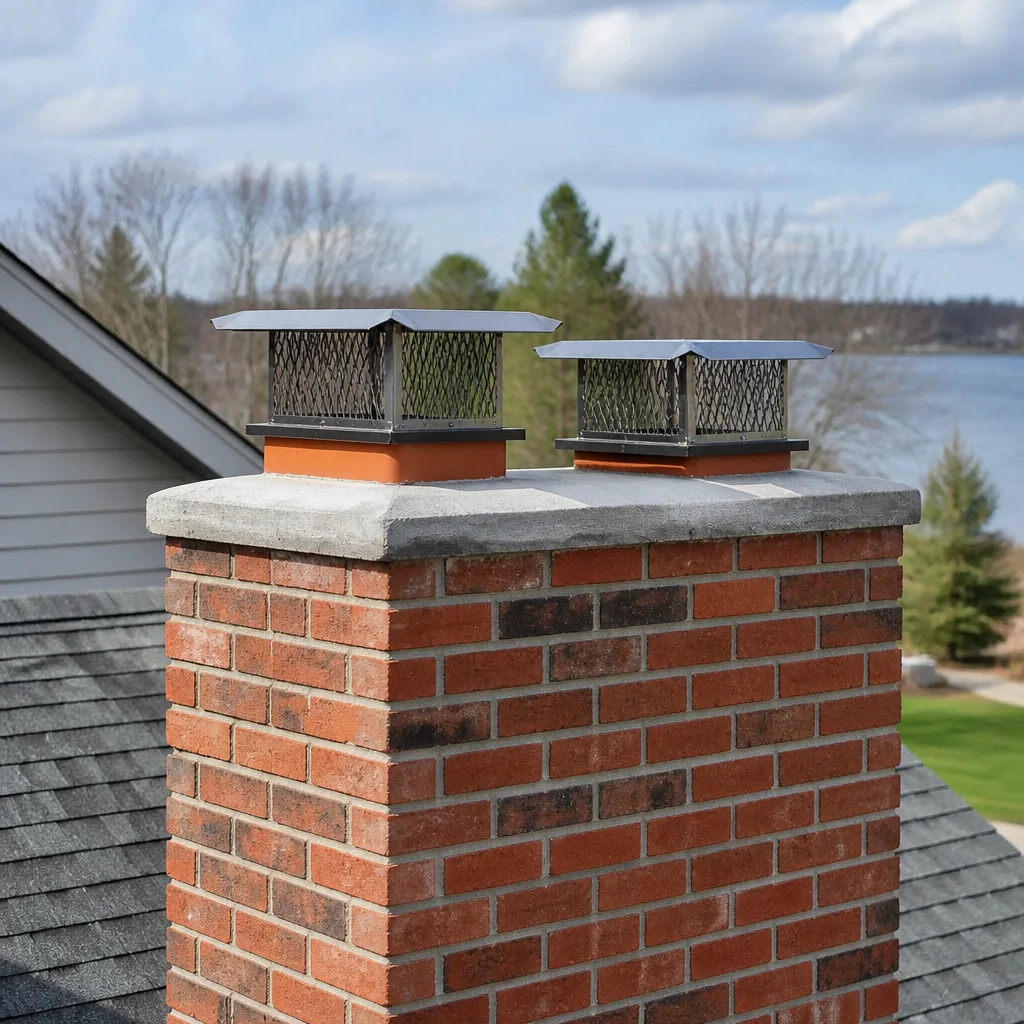 Caps & crowns
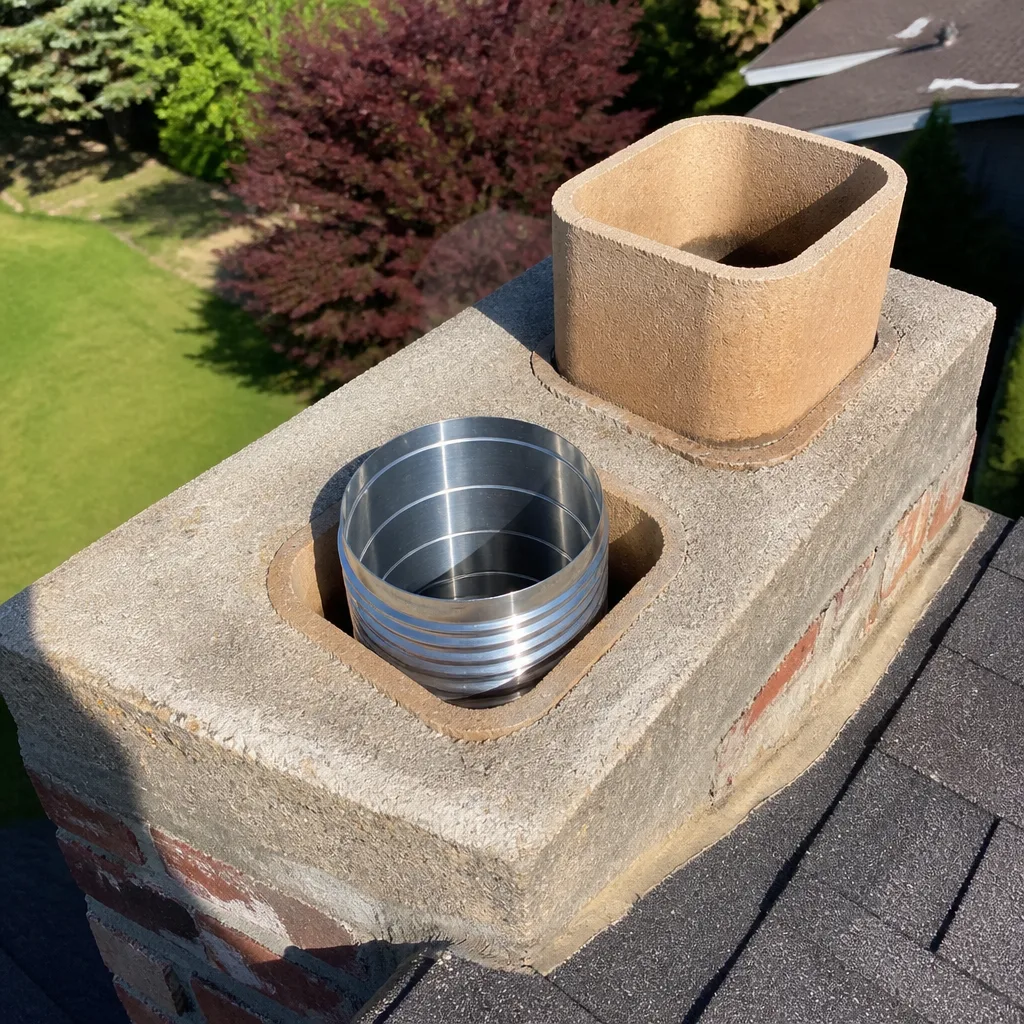 Flue relining
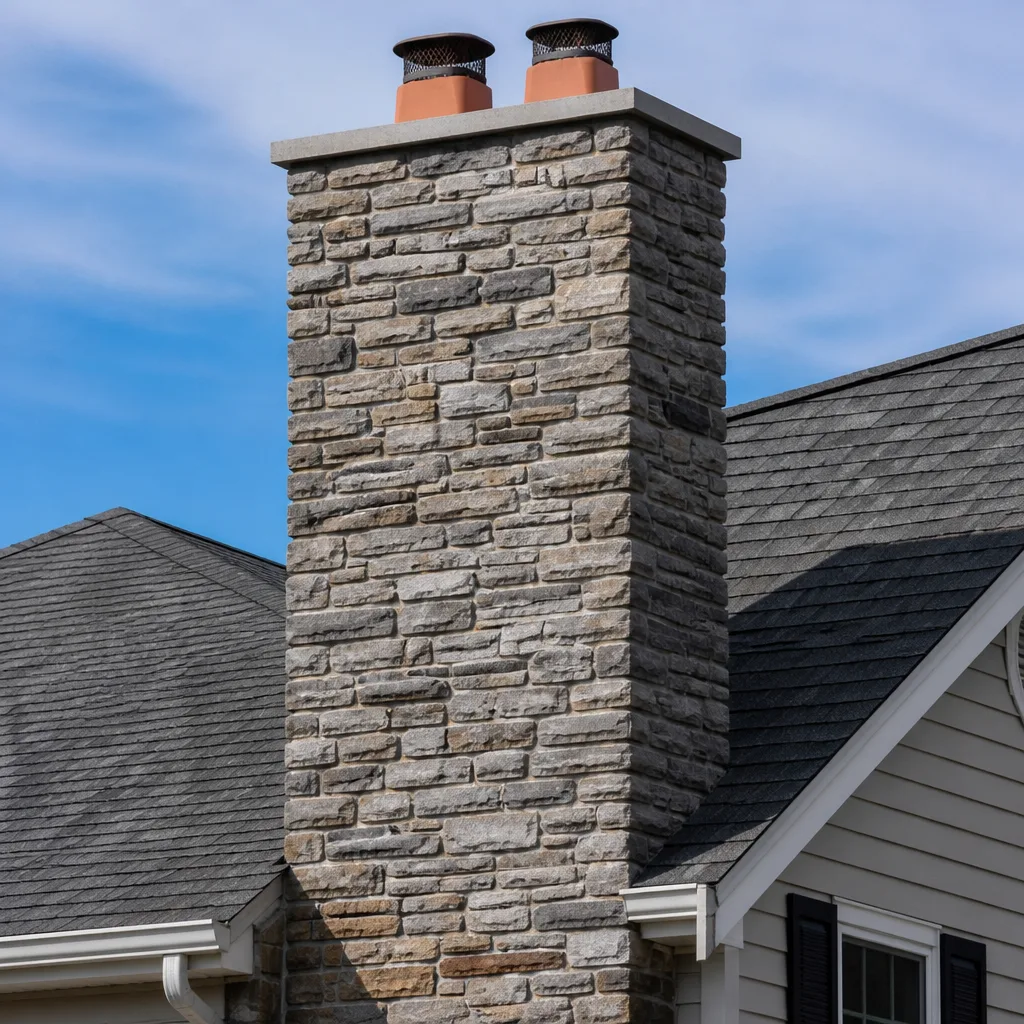 Masonry repair
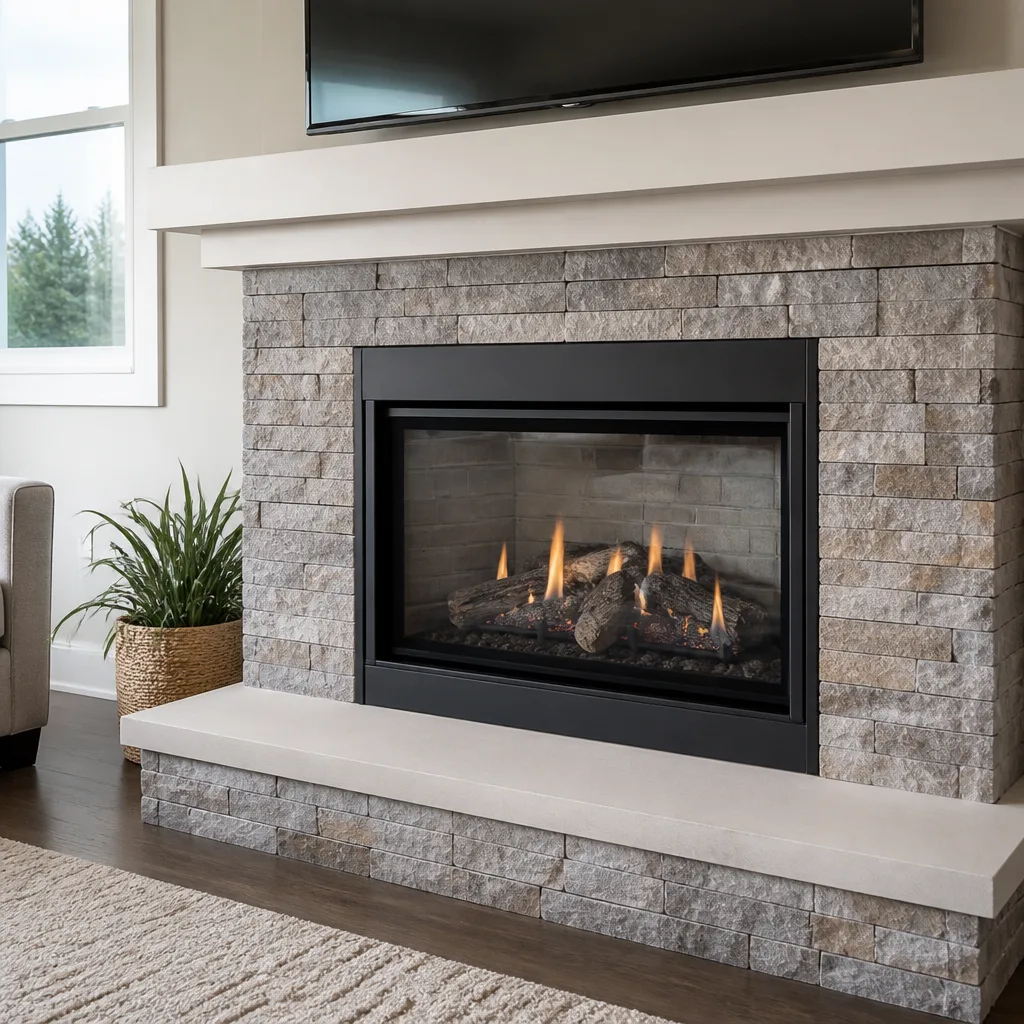 Gas fireplace service
Level 1 sweep and inspection to the NFPA 211 annual standard - flue, crown, cap, and flashing checked and photographed
Chimney sweep logs do not sweep chimneys. They loosen some creosote - which then falls where a brush and vacuum still have to collect it.
Chimney Cleaning Warning Signs: A Tustin Homeowner’s Reference Guide
A strong smoke smell in the room on a windy afternoon usually isn’t a draft problem. More often it points to a cap or top-plate failure: the Santa Ana winds press down on the house, and a compromised cap lets that pressure drive smoke backward through the flue. A damper adjustment won’t fix it. That gap between what a symptom looks like and what it actually means is where most chimney problems in Tustin get missed, because homeowners are reading the signs against the wrong baseline. Normal fireplace behavior, seasonal smell, a little rust, a cap that’s seen better days: these get filed as no big deal until something fails. This guide maps each smell, stain, and draft event to the cause behind it, so you can describe what you’re seeing accurately to a sweep and know when to act.
Quick Answer
The main chimney cleaning warning signs are three: smells (sharp creosote, musty moisture, or animal musk, each pointing to a different failure), visual cues inside the firebox (rust streaks, white chalky deposits on the brick walls, black glaze on the damper plate), and draft reversal on windy days that a smoke pencil confirms. Exterior signs like spalling brick, receding mortar, cracked crown, and rust stains below the cap matter just as much. Identifying which category a symptom falls into tells you whether to stop using the fireplace now or book a non-urgent inspection.
Styles & brands we work with
- Sweep & inspection
- Caps & crowns
- Flue relining
- Masonry repair
- Gas fireplace service
Table of Contents
- The Smell Taxonomy: What Three Different Odors Actually Tell You
- Visual Signs Inside the Firebox: Rust, Efflorescence, and Damper Glaze
- Draft Reversal Events: Pressure Anomaly or Chronic Flue Problem?
- Exterior Warning Signs Tustin Homeowners Walk Right Past
- Why Creosote Buildup Is the Warning Sign Behind Most Warning Signs
- When to Stop Using the Fireplace Immediately vs. When to Schedule an Inspection
- What Happens During a Professional Chimney Inspection
- Why Tustin’s Climate and Housing Stock Amplify Certain Symptoms
The Smell Taxonomy: What Three Different Odors Actually Tell You
Smell is the most underrated diagnostic tool a homeowner has, but only if you can tell the three common odors apart. A general “something smells off” gets you a general inspection. A specific description gets you a targeted diagnosis, and often a cheaper fix. Based on what we encounter on Tustin service calls, the smell breaks down into three families.
- Creosote odor is sharp, acrid, and wood-smoke-heavy, even when the fireplace is cold. It tends to get stronger in warm weather, which is why homeowners here notice it during a hot Tustin afternoon more than a cool one. This smell points to unburned and condensed combustion deposits inside the flue: creosote accumulation. It also increases fire risk and marks the flue for an actual chimney sweep rather than a deodorizing trick.
- Moisture-and-mold odor is musty and basement-like, without the sharpness of creosote. That points to water inside the system, most often getting in through a failed cap, a cracked crown, or a compromised top plate. The moisture feeds biological growth and starts degrading the flue liner. A mold smell in a dry Tustin firebox is nearly always a water intrusion signature.
- Animal intrusion odor is musky and distinctly organic, sometimes with scratching or droppings. Birds, squirrels, and occasionally raccoons find uncapped chimneys attractive; a properly fitted cap from a maker like Famco or Gelco closes off that entry point. Constant animal presence means the cap is either missing or damaged.
If you can name the smell to your sweep in advance, you’ll get a faster, more accurate visit. An acrid smell sets up a flue cleaning. A musty smell sets up a top-of-chimney inspection and likely a cap or crown replacement. An animal smell means clearing the obstruction and installing a proper cap so it doesn’t repeat.
Visual Signs Inside the Firebox: Rust, Efflorescence, and Damper Glaze
Look inside the firebox with a flashlight and you’ll see the chimney’s early warning system. Three specific visual signs matter more than the rest, and each maps to a different structural cause. Here’s what to look for and what each one means.
- Rust streaking on the firebox walls or the metal components. Rust inside a firebox is nearly always water-related. It points to moisture getting past the top of the chimney or the damper assembly and dripping down. In Tustin, where rain is seasonal but intense when it comes, a failed crown or cap is the usual source. Rust is the visible evidence that water has already moved into the system.
- White efflorescence on the firebox brick. Efflorescence is the chalky white deposit left behind when water migrates through masonry and evaporates at the surface, pulling dissolved salts with it. When you see it inside the firebox, moisture has already traveled through the brick and mortar. Efflorescence is a sign the chimney’s interior masonry has been wet for a while, not a one-time splash.
- Black glazing on the damper plate and firebox walls. Heavy, shiny, tar-like black deposits mean creosote has gone past the powdery stage into a glazed, dense form. This is the stage that requires a professional sweep because it’s difficult to remove and increases fire risk. Black glaze is the specific visual evidence we most often see when homeowners report a fireplace that “seems fine but smells a little.”
A sweep using proper hand tools and the right cleaning methods clears ordinary creosote. Glazed, baked-on deposits may need a specialty chemical treatment before cleaning. Either way, black glaze is a reason to book, not a reason to panic. Worth noting: rust and efflorescence indicate moisture damage, which is a structural matter best resolved through chimney repair rather than cleaning alone.
Draft Reversal Events: Pressure Anomaly or Chronic Flue Problem?
Draft reversal – the fireplace pulling smoke down into the room instead of up the flue – is the sign homeowners most often misread. A single event on a windy day is very often a pressure anomaly with a clear, specific cause. Repeated events are a chronic flue sizing, blockage, or top-of-chimney problem. The difference matters because the fix is entirely different.
The simplest way to tell them apart is the smoke pencil test. Hold a lit smoke pencil (or a stick of incense) near the open damper or the firebox opening while the fireplace is cold. Watch which way the smoke moves.
- Steady upward flow. Draft is normal. Any past smoke event was likely a one-time pressure event, often caused by extreme Santa Ana winds in Tustin pushing down on the chimney from above.
- Neutral or drifting sideways. Draft is weak. The flue may be undersized, restricted, or cold. Book a technician to check flue sizing and look for blockages like creosote buildup or nests.
- Quick downward or backward pull. Draft is reversed. Stop using the fireplace and get a technician to examine the cap, the flue, and the top plate before the next fire. This is the smoke pencil confirming a real problem.
The Santa Ana wind pattern is why so many pressure anomalies happen specifically in Tustin: the wind pushes down on the top of the chimney, and if the cap is even slightly compromised or the wrong type, the pressure beats the draft. A properly installed cap from a maker like Gelco or Olympia Chimney creates a controlled outlet that resists that. If your events cluster on windy days only, the cause is almost certainly at the top of the chimney. If they happen on calm days too, the flue itself is the problem.
Exterior Warning Signs Tustin Homeowners Walk Right Past
The most actionable warning signs live on the outside of the chimney, and they’re the easiest to skip because nobody’s looking up at the roofline during the walk from the driveway. Every homeowner in Tustin has walked past four of these things this year without noticing. Use this checklist on your own chimney.
- Spalling brick faces. A brick is spalling when its front face is flaking, peeling, or popping off. It’s caused by water getting into the brick body and working off the surface as it dries and cycles. Spalling brick on a chimney is a structural repair signal, not a cosmetic one.
- Mortar joint recession. When the mortar lines between bricks are visibly sunken or hollowing out, water has been working on the joints for a while. Recession this deep usually means moisture has been getting in for more than a single rainy season. Repointing with proper mortar restores both appearance and function.
- Crown cracking. The crown is the slope of concrete or masonry at the top that sheds water away from the flue. Any crack wider than a hairline means water is getting into the chimney’s core. This is the single most common source of the moisture problems that show up as rust, efflorescence, and musty smells below.
- Rust staining below the cap. Rust running down the brick from just beneath the cap is evidence that the cap itself (or the fasteners) has failed. That’s a metal replacement, and it’s usually a same-visit fix rather than a return trip.
Chimney cap and crown replacement together address the two most common points of water intrusion into any chimney. In our experience, addressing them early prevents the more expensive repairs (relining, masonry rebuilding) that come later. If you spot any of these on your Tustin home, photograph them and schedule an inspection. Cap and crown work done properly, with named materials rather than generic hardware-store replacements, outlasts the shortcut version.
Why Creosote Buildup Is the Warning Sign Behind Most Warning Signs
Many of the symptoms already covered trace back to a single underlying cause: creosote. This is the residue left behind when wood burns incompletely and the byproducts condense on the inside of the flue. It builds in three stages, each one progressively worse for both safety and cleaning.
- Stage 1: soot and flaky deposits. Loose and easily removed with a brush. This is normal buildup between cleanings.
- Stage 2: dense, crusty deposits. Harder to remove and begins restricting the flue. Cleaning removes it, but it signals the fireplace is running hot or the wood is burning wet.
- Stage 3: glazed, tar-like deposits. The damper glaze covered earlier. The most serious stage and the one that raises fire risk inside the flue.
Creosote at any stage is a reason to sweep. At stage 3, it’s a reason to sweep and to look at whether the flue liner has been compromised by the accumulated heat and pressure. The two most useful habits for any Tustin homeowner are burning well-seasoned wood (not damp wood) and sweeping regularly based on how much the fireplace gets used. A quick visual glance inside the flue at each sweep tells the technician whether the flue is drifting toward stage 2 or 3 growth.
Whatever stage the flue is at, a professional sweep has the tools to clear it. If the liner itself has degraded because of heat exposure, restoration may be the right call. That’s where the ability to specify a liner or a resurfacing system matters, and where a generalist is going to hand off to a subcontractor.
When to Stop Using the Fireplace Immediately vs. When to Schedule an Inspection
Not every warning sign means “stop now” – but a few do. Use this decision framework to sort a warning sign into one of two categories.
Stop using the fireplace immediately and book a technician:
- Sustained draft reversal that recurs on calm days, not just windy ones.
- Visible glazed creosote (stage 3) on the damper or firebox walls.
- Rust streaks or efflorescence inside the firebox, indicating active water intrusion into the masonry.
- A musty, moldy smell coming from the firebox when the fireplace is cold.
- Any sign the flue is compromised, such as flaking or cracking visible inside the top of the chimney.
Stop burning and book a non-urgent inspection:
- Sharp creosote odor between fires with no visible glazing.
- One-time smoke spill on a windy day that doesn’t repeat.
- Exterior signs like spalling brick, mortar recession, or a cracked crown on an otherwise dry chimney.
- A single rust stain below a cap that’s clearly aged.
- Animal smell that stops once the chimney is cleared.
Carbon monoxide risk is the reason to be decisive on any sign of draft failure, flue compromise, or blockage. A chimney that can’t exhaust correctly can back carbon monoxide into the home; that’s a safety threshold, not an aesthetic one. Similarly, glazed creosote is a known fire risk inside the flue. Neither of these requires panic, but both require stopping until a technician clears them. Call (877) 770-1857. We answer 24/7. Fast dispatch from 7am to 7pm, Sunday through Friday.
What Happens During a Professional Chimney Inspection
If you haven’t had a chimney inspected, here’s the sequence most inspections follow. Knowing it in advance helps you interpret what the technician reports, and it tells you when a recommendation is verified versus assumed.
- Exterior review. The technician starts at the roof, checking the cap, crown, top plate, brick faces, and mortar. Photographs along the way.
- Interior review. Down below, the firebox, damper, smoke chamber, and accessible flue are examined for creosote stage, water damage, and flue liner condition.
- Camera inspection if needed. A camera run inside the flue gives direct evidence of the liner’s condition. Any repair recommendation should be tied to what that camera sees, not just to a general “this is old” judgment.
- Draft verification. A smoke pencil or similar tool confirms whether the draft is functional at the firebox opening.
- Report and recommendation. A written record with photos, so you can see what the technician saw. This is what we mean when we say nothing is recommended without camera evidence you can see for yourself.
One inspection determines what’s needed for the sweep, the inspection, and any repair found. That’s the argument for one company doing all three – a referral chain means starting over on explaining your home. If the flue needs liner restoration, HeatShield is a recognized ceramic resurfacing method that restores many flues without a full liner replacement. If full relining is necessary, a DuraFlex liner system is the industry-standard specification. Either way, the material should be named in the recommendation.
We also look at fireplace doors, dampers, and firebox components while we’re on site. Any issue with those falls under fireplace repair. Small repairs done during the same visit usually cost less than scheduling them as a separate trip.
Why Tustin’s Climate and Housing Stock Amplify Certain Symptoms
Tustin’s climate is mild by any measure, but “mild” doesn’t mean “irrelevant to a chimney.” The specific pattern here is a long dry season, a wetter winter window, and the Santa Ana wind events that periodically push down on rooflines with real force. Each of those interacts with different warning signs.
The Santa Ana wind pattern is why draft reversal events show up as a distinctive problem in Tustin homes. Wind pressing down on a chimney with a compromised cap produces a pressure anomaly that looks exactly like a chronic draft problem on the day it happens. The fix is often a proper cap, not a flue rebuild.
The dry-wet-dry cycle of the winter rainy season is what drives crown cracking and masonry recession. Brick and mortar expand and contract with moisture and temperature; over years, that cycling opens up hairline cracks and starts the process that produces efflorescence and spalling. Water that gets in during the wet season leaves behind the visible evidence that shows in the dry season.
Tustin’s housing stock ranges from mid-century homes with original fireplace masonry to newer builds where the chimney is largely framed with a masonry veneer. Both styles need the same inspection discipline, but they age differently. Older chimneys typically see more crown, mortar, and spalling issues; newer chimneys usually show liner and cap problems earlier because the top-of-chimney components take the weather while the rest of the assembly stays protected. Matching the warning-sign pattern to the chimney’s age and construction type is part of how a technician reads what’s happening.
None of this is a reason to expect problems. It’s why the same set of warning signs means something specific in Tustin, and why a chimney specialist who sees these patterns regularly can read them faster than a contractor who handles ten trades.
Common Mistakes to Avoid
- Spraying air freshener over a creosote smell. The smell is the warning. Masking it moves the warning out of view without removing the underlying buildup or reducing fire risk.
- Assuming a one-time smoke spill means the chimney is fine. It’s fine until it happens again. One smoke pencil test after a spill event tells you whether the draft is truly functioning or was just a Santa Ana anomaly.
- Calling a handyman for the sweep and a separate contractor for the repair. Each handoff means starting over on explaining the history. Chimney work done by a single provider keeps the sweep record, inspection photos, and repair recommendation in one place.
- Buying a hardware-store cap for a Tustin house. Caps that don’t match the flue and top-plate dimensions leave the same opening as a missing cap. Caps from makers like Famco and Gelco fit the actual chimney and hold up against wind.
- Treating efflorescence or rust on the firebox walls as “just a stain.” Both are visible evidence of active water migration through the masonry. Stains don’t resolve; they progress, and the repair cost grows with them.
- Booking a sweep with no inspection included. A sweep that removes creosote but never looks at the cap, crown, and liner can miss the source of the smell entirely.
- Waiting for the smell to “air out” after an animal intrusion. Animals return to the same uncapped chimney repeatedly. Clearing the obstruction without capping nearly guarantees a repeat.
See the difference
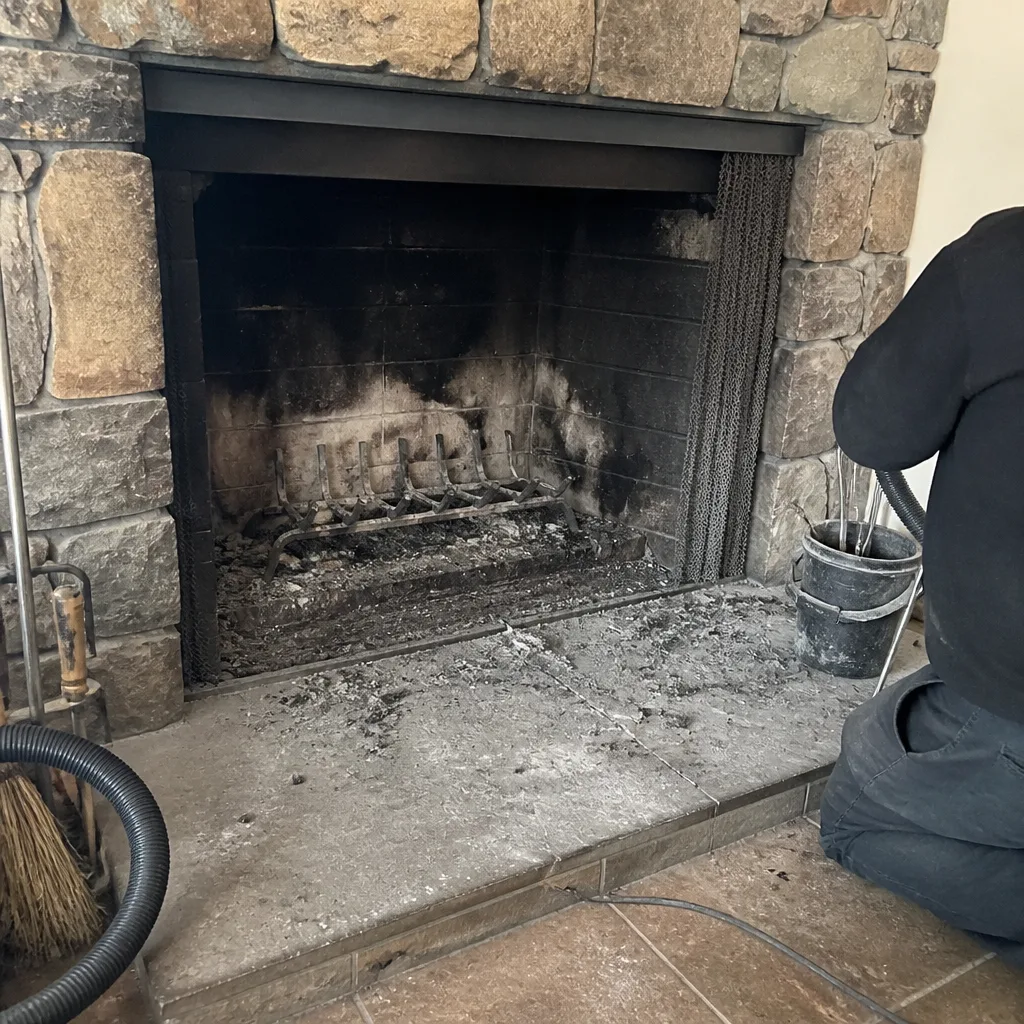 Before
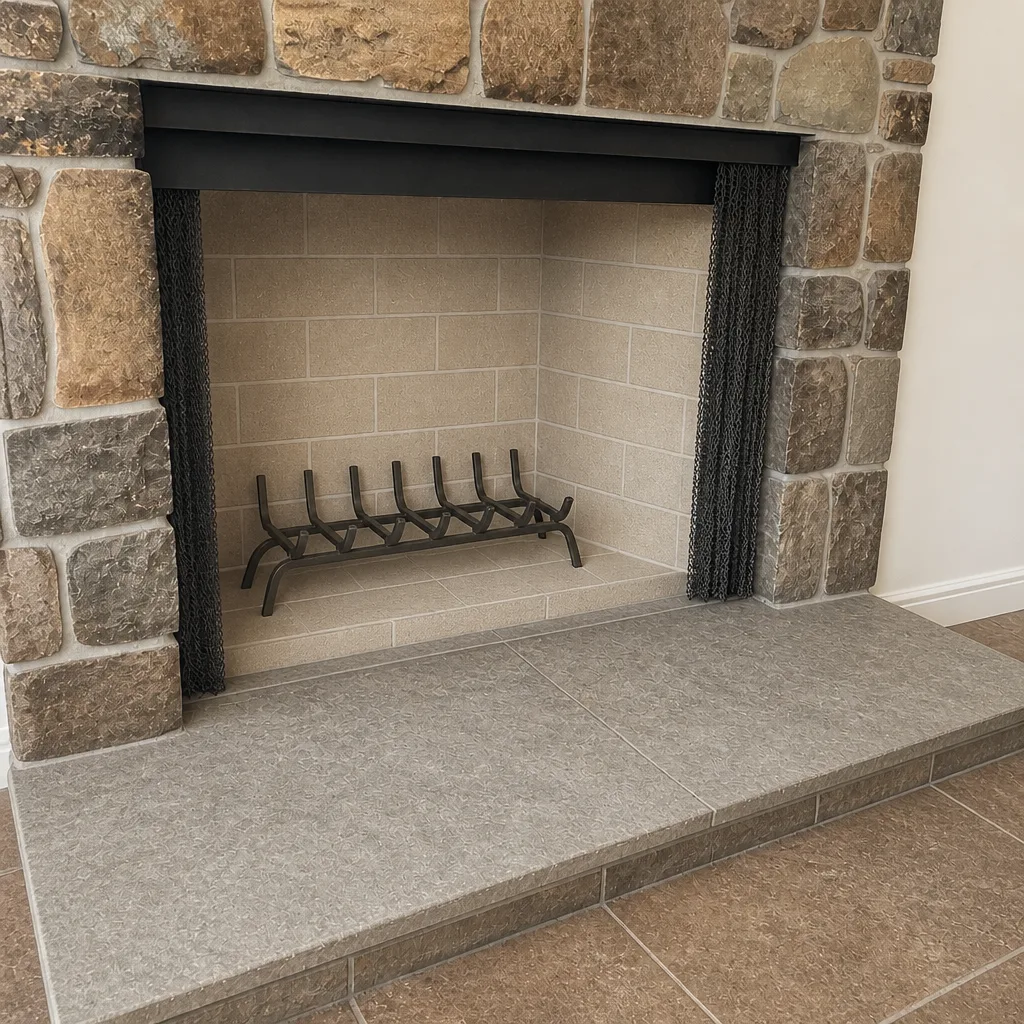 After
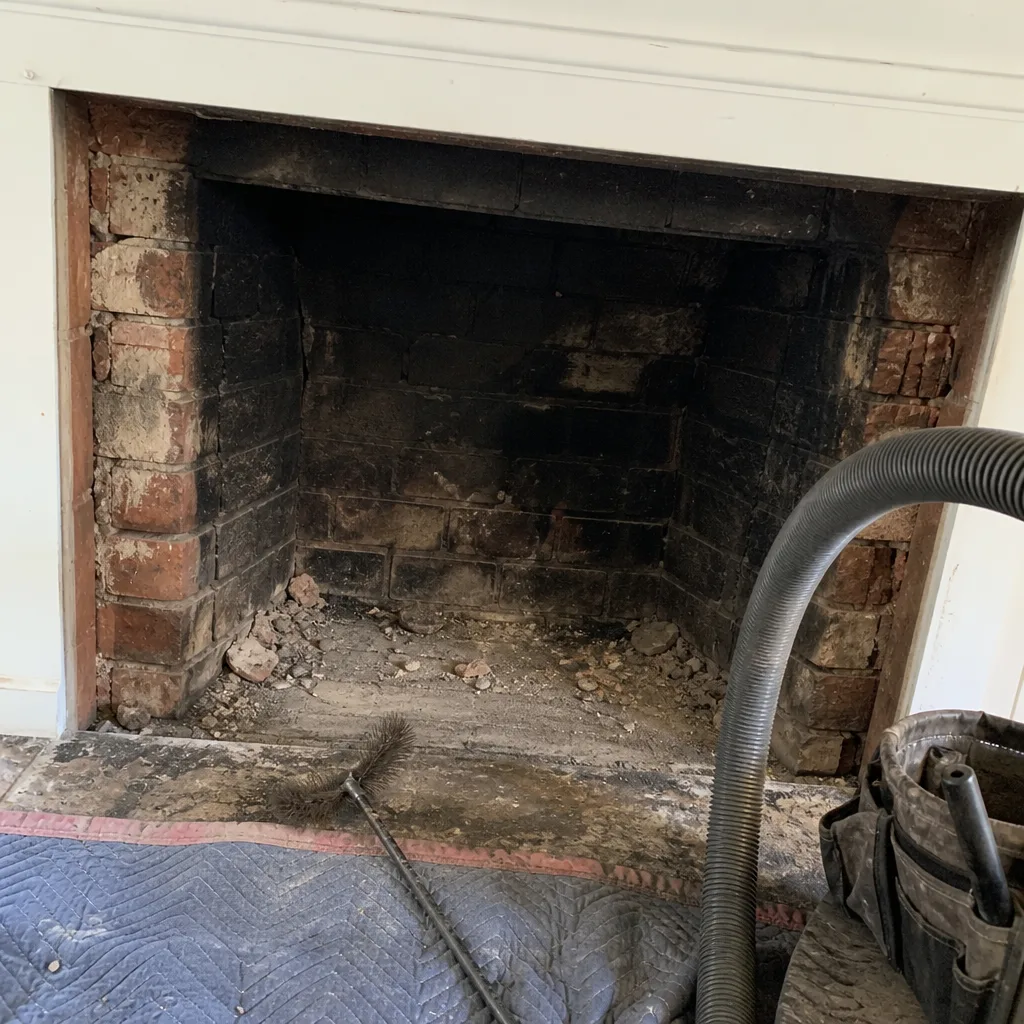
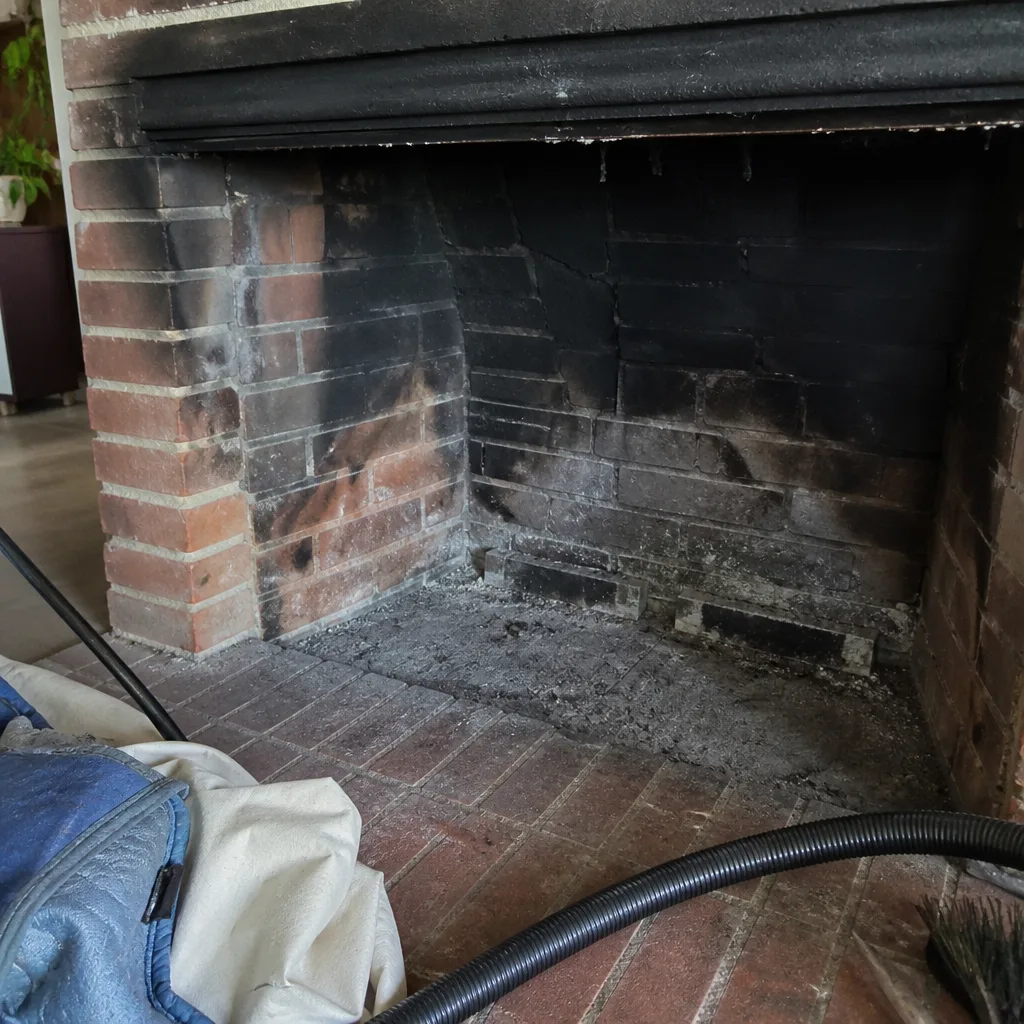 Before
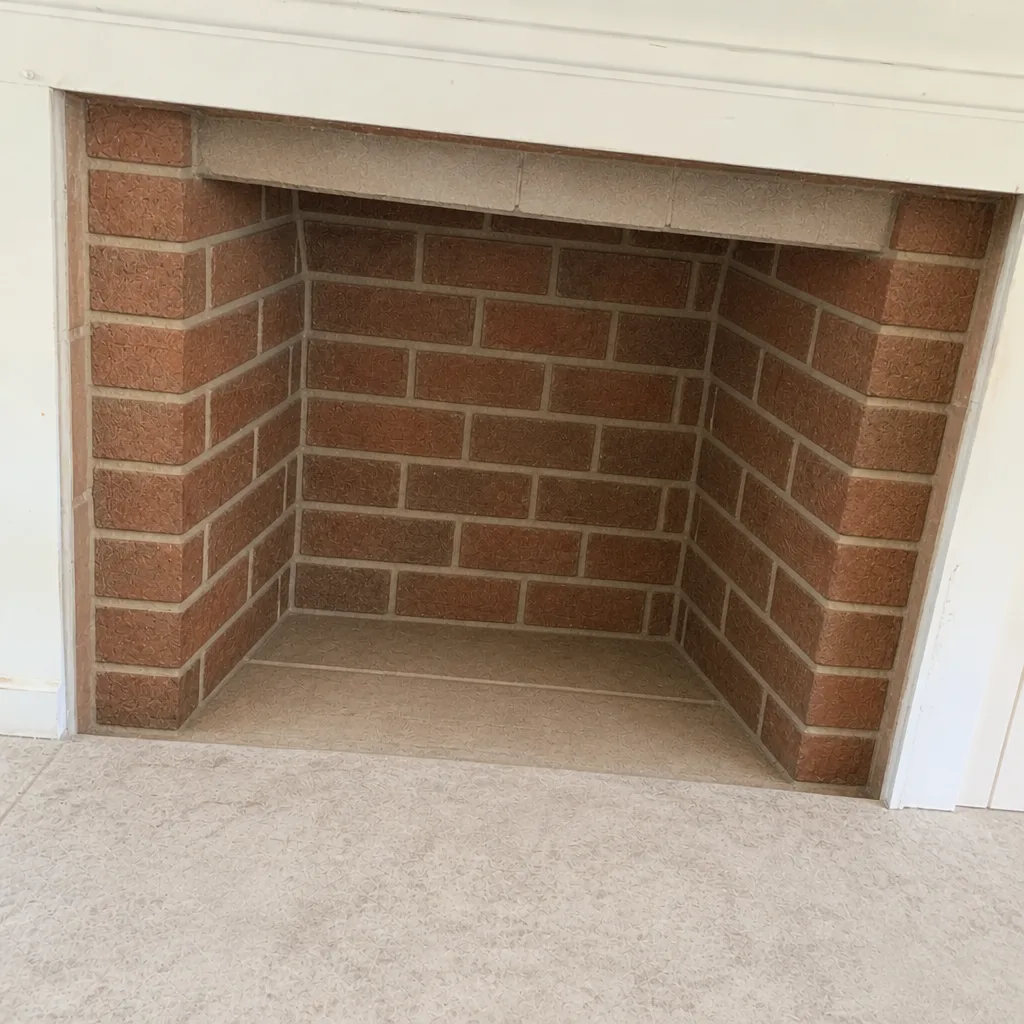
 After
 Before
 After
When to Call a Professional
Call a professional when any of the following is true: the draft reversal repeats on calm days, glazed creosote is visible inside the firebox, rust or efflorescence is present inside the firebox, any musty smell is coming from the firebox, the crown is visibly cracked, mortar joints on the chimney are recessed or hollowing, or the cap has failed or has rust staining beneath it. Also call if you haven’t had the chimney inspected and the fireplace is used regularly, even if no signs are visible – a documented inspection is the baseline every future comparison depends on. Tustin Chimney Sweep offers free estimates in Tustin. Call (877) 770-1857. We answer 24/7. Fast dispatch from 7am to 7pm, Sunday through Friday.
Frequently Asked Questions
The three most common warning signs are smells (sharp creosote, musty moisture, or animal musk), visual issues inside the firebox (rust streaks, white efflorescence, glaze on the damper), and exterior signs like spalling brick, receding mortar, or a cracked crown. Most Tustin homes we see show at least one of these between cleanings. Ignoring any of them usually leads to a bigger repair later. Call (877) 770-1857 for an exact quote – estimates are free.
A sharp, acrid smoke smell usually means creosote buildup in the flue. A musty smell means moisture is coming in through a failed cap or crown. A musky smell means an animal has found its way in. Each points to a different cause and a different fix. The sweep needs to know which one you’re describing.
The usual answer is once per year, or based on how much the fireplace is used. A fireplace used several times a week through Tustin’s mild winter typically warrants a clean inspection each season; a fireplace used a handful of times a year may stretch further. Book based on what you see and smell, not just the calendar. Call (877) 770-1857 – estimates are free.
Draft reversal is serious if it repeats on calm days, and usually a one-time pressure event if it only happens on windy days. The difference is a smoke pencil test. Recurring events on calm days mean the flue is undersized, restricted, or blocked and needs professional attention before the next fire.
A chimney sweep in Tustin typically runs in the range of a standard service call for the trade, and the written estimate sets the final price before any work begins. Costs rise when creosote is at the glazed stage or when a top-of-chimney issue is found during the inspection. The estimate is free. Call (877) 770-1857 for an exact quote.
Not usually. Creosote smell is most often resolved by cleaning, not lining. A liner replacement or restoration is only warranted when the flue liner itself is compromised, and that should be confirmed on camera before any work is booked. If the liner is intact, restoration with HeatShield is often an option that avoids full replacement. Call (877) 770-1857 for an exact quote – estimates are free.
The Bottom Line
Chimney warning signs in Tustin break down into three families: smells, interior visuals, and exterior masonry signals. Each family maps to a specific cause, and each specific cause has a specific fix. The trap homeowners fall into isn’t ignoring the signs; it’s misreading them as normal. Smoke spill on a windy day is a pressure event that points to the cap. A musty firebox smell is moisture getting through the crown. Glazed damper buildup is stage 3 creosote. Efflorescence on the firebox walls is water in the brick. Sort what you’re seeing into one of these buckets, then decide urgent vs. scheduled. When you’re ready, get the inspection documented so any recommendation comes from camera evidence rather than guesswork. The right material for the job deserves to be named: DuraFlex for liner systems, HeatShield for ceramic flue resurfacing, and a properly sized cap from a maker who fits the chimney. One inspection, one company, no subcontractors. That’s the specialist model the warning signs deserve.
If any of the signs in this guide look familiar on your Tustin chimney, call Tustin Chimney Sweep at (877) 770-1857 for a free estimate. We answer 24/7. Fast dispatch from 7am to 7pm, Sunday through Friday. Our technicians have up to 10 years of experience and can confirm what’s going on with a camera inspection and a written report before any work is scheduled.
Written by the team at Tustin Chimney Sweep.