
Last updated November 25, 2026
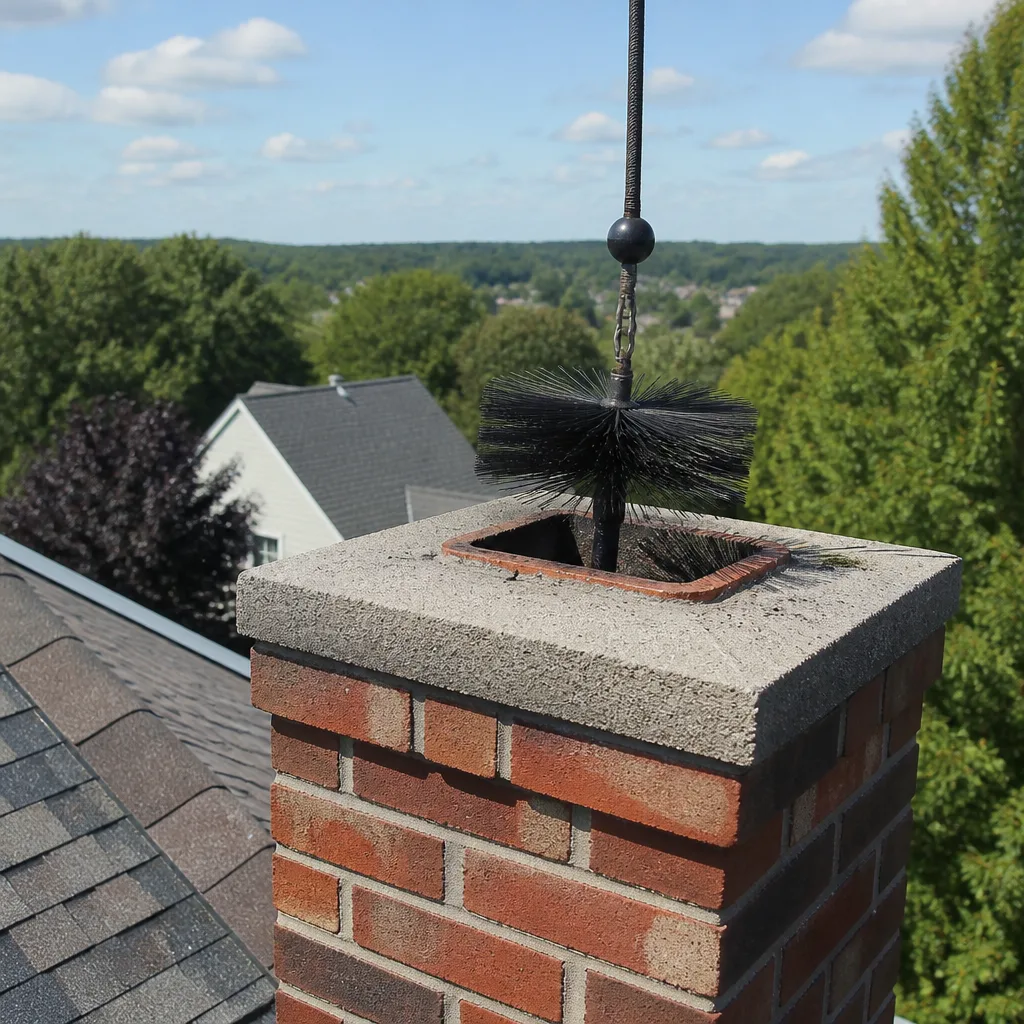 Sweep & inspection
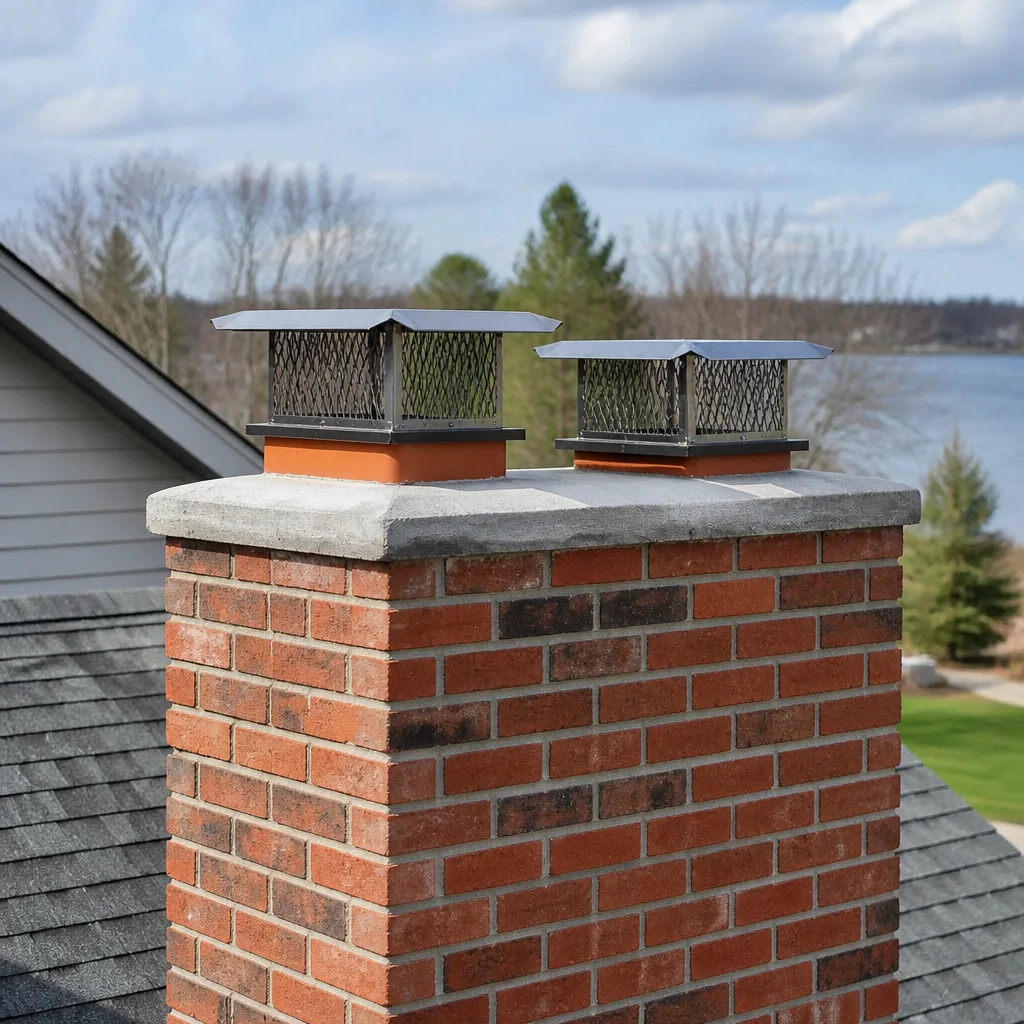 Caps & crowns
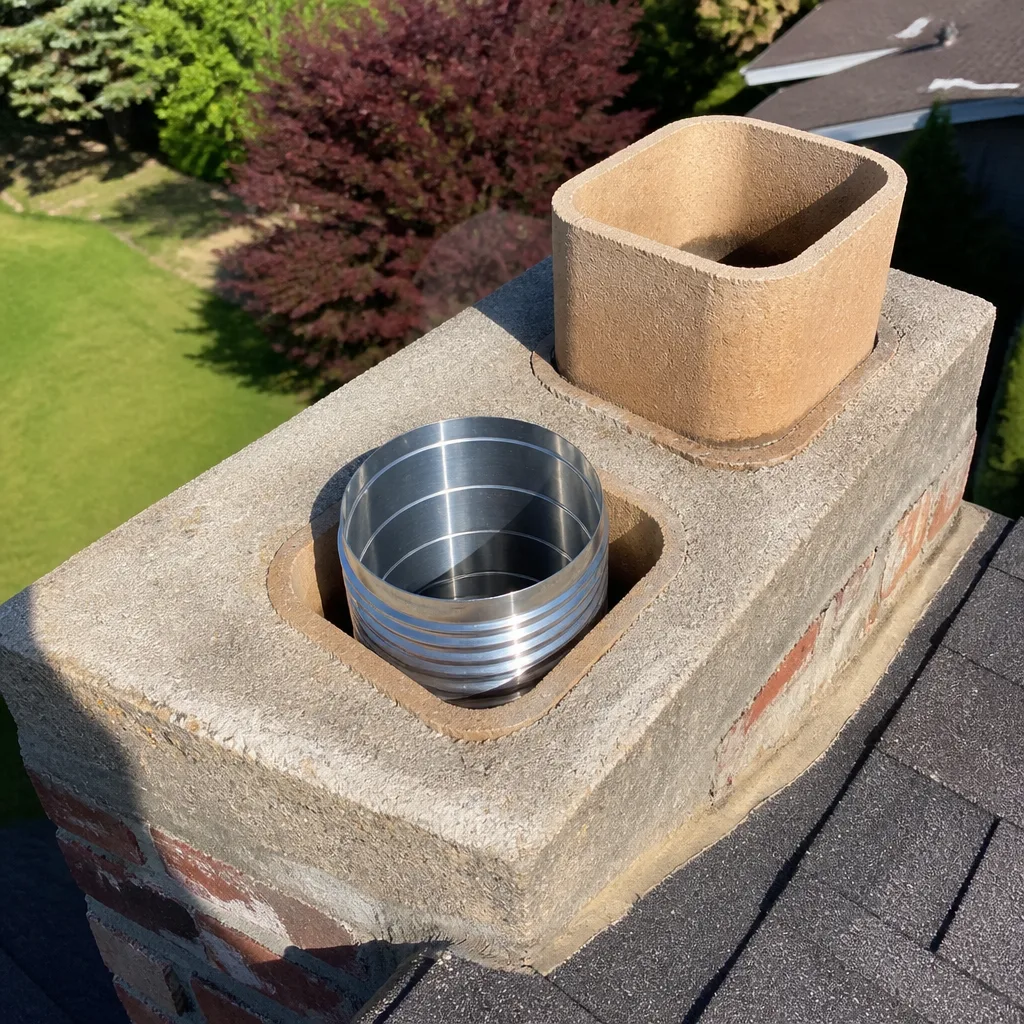 Flue relining
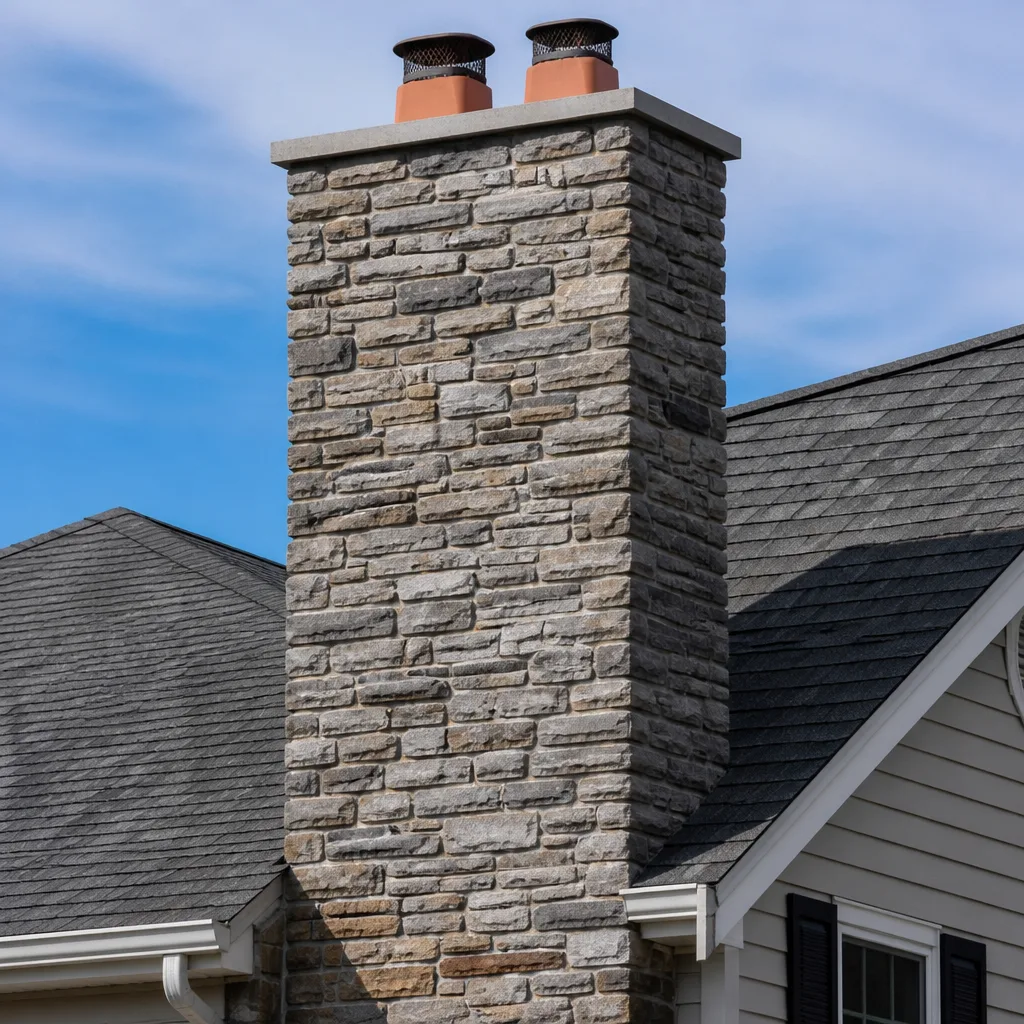 Masonry repair
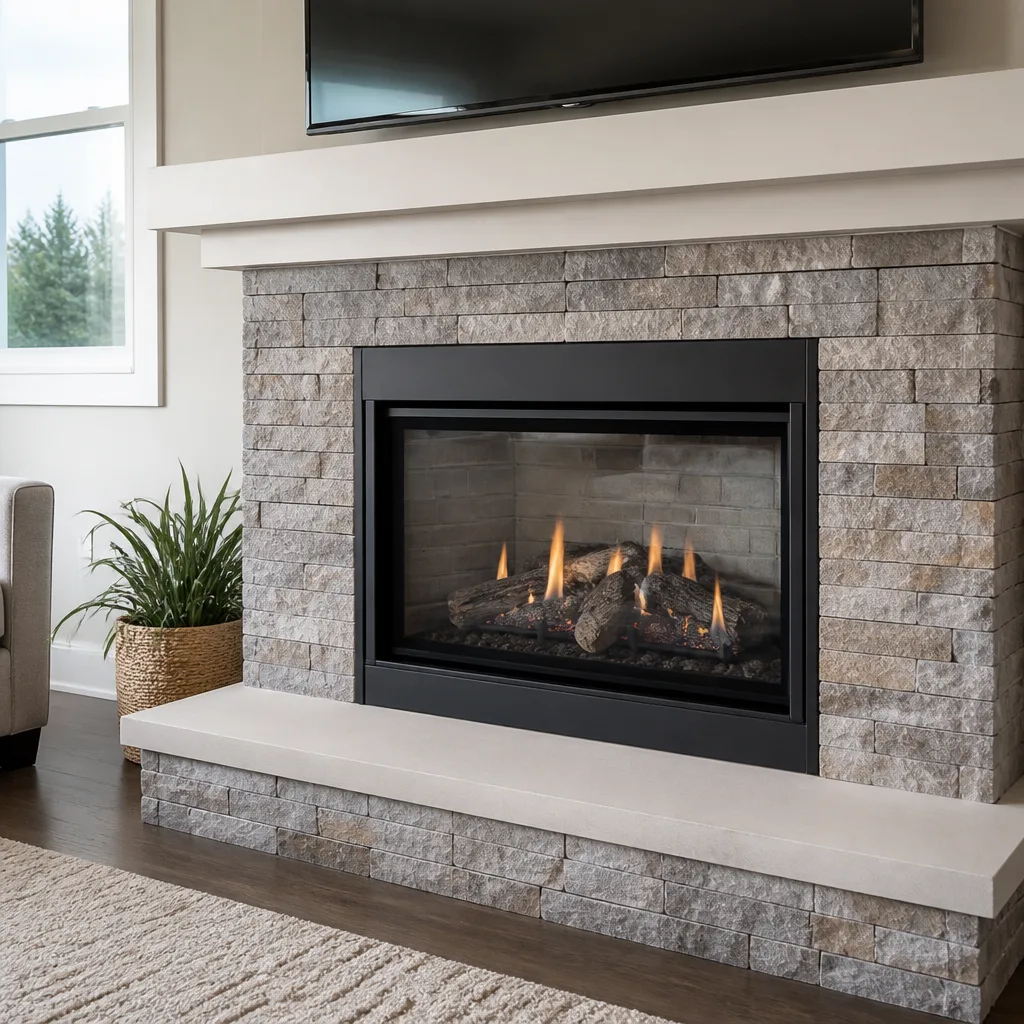 Gas fireplace service
Level 1 sweep and inspection to the NFPA 211 annual standard - flue, crown, cap, and flashing checked and photographed
Chimney sweep logs do not sweep chimneys. They loosen some creosote - which then falls where a brush and vacuum still have to collect it.
Chimney Cleaning Permits, Codes & Inspections in Tustin, CA: What You Need to Know
Here’s the part most homeowners get backwards: having your chimney swept in Tustin almost never requires a permit. But the repair that sweep uncovers usually does. A crack in the flue liner, a loose crown, a rusted damper, a firebox that’s spalled and crumbling – the moment the work moves from cleaning to building, California code and City of Tustin permitting rules kick in. Skip that step and you can create a disclosure headache years later, when a buyer’s inspector climbs onto your Tustin roof and asks who did the liner work. This guide walks you through where the line sits between routine maintenance and permitted repair, what the inspection levels mean, and how to keep a clean paper trail.
Quick Answer
Routine chimney cleaning in Tustin is maintenance and does not require a permit. Repairs to the flue liner, firebox, chimney crown, or structure generally do fall under California Residential Code Section R1003 – which adopts NFPA 211 – and are typically permitted through the City of Tustin Building Division. A Level 2 or Level 3 inspection finding is a code-compliance signal, not just a suggestion. When in doubt, ask the contractor to name the code section before anyone starts work.
Styles & brands we work with
- Sweep & inspection
- Caps & crowns
- Flue relining
- Masonry repair
- Gas fireplace service
Table of Contents
- Maintenance vs. Repair: Where the Permit Line Actually Sits
- What California Residential Code Section R1003 Requires
- NFPA 211 Inspection Levels and What They Trigger
- SCAQMD Rule 445 and Wood-Burning in Tustin
- Insurance, Escrow, and Unpermitted Chimney Work
- What to Request From Your Sweep: The Compliant Paper Trail
- How the Permit Process Works in Tustin
- Common Mistakes to Avoid
Maintenance vs. Repair: Where the Permit Line Actually Sits
This is the question that causes the most confusion, and the answer is more concrete than most homeowners expect. Maintenance keeps a system operating as designed. Repair alters or restores the system itself. The first is routine. The second is construction.
On the maintenance side of the line:
- Sweeping the flue to remove creosote, soot, and debris
- Routine inspection with a camera and visual check
- Removing an animal nest or leaf blockage
- Cleaning a glass door, gasket, or firebox interior
- Replacing a damper that operates by the manufacturer’s original design intent – depending on scope
On the repair side, where the City of Tustin Building Division generally expects a permit:
- Relining a flue, whether with a stainless system or a resurfacing system
- Reconstructing a firebox or hearth
- Rebuilding a damaged masonry crown or replacing a cap that was part of the original masonry construction
- Structural changes to the chimney chase or breast
- Any repair related to a chimney fire or seismic damage
The words that matter are replace in kind versus alter. A cap swap – say, replacing a rusted Famco cap with a new one of the same type – usually sits near the maintenance end. Rebuilding the crown that cap sits on is masonry work and typically requires a permit. When we quote chimney cap and crown work in Tustin, we tell the homeowner up front which side of that line the job falls on, so there’s no surprise at the counter.
One more nuance: an HOA can add a layer on top. Some Tustin communities restrict exterior chimney and cap materials or colors, and that approval runs separately from the city permit. Check with your HOA before a cap or crown job starts.
What California Residential Code Section R1003 Requires
California Residential Code Section R1003 is the chapter that governs chimneys and vents in one- and two-family dwellings. It’s the rulebook you’ll hear referenced on any permitted chimney repair inside the state, and it adopts NFPA 211 as the underlying standard, which is where the specifics on clearance to combustibles, liner integrity, and inspection live.
In practical terms, R1003 covers:
- Liner integrity. A flue serving a solid-fuel appliance must have a continuous liner. A cracked clay tile liner that lets combustion products escape into the chimney chase is not compliant.
- Clearance to combustibles. The chimney must maintain clearance from wood framing and other combustible materials. If a remodel or a chimney fire has compromised that clearance, the repair has to restore it.
- Crown and cap. The crown needs to shed water away from the flue, and the flue needs a cap to keep out rain, animals, and debris.
- Hearth extension and firebox dimensions. The opening, hearth, and firebox must match the appliance.
When we’re called out to chimney repair in Tustin, the conversation almost always lands on the liner first. That’s the piece most often cited by inspectors, and it’s the piece where skipping a permit is most tempting – and most costly later. A licensed local professional who knows R1003 can tell you in plain terms which item triggered the finding and what the permitted scope of work needs to be. The City of Tustin Building Division is the authority that will review and sign off, so the contractor you work with should be comfortable pulling and closing permits there.
NFPA 211 Inspection Levels and What They Trigger
NFPA 211 defines three inspection levels, and each one answers a different question. Understanding them makes the permit discussion much easier.
Level 1 – Routine Annual Inspection
This is the inspection that happens with your annual sweep. It covers readily accessible portions of the chimney and venting system, the firebox, damper, and the visible flue. A Level 1 inspection confirms whether the system is safe to continue using as it has been. No permit is triggered by a Level 1 unless the inspection surfaces a defect.
Level 2 – When the System Changes
A Level 2 inspection is required whenever there is a change in the system or a triggering event. That includes:
- A home sale (buyers or their inspector ask for it)
- Adding or replacing an appliance, fuel type, or flue connection
- After a chimney fire, a strong storm, or seismic activity
- Anytime a liner replacement or flue resurfacing is being planned
Level 2 uses a video camera through the full length of the flue. This is where the paper trail gets serious. A Level 2 finding that the liner is breached is the point where code compliance becomes an obligation, not a recommendation. The repair scope has to be defined and – if it crosses into alteration or reconstruction – permitted.
Level 3 – When Access Is Required
A Level 3 inspection is diagnostic and invasive. It’s called when a Level 1 or Level 2 finding can’t be resolved without opening concealed spaces – removing a wall panel, cutting into the chase. Level 3 work almost always runs alongside a permitted repair because the wall has to be reopened to verify the fix.
In Tustin, most of the Level 2 requests we see come from two situations: a home in escrow, and a homeowner who’s ready to reline a flue and wants the finding documented first. Our technicians have up to 10 years of experience reading these reports, and we tell clients the honest answer when a finding can wait safely versus when it can’t. If it can wait, we say so.
SCAQMD Rule 445 and Wood-Burning in Tustin
Tustin falls under the jurisdiction of the South Coast Air Quality Management District, and SCAQMD Rule 445 governs wood-burning fireplaces and appliances across the district. The rule matters for two reasons: it restricts what can be installed, and it restricts when you can burn, based on air quality.
Key elements of Rule 445 for a Tustin homeowner:
- No new wood-burning fireplace or wood stove installations in new construction – the district requires cleaner alternatives.
- During a No-Burn Day (sometimes called a Spare the Air day), burning wood in a residential fireplace is prohibited unless the home has a registered exemption (for example, a sole-source-of-heat exemption).
- Existing wood-burning appliances have to comply with specific particulate emission limits to be used on a No-Burn Day.
- Gas logs and gas inserts are not restricted by the wood-burning ban the same way, which is one reason gas conversion is common in Tustin.
Why does this matter for permits and inspections? Because documentation does. If you’ve converted a wood-burning fireplace to a gas insert – a very common move in Tustin – the permit for that conversion and the inspection that verified proper venting are the record that proves the work was done correctly. If a No-Burn Day compliance question ever comes up, that file is your answer.
Practically speaking: when you’re planning fireplace work in Tustin, ask your contractor whether the scope involves any appliance or fuel-type change. If it does, verify the permit path through the City of Tustin Building Division before the work starts, and keep the sign-off documentation with your home records.
Insurance, Escrow, and Unpermitted Chimney Work
The consequence most homeowners don’t anticipate isn’t the city – it’s the insurer, and later the title company.
On the insurance side, the concern is the chimney fire claim. After a chimney fire, most insurers will want to see documentation of the cause, the extent of damage, and proof the repair was done to code. A repair performed without a permit leaves a gap in that documentation, and a claim can be denied or reduced for a repair the carrier can’t verify was done to standard. Permit records and inspection reports are the proof.
The other consequence shows up at resale. During escrow, a buyer’s inspector climbing a Tustin roof will look at a liner that was replaced without a permit and note it as a potential defect. That opens a negotiation at minimum, and a material disclosure obligation at worst. Unpermitted work has to be disclosed. A buyer, a title company, and a lender all have reasons to ask.
What to do if you’ve inherited unpermitted work:
- Hire a sweep to perform a Level 2 inspection and document what’s actually there.
- Get the finding in writing with photos and video of the full flue.
- Ask whether the work as installed meets current code – some older repairs do, some don’t.
- If it doesn’t meet code, get a quote for bringing it into compliance and, if required, permitting the corrected work.
- Keep every document. Voluntary correction now is a materially better story than a discovery at escrow.
We’ve seen enough of these conversations to know that the honest answer is often that the previous work was fine but undocumented. That’s why we produce camera inspection and photo reports as part of the job. The record matters as much as the repair.
What to Request From Your Sweep: The Compliant Paper Trail
If a future buyer, an insurer, or a city inspector asks about your chimney, three documents settle the question: what was found, what was done, and who did it. Ask for all three.
The complete paper trail includes:
- Inspection report. The finding written in plain language, with photos or video, at the correct NFPA 211 level. A sweep who can’t tell you whether your inspection was Level 1 or Level 2 is a red flag.
- Material specifications. The actual product name and model for any liner, resurfacing system, cap, or crown material installed. Not “a stainless liner” – a DuraFlex liner with the spec sheet. Not “a cap” – a Gelco or Famco cap with the model listed.
- Permit numbers if applicable. If the repair triggered a permit through the City of Tustin Building Division, the permit number and final inspection sign-off belong in your file.
- Inspection documentation from the city. The signed inspection card is the proof the permitted work was verified.
- Photo record. Before-and-after photos of the firebox, crown, cap, and full flue camera scan. Save these with the rest of your home-maintenance records.
On our own jobs, every wire-mesh cap, crown material, and liner specification goes in writing. That’s part of the reason we specify professional-grade lines by name – DuraFlex, HeatShield, Gelco, Olympia Chimney, Famco, Copperfield – because you can pull the spec sheets when the question comes up later. And a HeatShield ceramic resurfacing, used where the existing flue is sound enough to restore rather than reline, keeps a cost-saving, code-compliant option on the table that many generalists can’t offer. One company, one report, no handoff to a subcontractor with a different file.
How the Permit Process Works in Tustin
The permit process for chimney repair in Tustin follows the same path as any residential construction permit. Here’s how it typically runs:
- Confirm the scope with the contractor. Ask specifically which line items require a permit and get that in writing.
- Application and plans. The contractor submits the permit application to the City of Tustin Building Division, usually with a scope description and, for liner or structural work, the product spec sheets.
- Plan review. The city reviews for compliance with CRC R1003 and local amendments. This step can take time; plan the schedule around it.
- Permit issued. Work proceeds to the permitted scope.
- Inspections. The city performs inspections at the appropriate stages – often after liner or structural work is complete but before closing up.
- Final sign-off. The signed inspection card is your record. Keep it with the home’s paperwork.
The contractor handling the work – whether that’s fireplace repair or a full flue reline – should be comfortable pulling and closing a permit through the City of Tustin Building Division. A local pro who is state-licensed and insured as their state requires is the baseline. Ask the question directly: “Will you be pulling a permit for this scope?” A specialist answers without hesitation. If the answer is “you probably don’t need one,” that’s a signal to get a second opinion.
Common Mistakes to Avoid
- Assuming a sweep covers the paperwork. A sweep keeps your flue clean. Only a repair permit and city sign-off validate repair work. Ask up front which side of that line the job falls on.
- Letting an inspector verbally tell you the liner is cracked without documentation. A Level 2 inspection with camera evidence belongs in your file. Without it, you can’t prove anything to a buyer or insurer.
- Converting to gas without a permit. Gas insert conversions are common in Tustin, and the permit and venting inspection are the proof the job was done to code. Skip that step and you have an undocumented appliance.
- Ignoring the SCAQMD Rule 445 wood-burning ban. Burning wood on a No-Burn Day is a real violation of district rules, and documentation of your appliance type is how you handle the question if it comes up.
- Letting a generalist handle a chimney repair. The permit scope is technical and code-specific. A general contractor who occasionally touches chimneys may miss details that a chimney-only specialist catches every time.
- Skipping the HOA check. Some Tustin communities have separate rules on exterior chimney, cap, or crown materials. City permit and HOA approval are two different processes.
- Filing the paperwork away in a drawer you’ll never find. Scan every report, permit card, and photo into a folder you keep with your home documents. The day you need it will be a day you don’t have time to search.
See the difference
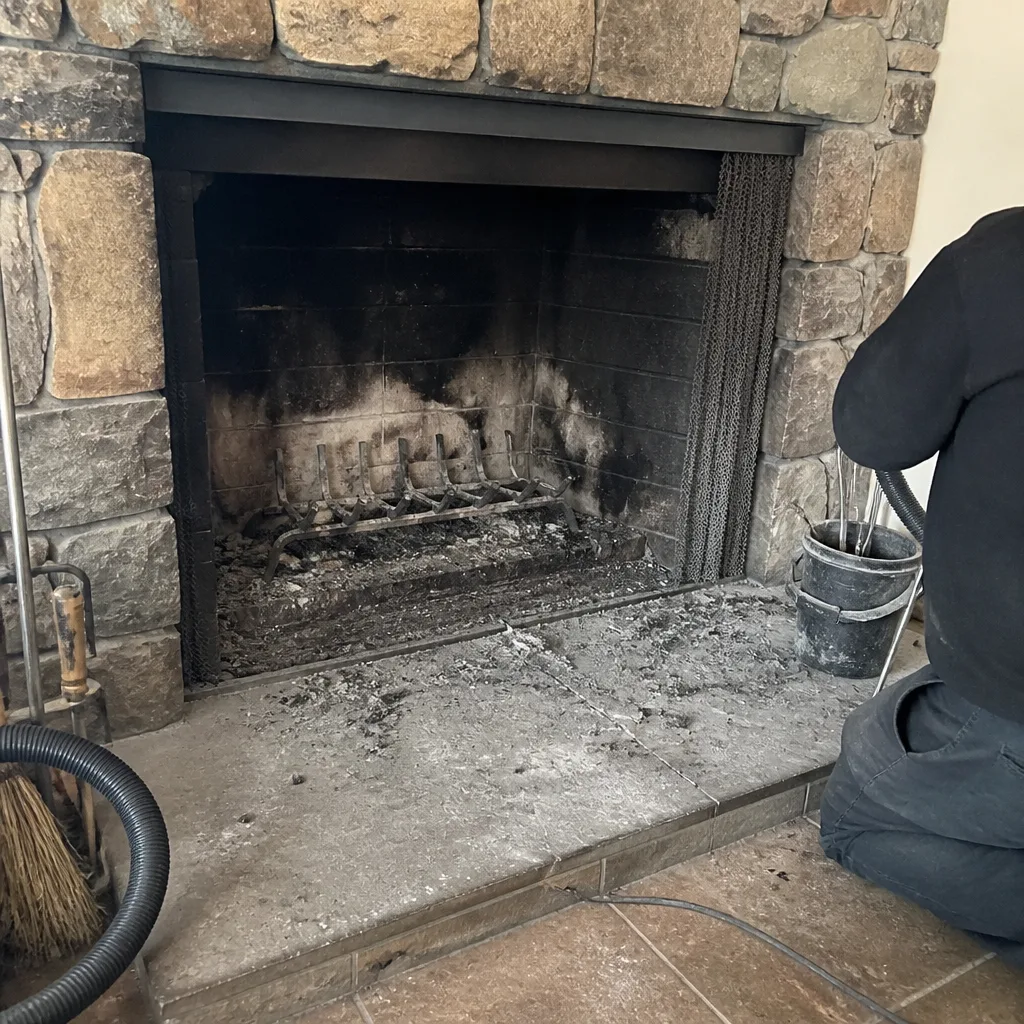 Before
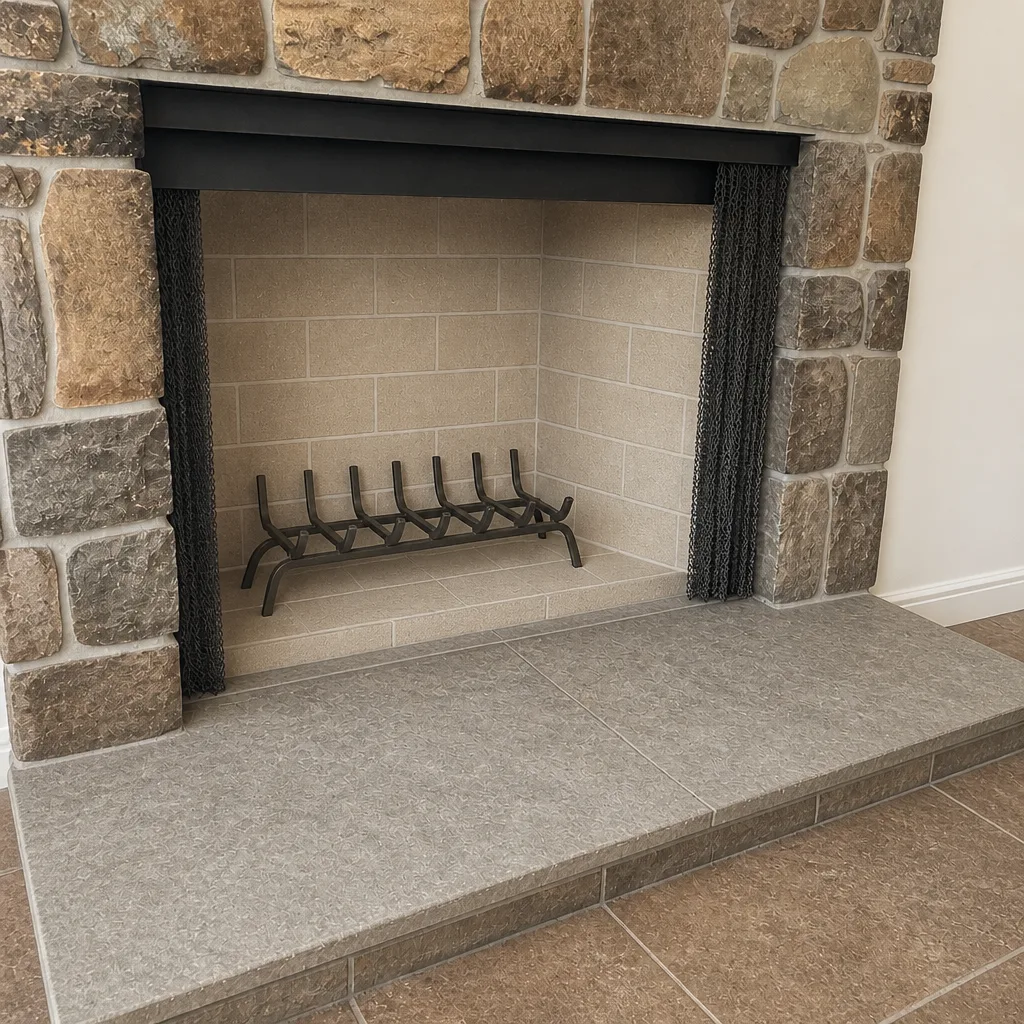 After
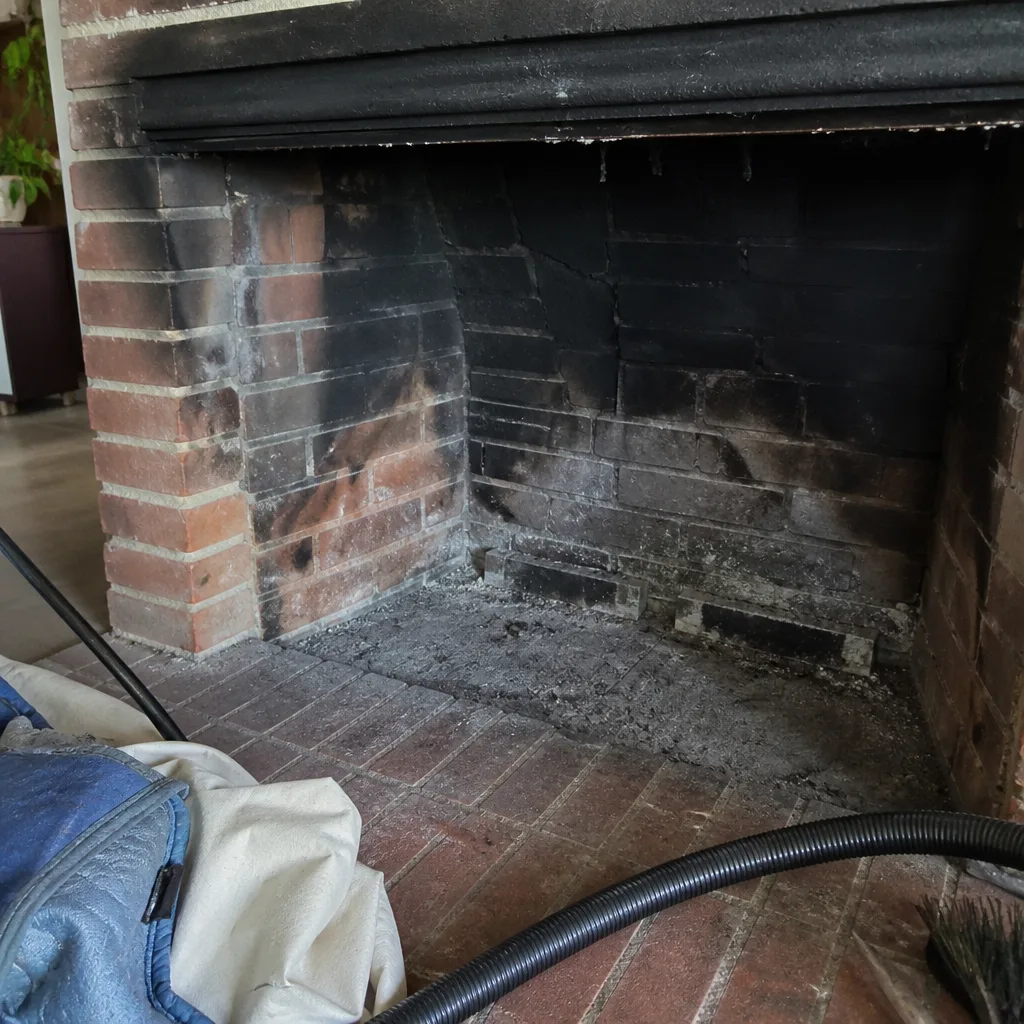 Before
 After
 Before
 After
When to Call a Professional
Call when the question changes from “is my chimney clean?” to “is my chimney safe and compliant?” Specific situations: any suspected chimney fire, a visible crack in the firebox or crown, a liner finding from another contractor you can’t verify, a home purchase or sale, a wood-to-gas conversion you’re considering, or an unexplained draft problem a sweep can’t resolve. Call when you’re inheriting a home with unclear chimney history. Call when an insurer or a title company asks for documentation you don’t have. And call before you start a repair that might cross into permitted work – a conversation up front is worth more than a scramble after.
We answer 24/7. A call outside dispatch hours is booked into the next opening, Sunday through Friday, 7am to 7pm. Same-day service is often available. Tustin Chimney Sweep offers free estimates in Tustin – call (877) 770-1857.
Frequently Asked Questions
No. Routine chimney sweeping in Tustin is classified as maintenance and does not require a permit. The permit trigger is repair or alteration – a liner replacement, firebox reconstruction, crown rebuild, or structural change. Call (877) 770-1857 for an exact quote if you’re unsure which side of the line your job falls on – estimates are free.
A Level 1 inspection is the routine annual check of accessible portions of the chimney. A Level 2 inspection is required when the system changes – home sale, appliance replacement, any liner work, or after a chimney fire – and uses a video camera through the full length of the flue. A Level 2 finding that the liner is breached creates a code-compliance obligation, not just a recommendation.
Not unless your home qualifies for a registered exemption. SCAQMD Rule 445 prohibits wood burning in a residential fireplace on a No-Burn Day across the district, including Tustin. Gas logs and gas inserts are not restricted by the wood-burning ban in the same way, which is why many Tustin homeowners convert.
It can. After a chimney fire claim, insurers typically want documentation that the repair was done to code. A repair done without a permit leaves a gap in that record, and a claim can be denied or reduced. Keep your inspection reports, material specs, and permit sign-off in a file you can produce on request.
Not always, but the trigger is narrower than most homeowners expect. Relining a flue, rebuilding a crown, reconstructing a firebox, or any structural change generally requires a permit. Replacing a cap in kind usually does not. Confirm the scope with your contractor before work begins. Call (877) 770-1857 for a free estimate and a straight answer about the scope.
Ask which NFPA 211 inspection level is being performed, whether the scope of work requires a permit, and what documentation you’ll receive after – camera report, material spec sheets, and permit cards if applicable. A sweep who can answer all three clearly is a sweep you can trust with the rest.
The Bottom Line
Routine cleaning in Tustin is maintenance and needs no permit. The moment work moves to liner, firebox, crown, or structural repair, California Residential Code Section R1003 and City of Tustin permitting requirements engage. NFPA 211 inspection levels are the diagnostic context – a Level 2 finding is a compliance signal. SCAQMD Rule 445 governs wood-burning on No-Burn days, and the documentation your insurer and a future buyer will want is the same file. Get the inspection report, the material specs, the permit numbers, and the photo record. One paper trail, one company.
One inspection. One company. No subcontractors. Tustin Chimney Sweep handles the sweep, the inspection, the liner, the fireplace, the crown, and the cap – all under one roof, with professional-grade materials specified by name. For local chimney care, start with Tustin Chimney Sweep. If you’re due for a routine cleaning, book a chimney sweep and get the inspection and photo report with it.
Call (877) 770-1857 for a free estimate. We answer 24/7. Fast dispatch from 7am to 7pm, Sunday through Friday.
Written by the team at Tustin Chimney Sweep.