
Last updated November 25, 2026
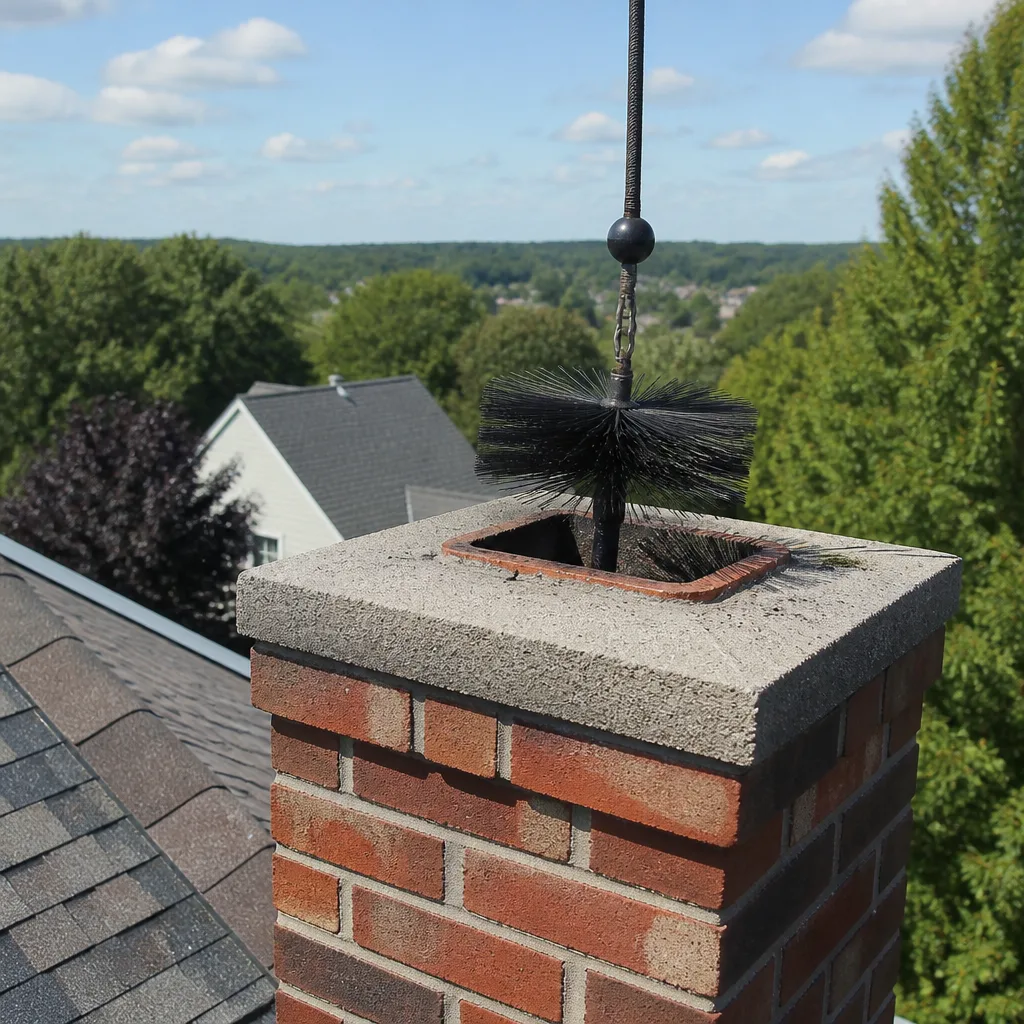 Sweep & inspection
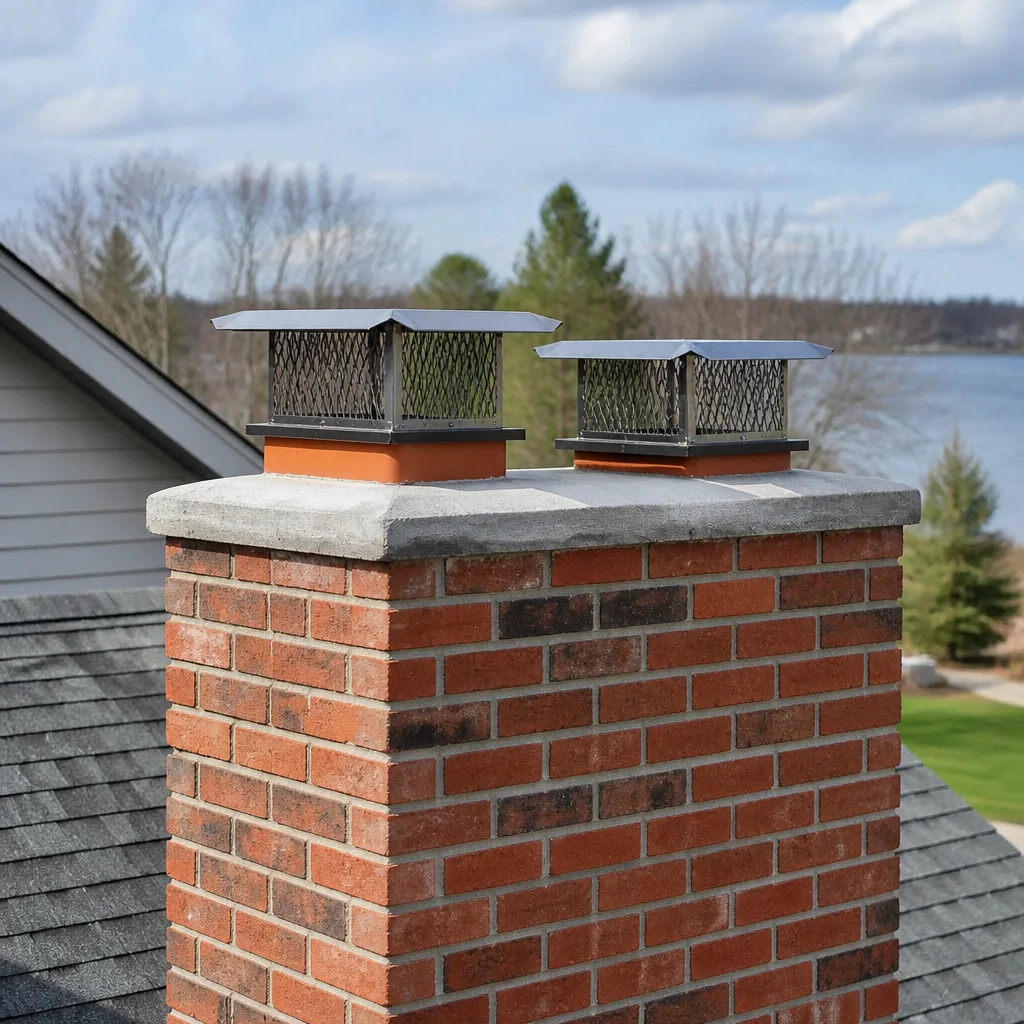 Caps & crowns
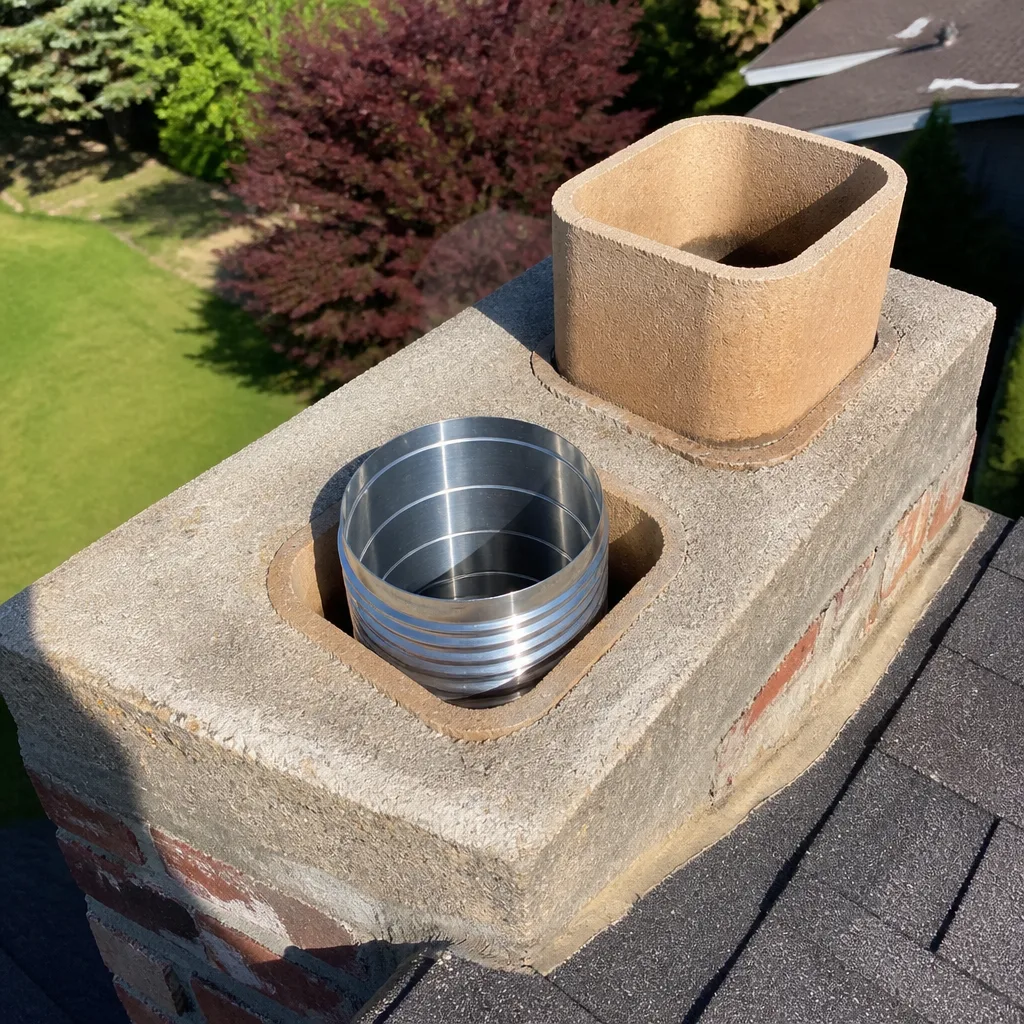 Flue relining
 Masonry repair
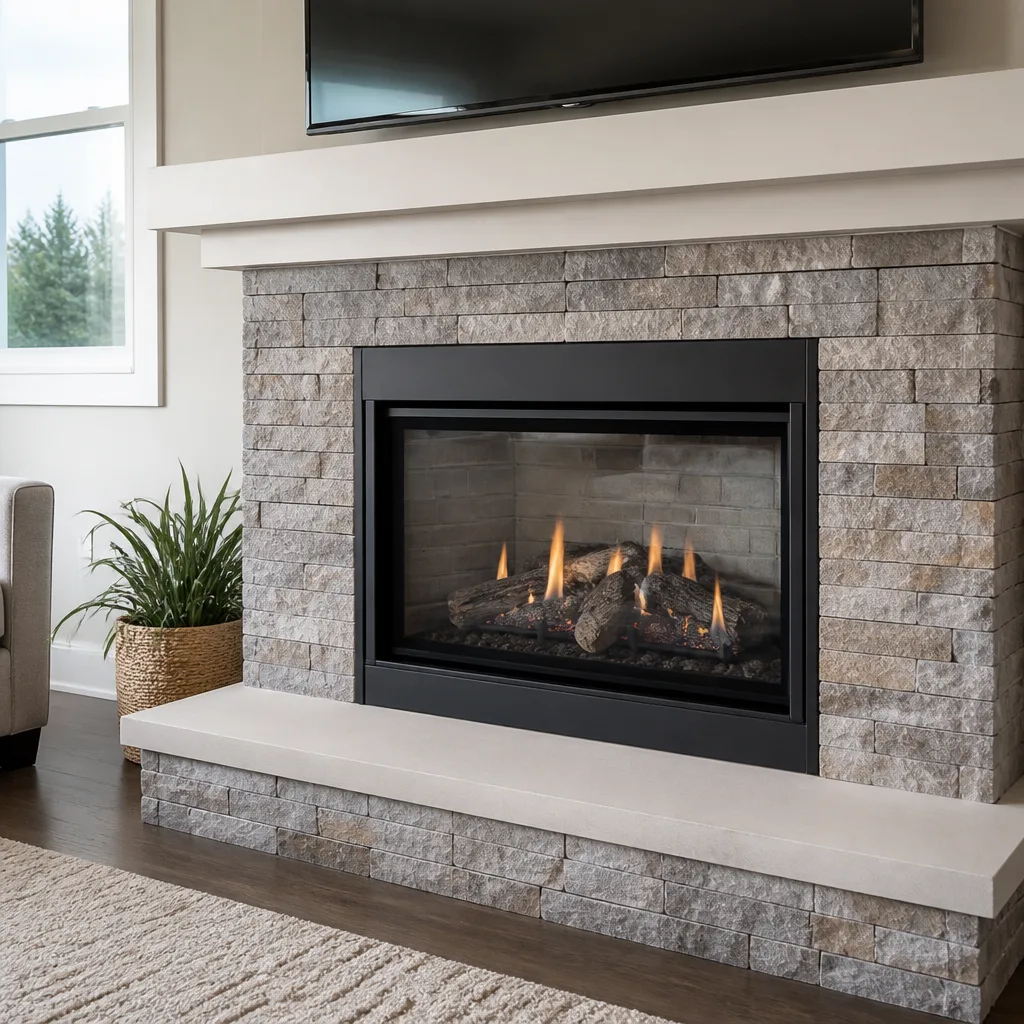 Gas fireplace service
Level 1 sweep and inspection to the NFPA 211 annual standard - flue, crown, cap, and flashing checked and photographed
Chimney sweep logs do not sweep chimneys. They loosen some creosote - which then falls where a brush and vacuum still have to collect it.
Choosing the Right Chimney Cleaning Brand: A Buyer’s Guide for Tustin
Most homeowners judge a chimney sweep by the price on the invoice. The harder question is what actually goes into your flue. A sweep who can’t name the waterproofing sealant they’re spraying or the liner system they’re recommending is either improvising with hardware-store products or reselling trade materials without knowing their specifications. Both are worth catching before the work starts.
Tustin’s mild, dry climate and older masonry chimneys have their own considerations, and the brands a professional specifies tell you whether they understand them. In this guide, we walk through the product categories that matter – waterproofing, liners, caps, and creosote treatments – and show you how to read a materials list so you can verify you’re getting trade-quality work.
Quick Answer
The right “chimney cleaning brands” aren’t cleaning chemicals at all – they’re the professional-grade systems a sweep specifies for waterproofing, relining, and capping your flue, alongside legitimate creosote treatments that complement mechanical sweeping. In Tustin, look for a sweep who names their materials by brand and explains why each was chosen for your specific flue, not one who quotes generic line items. Brand specificity in a written estimate is the clearest signal of a genuine specialist.
Styles & brands we work with
- Sweep & inspection
- Caps & crowns
- Flue relining
- Masonry repair
- Gas fireplace service
Table of Contents
- Why the Brands Behind the Work Matter More Than the Sweep Itself
- Waterproofing: Saver Systems ChimneySaver vs. Consumer Masonry Sealers
- Liner Systems: HeatShield Resurfacing vs. Full Stainless Relining
- Cap Quality Tiers: Cast Aluminum, Stainless Steel, and Copper
- Creosote Treatments: Anti-Creo-Soot and Cre-Away Pro
- How to Read a Contractor’s Material List
- A Step-by-Step Way to Vet a Chimney Brand and Contractor
Why the Brands Behind the Work Matter More Than the Sweep Itself
Chimney care is a materials business as much as a labor business. The rodding and brushing are the visible part, but the products that follow – the sealant on the masonry, the liner inside the flue, the cap on top – determine how long your system stays safe and dry. Those products are not interchangeable. A consumer-grade sealer and a professional vapor-permeable waterproofing system behave differently on a chimney, especially in a climate like Tustin’s.
In our experience, the sweep’s brand choices reveal their training. Chimney specialists work with recognized product lines because those lines are engineered for the specific stress a chimney sees: heat cycling, flue gas acidity, and moisture moving through masonry. Generalist contractors often reach for whatever the local hardware store stocks.
Here’s what brand specificity actually signals:
- Trade knowledge. A sweep who names a system can explain its specifications and why it fits your flue.
- Accountability. Named products come with manufacturer documentation and warranty pathways.
- Correct application. Professional systems have application requirements; a sweep who uses them knows the process.
- Verification. You can look up the product and confirm it exists and what it does.
That last point is your leverage. When a contractor writes “sealant” on an estimate, you have nothing to check. When they write a specific manufacturer’s product, you can verify it in a few minutes. In Tustin, where many homes have masonry chimneys that have gone years between service visits, this distinction matters for longevity.
Waterproofing: Saver Systems ChimneySaver vs. Consumer Masonry Sealers
The most common water-intrusion fixes on a chimney are not on the flue at all – they’re on the masonry. Brick and mortar are porous. Water soaks in, and when it can’t escape, it causes spalling, cracked mortar joints, and eventually structural damage. The right waterproofing lets water vapor out while keeping liquid water from getting in. Most consumer sealers don’t. They trap moisture inside the brick, which can be worse than leaving the masonry untreated.
This is where vapor permeability becomes the deciding factor. A product like Saver Systems ChimneySaver is formulated specifically for chimney masonry – it’s breathable. A generic concrete or masonry sealer from a hardware store often forms a film that blocks vapor. In a climate like Tustin’s, with hot, dry summers and occasional wet winters, that trapped moisture cycles through freeze-free but still damaging wet-dry stress.
Why vapor permeability matters, category by category:
- Breathable professional systems: allow vapor to escape, reducing spalling and joint failure.
- Film-forming consumer sealers: can trap moisture, accelerate surface degradation, and need reapplication.
- Solvent-based vs. water-based: application matters; the wrong base on damp masonry can fail.
- Coverage and prep: professional products require clean, correctly prepped masonry to bond.
At Tustin Chimney Sweep, we specify Saver Systems ChimneySaver for this reason. It’s built for chimney masonry specifically, not repurposed from a driveway product. When a sweep can’t tell you the brand of waterproofing they’re applying, ask what they’re actually putting on your brick.
Liner Systems: HeatShield Resurfacing vs. Full Stainless Relining
Not every damaged flue needs a full liner replacement. The right solution depends on the condition of the existing liner and the clearance around it. Two approaches cover most cases: HeatShield Cerfractory Flue Sealant, which resurfaces a deteriorated clay flue from the inside, and a full stainless steel liner system like DuraFlex, which is installed when the existing flue can’t be restored.
The choice comes down to inspection findings. A camera inspection shows the actual condition. If the clay liner is cracked but structurally intact, resurfacing may be appropriate and cost less than a full reline. If there are gaps, offset joints, or the flue is unlined, a full liner is usually the correct path.
Conditions that typically point to HeatShield resurfacing:
- Cracked or spalling clay tiles with otherwise sound structure.
- Missing mortar joints between tiles that can be sealed from within.
- Clearances that make a full liner impractical.
Conditions that point to a full stainless liner (DuraFlex or equivalent):
- No existing liner, or a liner that is beyond restoration.
- Significant gaps or offset sections that can’t be sealed by resurfacing.
- Appliance upgrades requiring a correctly sized flue.
The cost difference is real, and it’s why we specify HeatShield when the inspection supports it: restoration without full replacement is a code-compliant, cost-saving option. But it isn’t right for every flue. A sweep who recommends a full reline on every job without camera evidence should explain why.
Cap Quality Tiers: Cast Aluminum, Stainless Steel, and Copper
The chimney cap is the first line of defense against water and animals entering the flue. Caps come in three broad tiers, and the difference matters in Tustin’s UV exposure and the dry, dusty Santa Ana winds that push through the area in fall and early winter.
Cast aluminum caps are the entry professional tier. They’re heavier and more rigid than stamped consumer caps, and they hold up to sun and general weather reasonably well. They’re a solid baseline for many homes.
Stainless steel caps (Gelco, Lyemance, and similar) resist corrosion and UV degradation and carry a longer service life than aluminum. In sunny Southern California, stainless performs well because the finish doesn’t fade or chalk the way painted products can. This tier is what many Tustin homes end up specifying.
Copper caps are the premium tier. They’re the most durable and the most expensive, developing a patina over time. For a homeowner who wants a single install that lasts with minimal attention, copper is worth considering.
Rough cost tiers (estimates only; the written estimate sets the final price):
- Cast aluminum: entry professional tier.
- Stainless steel: mid-to-upper tier, strong UV resistance.
- Copper: highest tier, longest service life.
We keep Famco and Gelco caps available so a cap replacement can often be handled the same visit as the sweep when the size and style are a match. The cap is one of the two most common points of water intrusion – the crown is the other – which is why we treat cap and crown work as prevention, not just repair.
Creosote Treatments: Anti-Creo-Soot and Cre-Away Pro
Creosote is the residue wood smoke leaves on the flue walls, and its stage determines how it’s handled. Stage 1 is soot and light fluff – easily brushed. Stage 2 is a flaky, crusty deposit that needs more work. Stage 3 is glazed, hardened creosote that can be difficult to remove and is a chimney fire risk. Chemical treatments are legitimate professional tools, but they complement mechanical cleaning – they do not replace it.
How the treatments work in practice:
- Inspection first. Confirm the creosote stage and the flue’s condition before any treatment.
- Mechanical cleaning. The sweep brushes and rods to remove the bulk deposit.
- Chemical application where appropriate. Products like Anti-Creo-Soot or Cre-Away Pro help modify deposits – Anti-Creo-Soot is often used to help break down glazed creosote over time, and Cre-Away Pro is a conditioning powder used to prepare flaky deposits for easier removal on a follow-up.
- Re-inspection. Verify the result and document with photos.
These products are not a shortcut. A sweep who offers chemical treatment without a mechanical sweep is skipping the actual cleaning. Used correctly, they make a difficult job safer and more effective – particularly on older chimneys in Tustin that have accumulated Stage 2 deposits over years. If your sweep can’t name the treatment they’re proposing, ask what it is and why.
How to Read a Contractor’s Material List
The clearest way to separate a chimney specialist from a generalist is to read their written estimate line by line. A specialist names products. A generalist writes categories. This guide’s thesis is simple: the materials are as important as the labor, and a materials list is where that shows.
Signals of a specialist estimate:
- The liner or resurfacing system is named, with an explanation of why it was chosen.
- The waterproofing product is specified, not just called “sealant.”
- The cap material and manufacturer are identified.
- The scope is broken down – sweep, inspection, cap, crown, repair – so you see what’s included.
- Repair recommendations connect to camera inspection findings you can review.
Signals of a generic or generalist estimate:
- “Chimney cleaning” with no detail on scope or method.
- “Sealant” or “waterproofing” with no brand.
- “Liner replacement” with no product named and no inspection evidence.
- Repair line items that appear without camera findings, photo documentation, or an explanation of the condition.
- Surprise charges discovered after the work begins.
Ask each contractor which brands they work with and why. A confident specialist will answer directly – and explain the trade-offs. That’s the same reason we work with a fixed set of professional-grade lines: DuraFlex, HeatShield, Gelco, Olympia Chimney, Famco, and Copperfield. Naming them isn’t marketing; it’s the honest answer to “what are you putting on my chimney?”
For a broader look at how a full appointment should go, see our chimney sweep page.
A Step-by-Step Way to Vet a Chimney Brand and Contractor
The most reliable process is to vet the contractor and the materials together. Here’s a sequence to follow before you book anything.
- Ask what brand of waterproofing they use. If they can’t name it, they’re likely improvising. A specialist will specify a vapor-permeable system designed for chimney masonry.
- Ask what liner system they’d recommend and why. The answer should depend on your flue’s condition, not on a default preference. Resurfacing and full relining are different solutions for different conditions.
- Ask for an inspection with camera evidence. You should see what they see before anything is recommended. Photo documentation included in the inspection is a green flag.
- Ask which cap materials and manufacturers they work with. Cast aluminum, stainless, and copper are different tiers. A specialist will explain the trade-offs for your home.
- Read the written estimate. Confirm the scope, the product names, and the price in writing before booking. The written estimate sets the final price.
- Confirm specialization. Chimney work only. One company should handle the sweep, the inspection, and any repair found – no referral chain, no subcontractors.
That sequence is the whole guide in miniature. If you can answer all six questions, you’ve vetted the brand and the contractor at the same time. If any answer is vague, ask again. A specialist isn’t offended by good questions.
Common Mistakes to Avoid
- Judging by price alone. The cheapest bid often reflects generic materials. A low price plus generic line items is a signal to look closer, not a deal.
- Accepting “sealant” as a description. Without a named product, you can’t verify whether it’s vapor-permeable or a film-forming consumer sealer that can trap moisture in your brick.
- Assuming every flue needs a full liner. In some cases, resurfacing is the right and less expensive solution. If a full reline is recommended without camera evidence, ask why.
- Ignoring the cap and crown. These are the two most common points of water intrusion. Deferring cap work lets water in every time it rains.
- Treating creosote chemicals as a substitute for sweeping. Treatments are legitimate tools that support mechanical cleaning – they don’t replace it. A chemical-only offer skips the actual cleaning.
- Hiring a generalist to handle chimney work. Multi-trade companies structurally can’t carry the same depth of chimney-specific product knowledge, and the materials list usually shows it.
- Skipping the inspection. A sweep without an inspection is a cleaning without a safety check. Camera inspection is where the real information comes from.
See the difference
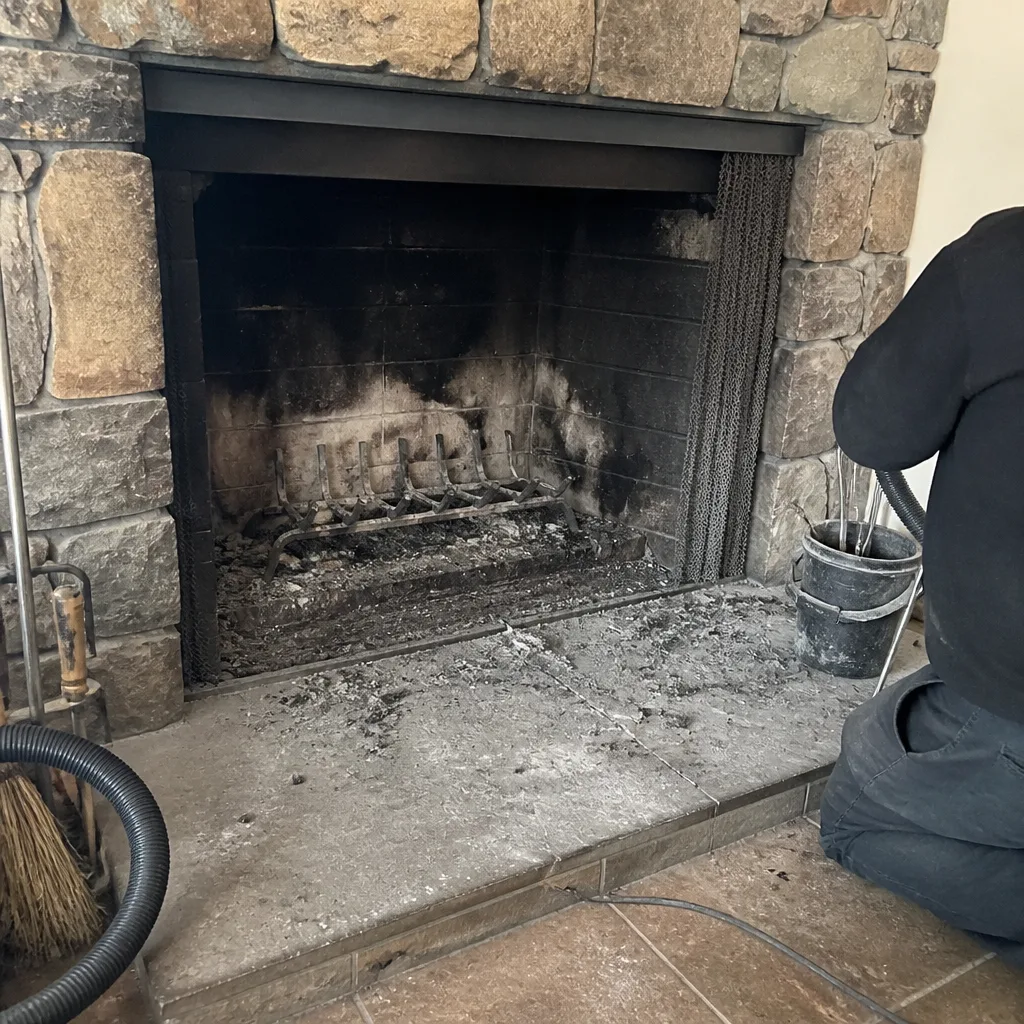 Before
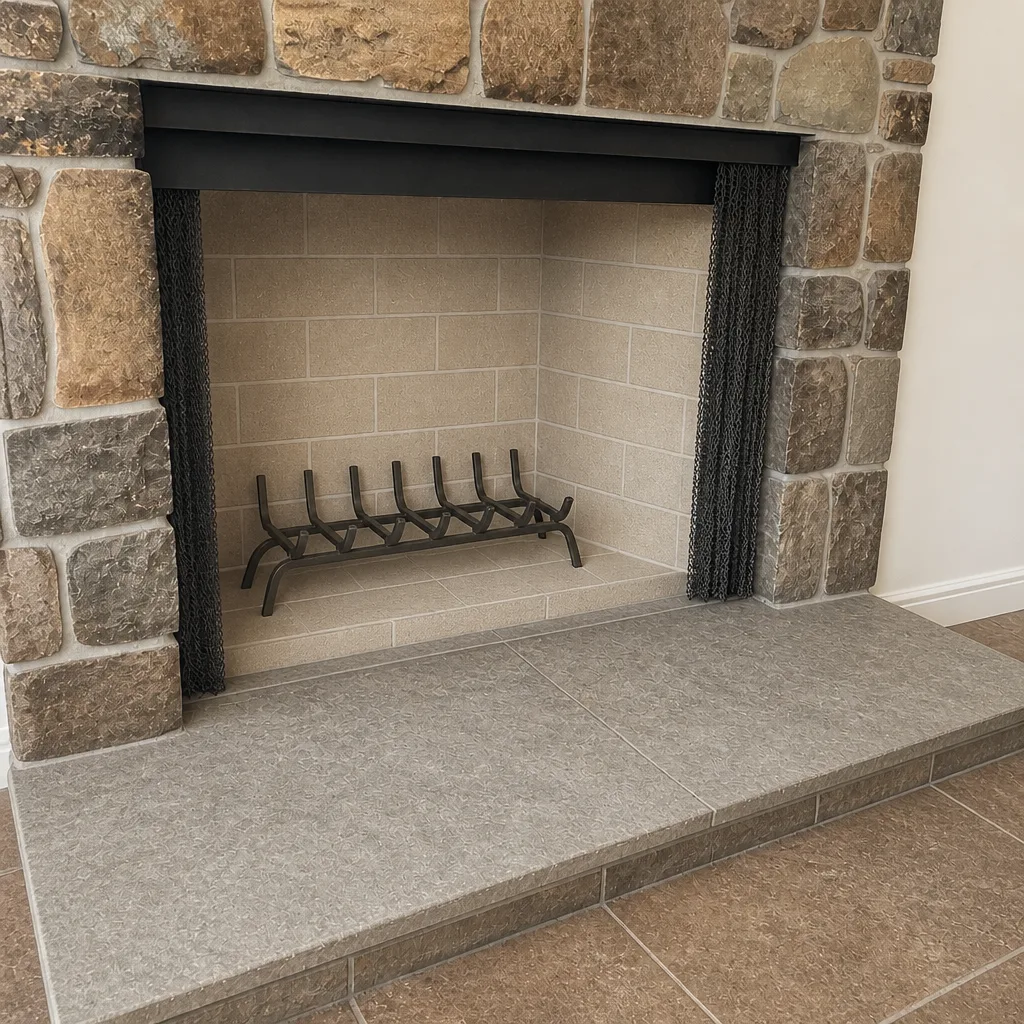 After
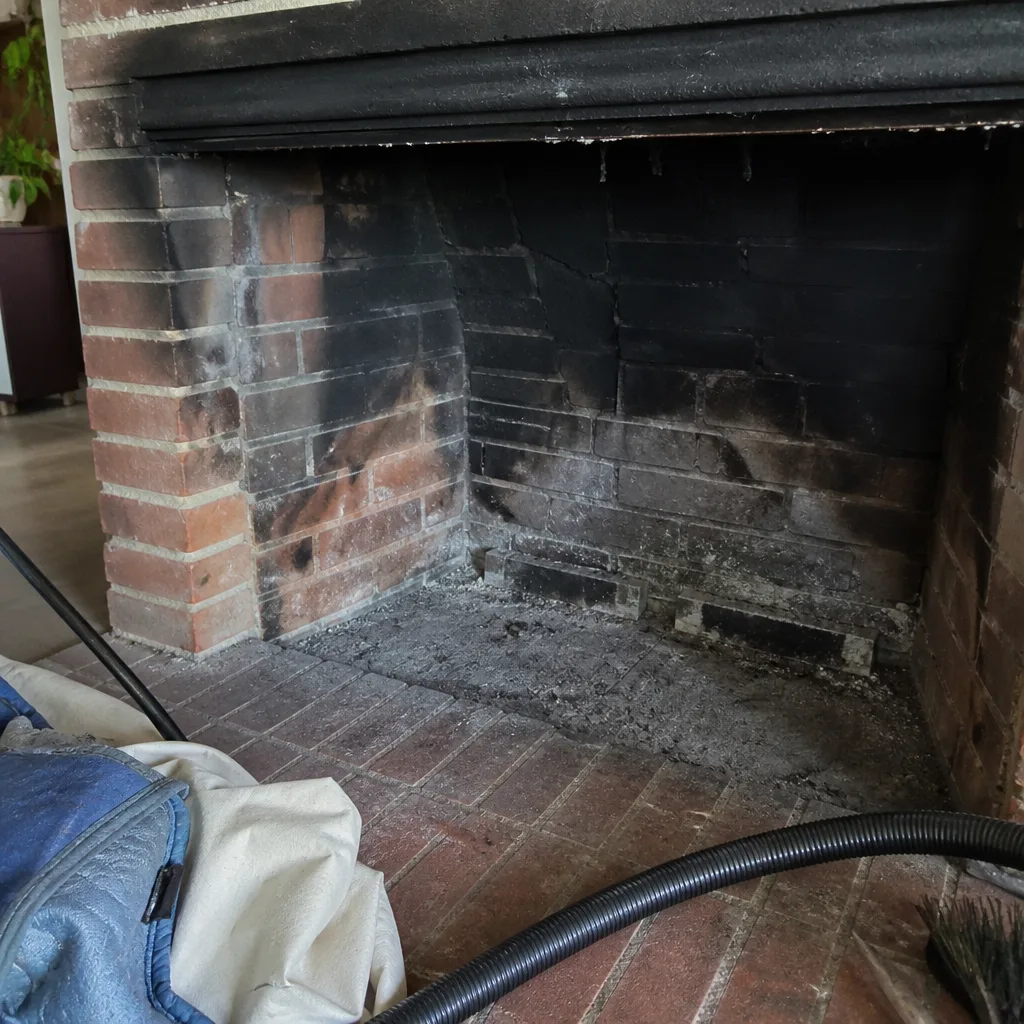 Before
 After
 Before
 After
When to Call a Professional
Some chimney issues are simple and can wait; others shouldn’t. Call a professional if you’re seeing water stains on the ceiling near the chimney, cracked or crumbling mortar on the exterior, a strong smoky smell after use, or visible glaze on the flue walls. Call if the cap is missing or damaged, or if the crown has cracks that could let water in. Call if your wood-burning appliance has never been inspected. And call if you’ve had a chimney fire, even a small one – the flue needs to be assessed before the next burn.
The products and methods in this guide are professional tools for a reason. Sizing a liner, resurfacing a flue, and applying vapor-permeable waterproofing correctly all take training and experience. Tustin Chimney Sweep offers free estimates in Tustin – call (877) 770-1857. We answer 24/7. Fast dispatch from 7am to 7pm, Sunday through Friday.
Frequently Asked Questions
Look for professional-grade systems named by product and manufacturer rather than generic categories. That includes waterproofing like Saver Systems ChimneySaver, liner and resurfacing solutions like HeatShield and DuraFlex, and cap systems from Gelco, Famco, and similar trade-quality makers. The specific brand matters less than whether the contractor can name it and explain why it fits your flue. Call (877) 770-1857 for a free estimate and a written materials list.
Mechanical sweeping is the core of chimney cleaning, and treatments like Anti-Creo-Soot or Cre-Away Pro complement it – they don’t replace it. Those products help modify difficult deposits such as flaky Stage 2 creosote so they can be removed more effectively. The decision should follow an inspection that identifies the creosote stage and the flue’s condition. Call (877) 770-1857 to book an inspection with camera evidence.
A camera inspection determines it. HeatShield ceramic flue resurfacing is typically appropriate when the existing clay liner is cracked or has deteriorated joints but the structure is sound. A full stainless liner such as DuraFlex is used when the flue is unlined, beyond restoration, or has gaps that resurfacing can’t seal. Ask for the inspection findings before any recommendation is made. Call (877) 770-1857 for a free estimate.
They differ a lot, and the difference matters. Vapor-permeable professional systems designed for chimney masonry allow moisture vapor to escape, while many consumer sealers form a film that traps moisture inside the brick. Trapped moisture can worsen spalling and joint damage over time. Ask your sweep to name the product and explain why it’s suited to chimney masonry specifically. Call (877) 770-1857 for a free estimate.
Stainless steel and copper both perform well under sustained UV exposure, while cast aluminum is a solid entry tier. Tustin’s dry, sunny conditions and the dusty Santa Ana winds that arrive in fall reward caps that resist fading and corrosion. The right choice depends on your chimney type and budget. We work with Gelco and Famco caps, and we can often handle a replacement the same visit as the sweep. Call (877) 770-1857 for a free estimate.
It usually means they’re either improvising with consumer products or reselling trade materials without knowing the specs. Specific product names and explanations signal genuine familiarity with trade-quality materials. Generic categories like “sealant” or “liner replacement” give you nothing to verify. Ask what brands they work with and why – and walk away from anyone who can’t answer. Call (877) 770-1857 for a written estimate that names the materials.
The Bottom Line
The brands behind your chimney work are as important as the labor. Vapor-permeable waterproofing, the right liner or resurfacing system, a cap built for UV and wind, and legitimate creosote treatments are the difference between a job done correctly and a job that looks done. Read the written estimate, ask for camera inspection evidence, and confirm the contractor can name the materials they’re using and explain why. That’s the single most reliable vetting step. For homeowners in Tustin, Tustin Chimney Sweep works with chimney repair and sweeping systems from named professional lines, and we’re happy to walk through the details before you book.
For related reading on the repair side of the work, our fireplace repair page covers common structural issues, and our Tustin Chimney Sweep home page has the full service overview. Call (877) 770-1857 for a free estimate. We answer 24/7. Fast dispatch from 7am to 7pm, Sunday through Friday.
Written by the team at Tustin Chimney Sweep.