
Last updated November 25, 2026
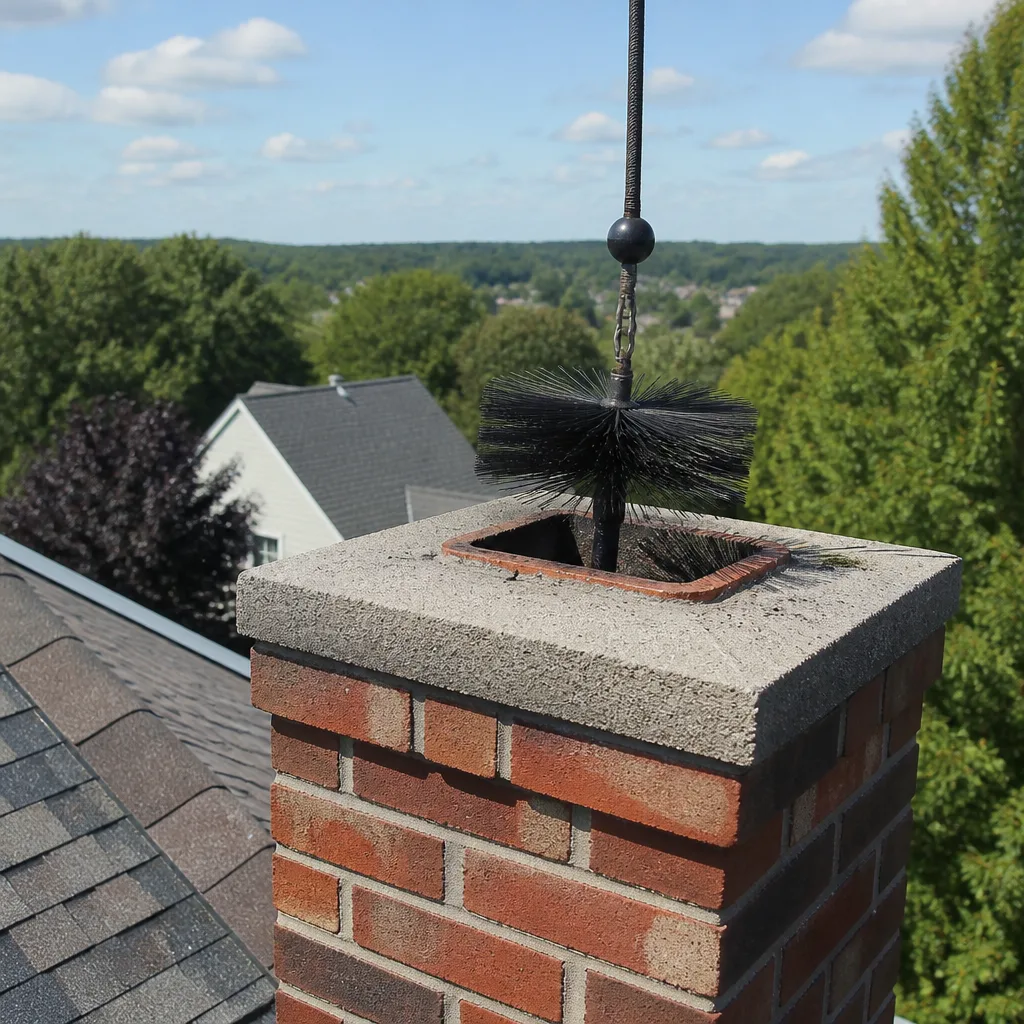 Sweep & inspection
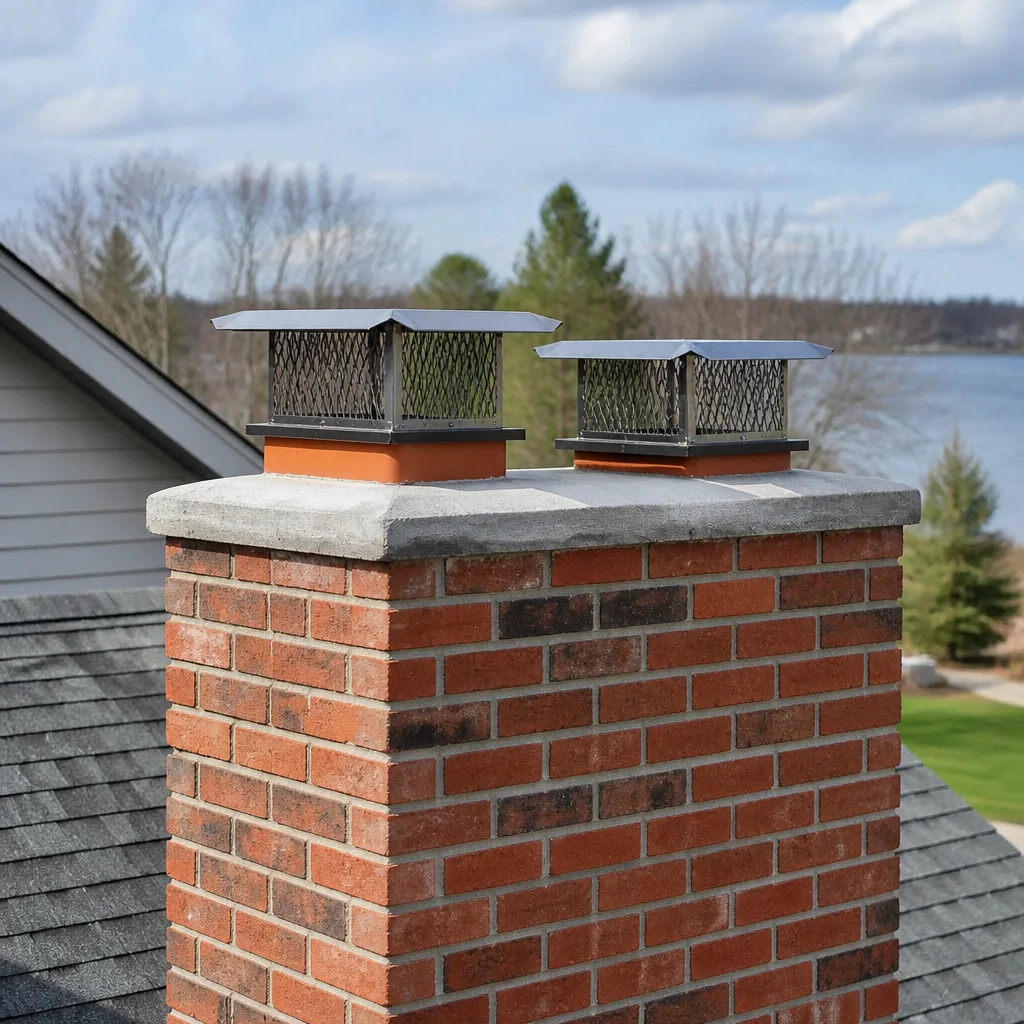 Caps & crowns
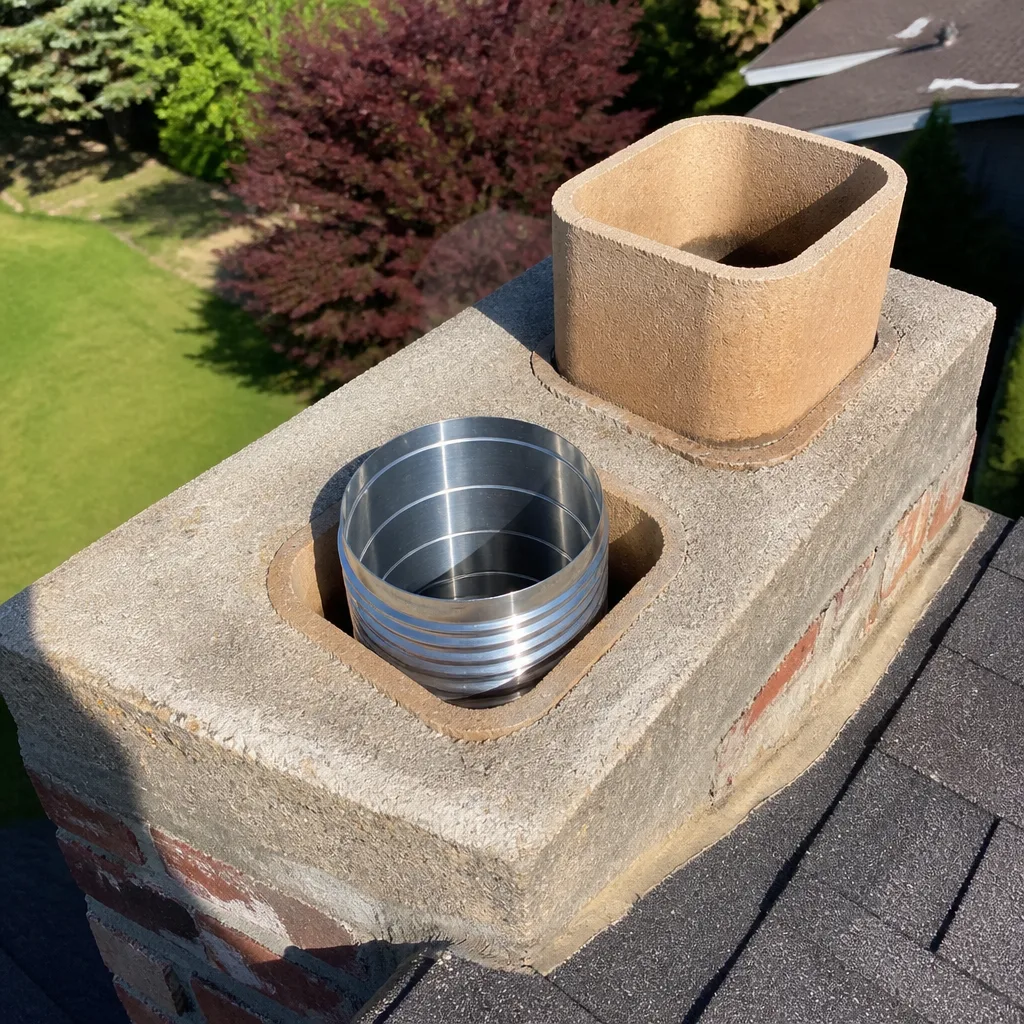 Flue relining
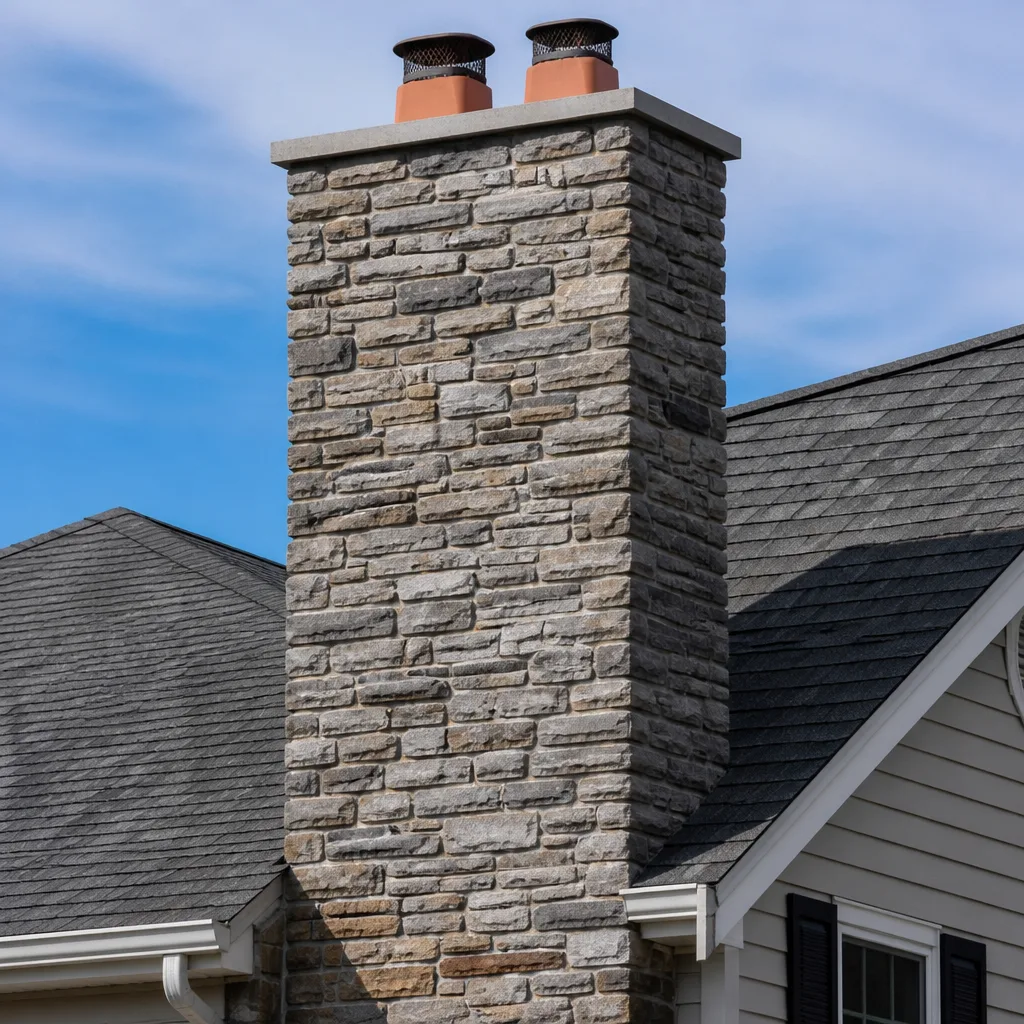 Masonry repair
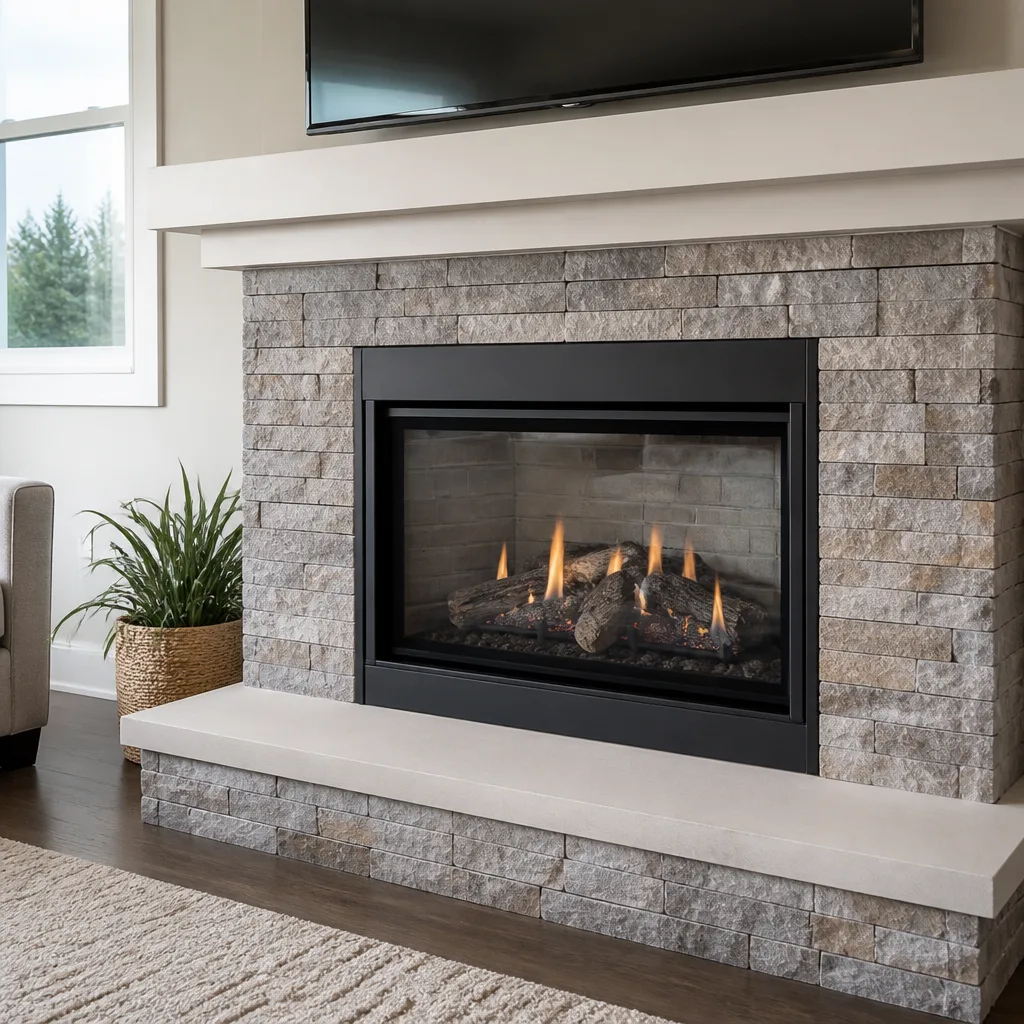 Gas fireplace service
Level 1 sweep and inspection to the NFPA 211 annual standard - flue, crown, cap, and flashing checked and photographed
Chimney sweep logs do not sweep chimneys. They loosen some creosote - which then falls where a brush and vacuum still have to collect it.
DIY vs Professional Chimney Cleaning: The Tustin Homeowner’s Decision Guide
The brush kits sold at hardware stores are built for maintenance cleaning of flues that are already in good shape. They aren’t engineered to remove Stage 2 or Stage 3 creosote, and running one across glazed deposits can leave a chimney looking clean from the firebox while the most combustible material stays bonded to the flue wall. We’ve seen this exact false confirmation more than once. This guide draws the real line between what a careful Tustin homeowner can handle and what turns a routine sweep into a technical job. You’ll learn how to read creosote stages, what professional equipment actually does that a kit can’t, which tasks are genuinely yours to do, and how to hand a Tustin sweep useful diagnostic information instead of a guess.
Quick Answer
A homeowner with a standard clay-tile flue, a light Stage 1 dusting of creosote, and no structural concerns can support basic cleaning with consumer tools, but most Tustin chimneys that haven’t been professionally serviced carry conditions that move the work past brush-and-vacuum territory. Only Stage 1 creosote is safely addressable with a hardware-store kit; Stage 2 and Stage 3 require rotary equipment, chemical treatment, and the judgment to know when a flue needs restoration rather than another sweep. Professional cleaning is the right call the moment you see glazed or puffy deposits, a damaged tile, or any sign of a prior fire.
Styles & brands we work with
- Sweep & inspection
- Caps & crowns
- Flue relining
- Masonry repair
- Gas fireplace service
Table of Contents
- What creosote actually looks like: Stage 1, 2, and 3
- The equipment reality check
- Liability and insurance after a DIY cleaning in California
- What you can legitimately do yourself
- How to run a useful pre-inspection
- Why Tustin’s climate shapes how often you sweep
- The real cost comparison
- Common mistakes to avoid
What Creosote Actually Looks Like: Stage 1, 2, and 3
Creosote comes in three recognized stages, and the difference between them is the whole ballgame when you’re deciding whether to pick up a brush yourself. Stage is not about how much buildup you have; it’s about how the material behaves when you try to remove it.
- Stage 1 – soot and flaky dust. This is a light, powdery coating of black or gray flakes. It brushes off with gentle pressure and looks like fine charcoal dust. It’s what a chimney flue accumulates after a modest season of fires, and it’s the only stage a homeowner with a consumer brush kit can safely address.
- Stage 2 – crusty, shiny flakes. The deposits become hard, crunchy, and sometimes glossy on the surface. They don’t flake free with a nylon brush; they tend to peel in thin, brittle layers that leave residue behind. This stage generally needs rotary cleaning or a chemical treatment to break the bond.
- Stage 3 – glazed, tarry, and dense. This is the fuel-rich, shiny black coating that looks almost like hardened asphalt. It’s puffy in spots and rock-hard in others, and it’s the most combustible material in the chimney. Brushing Stage 3 with a consumer kit can polish the surface rather than remove it, giving a false clean that leaves the hazard in place.
The fastest test is a visual one. Take a bright flashlight and shine it up the flue from the firebox, or down from the top if you have safe access. If you see a smooth, mirror-like shine, a heavy crust, or dark deposits thicker than a few flakes, stop there and call a professional sweep. The full chimney sweep process includes rotary cleaning and a camera scope that can confirm what the surface actually is.
The Equipment Reality Check
What separates a hardware-store brushing kit from a professional sweep is not bravado; it’s specific diesel-and-grit tooling. Here is what a trained technician brings that a kit does not.
- Rotary cleaning systems. Motorized whip and chain heads that break up Stage 2 crusts through controlled spinning contact, not a hand-pushed bristle brush. The difference in outcome on a glazed flue is enormous.
- HEPA-rated vacuums. Commercial sweeps run high-capacity vacuums with HEPA filtration that trap fine soot and nuisance dust before it spreads through the house. Cheap shop vacs move dust into the room and into your HVAC return.
- Camera scopes. A flexible camera lets a technician look past a bend, at the smoke shelf, at the crown, and at the top of the flue, and document conditions with photos. You can’t inspect a flue with a flashlight and a mirror the way a scope can.
- Chemical treatments like Anti-Creo-Soot. A formulated catalyst that alters creosote so it can be brushed away, useful on stubborn Stage 2 buildup. A consumer kit doesn’t include it, and it shouldn’t be applied by guesswork.
- Restoration materials. When a flue is damaged, restoration systems such as HeatShield allow a technician to resurface a ceramic flue rather than replace the whole liner, and a full reline uses a system like DuraFlex. These are the same professional-grade brands we specify for Tustin chimney repairs. If you’re curious about that side of the trade, see our chimney repair page.
The equipment list is not a sales pitch so much as a boundary. If a job requires rotary tooling, chemical treatment, or a scope, it isn’t a DIY decision anymore.
Liability and Insurance After a DIY Cleaning in California
California homeowners commonly assume their homeowner’s policy will simply respond if a chimney fire happens. The claim review can go a different direction when there is evidence the chimney was worked on by an unqualified person who may have left it in worse condition than they found it.
This is the uncomfortable part, and it’s worth stating plainly: if you brush your own flue, remove a cap, or attempt a repair ahead of a fire, an insurance adjuster may ask who performed the work. A chimney not maintained by a qualified sweep can complicate an otherwise straightforward claim, and the potential disagreement with the carrier is yours to manage, not the chimney’s.
A documented sweep record does something a homeowner’s memory can’t: it establishes a service history. That matters if you ever sell the home in Tustin, and it matters far more if you ever have to file a claim.
It’s worth knowing too that a technician working a Tustin chimney carries proper insurance for the work they perform. That’s part of what you’re paying for when you hire out.
What You Can Legitimately Do Yourself
There’s real work a motivated Tustin homeowner can and should handle. It’s the work that supports the chimney without touching the parts that go wrong quietly.
- Clean the fireplace glass. Wood stove and insert glass collects a stubborn soot film. A mild paste of baking soda and water, gentle buffing, and a clean wipe will do more for how your fire looks and burns than almost any other low-effort task.
- Remove ash at the right level. Empty the firebox when the ash bed gets thick, but a thin layer of ash actually helps a wood fire start. A metal ash pan and a lidded metal can are the right tools. Never vacuum warm ash into a household vacuum.
- Do an exterior visual inspection. From the ground, check the cap, the crown, and the chimney exterior. Look for a cap that’s loose, a crown with cracks or crumbling mortar, stains down the outside of the masonry, or anything that looks new since a storm. These are the two most common water-intrusion points on a chimney, and catching them early is the whole game.
- Clear surface debris after a wind event. Leaves, twigs, and bird nesting material can block the top of the flue. A visual check from below and a safe look from an accessible point (never climbing a steep roof) can tell you if the cap needs attention. If you can’t safely reach it, leave it.
- Maintain a fire safety rhythm. Keep a spark screen, a working carbon monoxide alarm, and a clear hearth zone. These habits prevent more incidents than any single cleaning decision.
Notice what’s on that list: cleaning, observation, and prevention. What’s not on it is anything that requires opening the flue, disconnecting a pipe, climbing a roof you’re not trained for, or working around a hot or glazed surface.
How to Run a Useful Pre-Inspection
A thoughtful walkthrough before the sweep arrives does two things: it tells you whether you have a problem worth calling about, and it gives the technician better starting data than a blank slate. You’re not replacing their inspection. You’re feeding it.
- Note how you burn. What kind of wood, how seasoned, how many fires a season, and whether you’ve burned any paper, cardboard, or green wood. Those last items accelerate creosote buildup fast, and it helps a professional estimate what they’re walking into.
- Record what you see. Take photos up the flue with a bright light if it’s safe, and photograph the exterior cap and crown from the ground. Close-up shots of visible deposits are genuinely useful.
- Log symptoms. Is there smoke entering the room when you open the firebox door? A smell in the house when there’s no fire? Any rust or stain lines on the firebox or the outside of the chimney? Write down when and how often.
- Bring it to the call. When you reach out to schedule, mention what you found. Here’s the practical path: Tustin Chimney Sweep handles sweep, inspection, and any repair found, so the person on the phone is the same specialist who does the work. Photos and notes genuinely sharpen the visit.
This pre-inspection is an asset. It’s not a substitute for the documented inspection a professional performs with a camera scope and a trained eye.
Why Tustin’s Climate Shapes How Often You Sweep
Orange County winters are mild, and Tustin isn’t a climate where fireplaces run flat-out from October to April the way they do in cold-winter regions. That doesn’t mean less creosote; it means creosote forms differently. Mild-weather burning often means short, cool, smoldering fires, which is exactly the recipe for Stage 2 and Stage 3 buildup rather than light ash.
Creosote accumulates fastest when a fire burns cool and slow: an incomplete, smoky fire produces more unburned fuel, and that fuel condenses on the flue walls. A well-established, hot fire produces less creosote. So the Tustin homeowner who fires the fireplace up a few evenings a week for atmosphere often accumulates more dangerous deposits than someone burning hard and hot in a colder climate. The local climate also means long stretches of the year where a chimney sits unused, which is exactly when a failed crown or a loose cap lets moisture into the flue unnoticed.
Practical takeaway for Tustin: sweep based on how you burn and what you see, not on a cold-climate calendar. If you smell smoke in the house on fire-off, or you’ve burned more than a cord of wood through a season, it’s time for a professional look. A proactive fireplace repair assessment before the burning season is the low-drama move.
The Real Cost Comparison
Cost is often the deciding factor. Here’s the honest framing.
- A DIY kit: a modest up-front expense for brushes, a rod, and a tarp. It works once, and only on a flue that was already in good condition.
- A professional sweep: a per-job cost that covers rotary equipment, HEPA vacuuming, a camera inspection, and a documented report. The final price is set by the written estimate after the technician sees the job, and the estimate is free.
- The hidden cost of the wrong DIY work: a false clean, an unreachable Stage 2 or 3 deposit, or a scuffed flue liner that wasn’t visible before. Those outcomes mean a professional visit anyway, often with more work to do.
In our experience, the comparison usually comes down to this: a DIY kit saves money on a job that didn’t need money saved, and costs money on a job that needed a professional. The best way to know which one you’re facing is to call a specialist, ask what the visit covers, and get a written estimate before any work is booked. You can call (877) 770-1857 for a free estimate and an honest read on where your chimney stands.
Why a Chimney-Only Specialist Changes the Decision
The general handyman can’t offer the same thing a chimney-only company can, and that difference matters when you’re weighing DIY. A specialist works with the same professional-grade brands certified sweeps specify, not the hardware-store alternatives. We specify DuraFlex for full relining, HeatShield for ceramic flue resurfacing, and product lines like Gelco and Olympia Chimney for caps and components. When a flue is damaged, restoration such as HeatShield can be a code-compliant alternative to a full liner replacement, which is often the higher-cost path.
The other advantage is continuity. One inspection, one company, no subcontractors. Tustin Chimney Sweep provides sweeping, inspection, fireplace repair, chimney repair, and chimney cap and crown work under one roof. That means the specialist who finds a problem is the person you can call about it. Our technicians have up to 10 years of experience with this specific trade. The chimney repair and fireplace work we do is not a sideline for a general contractor.
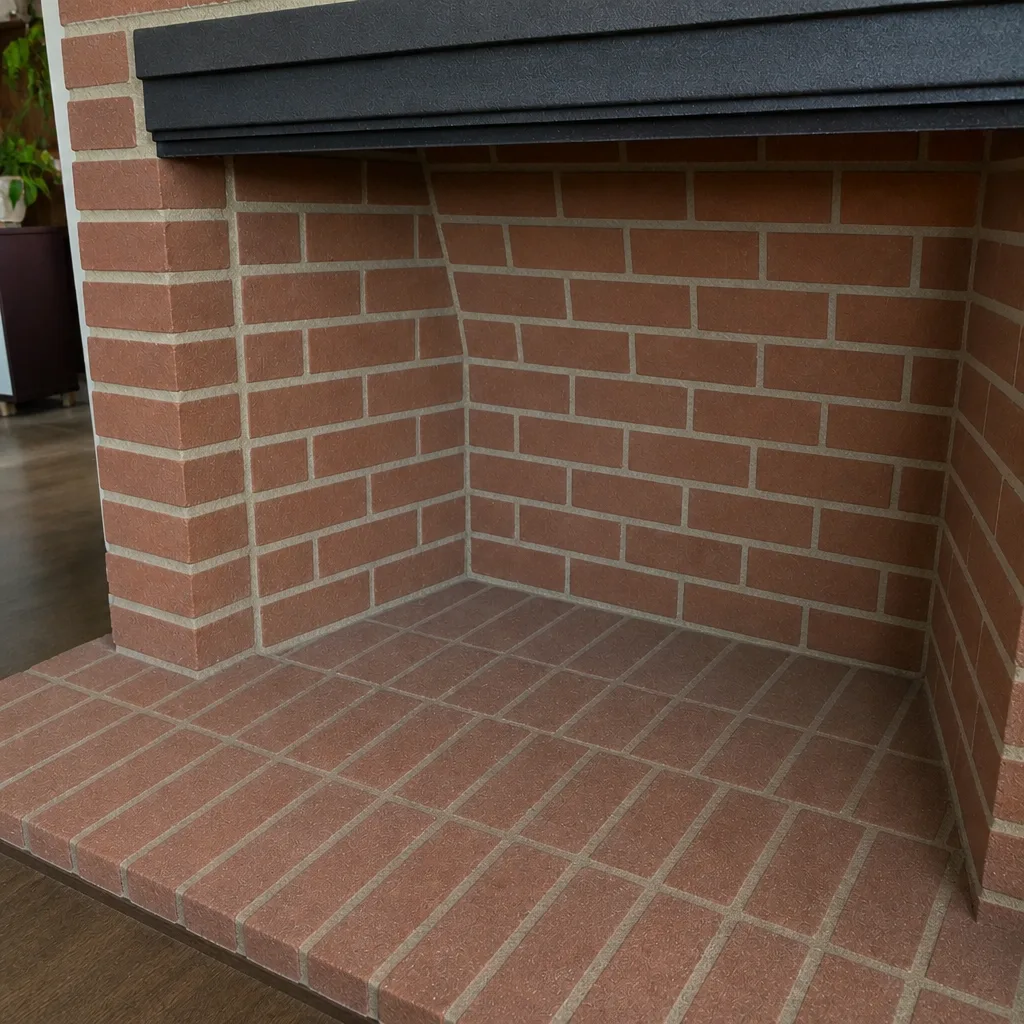
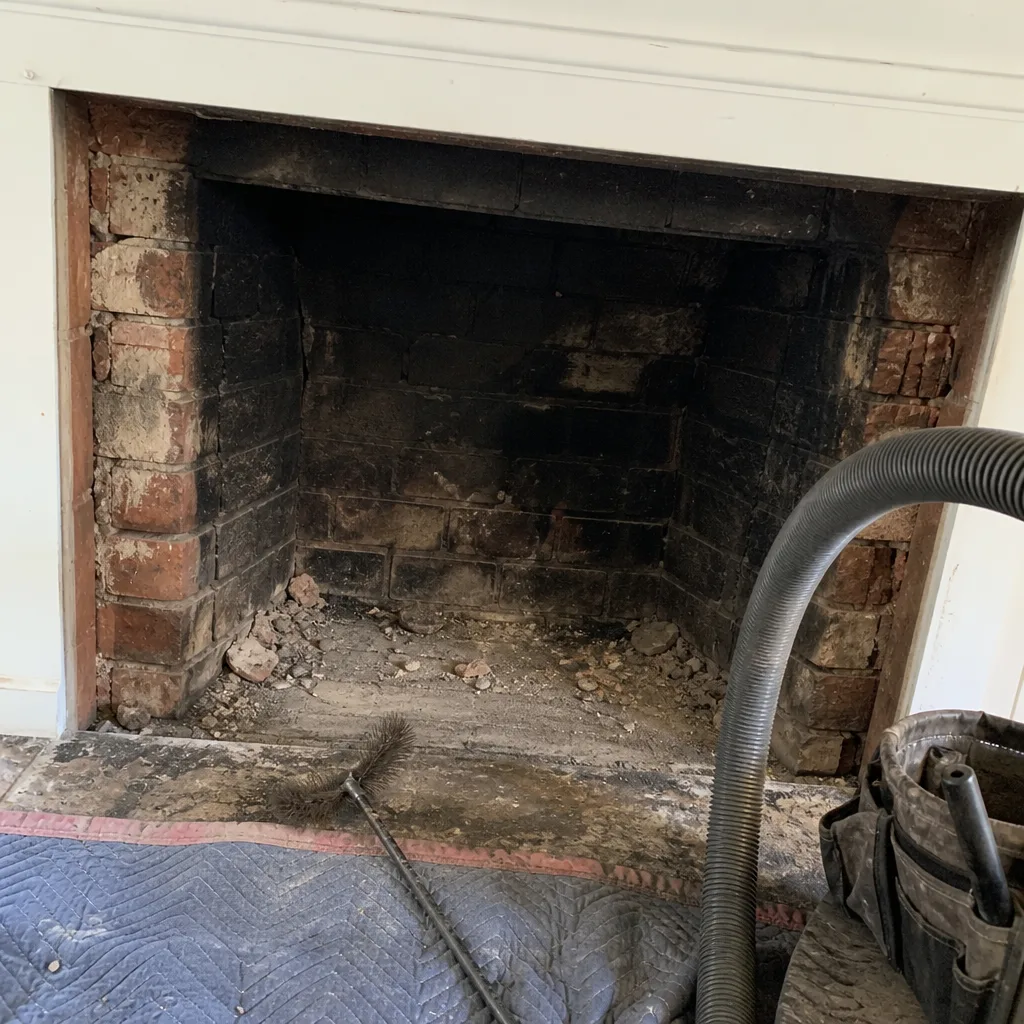
See the difference
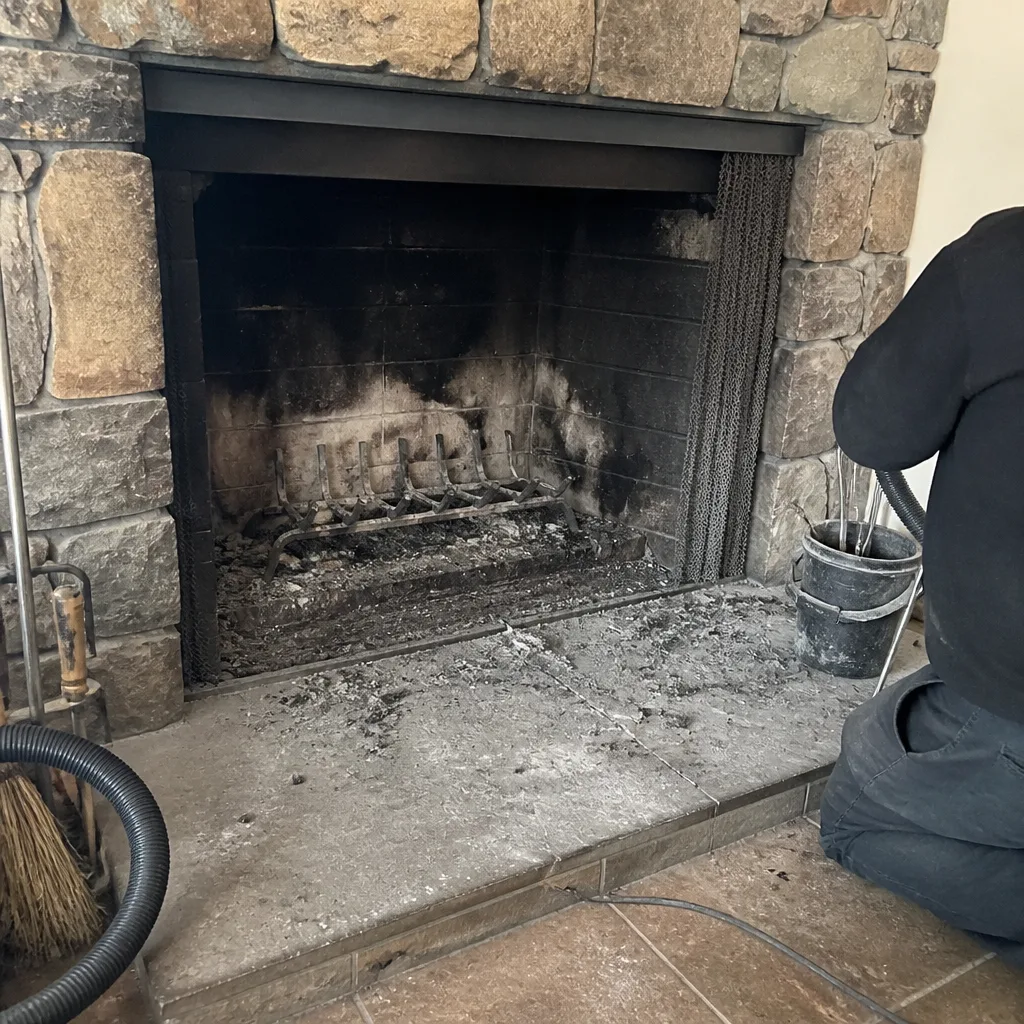 Before
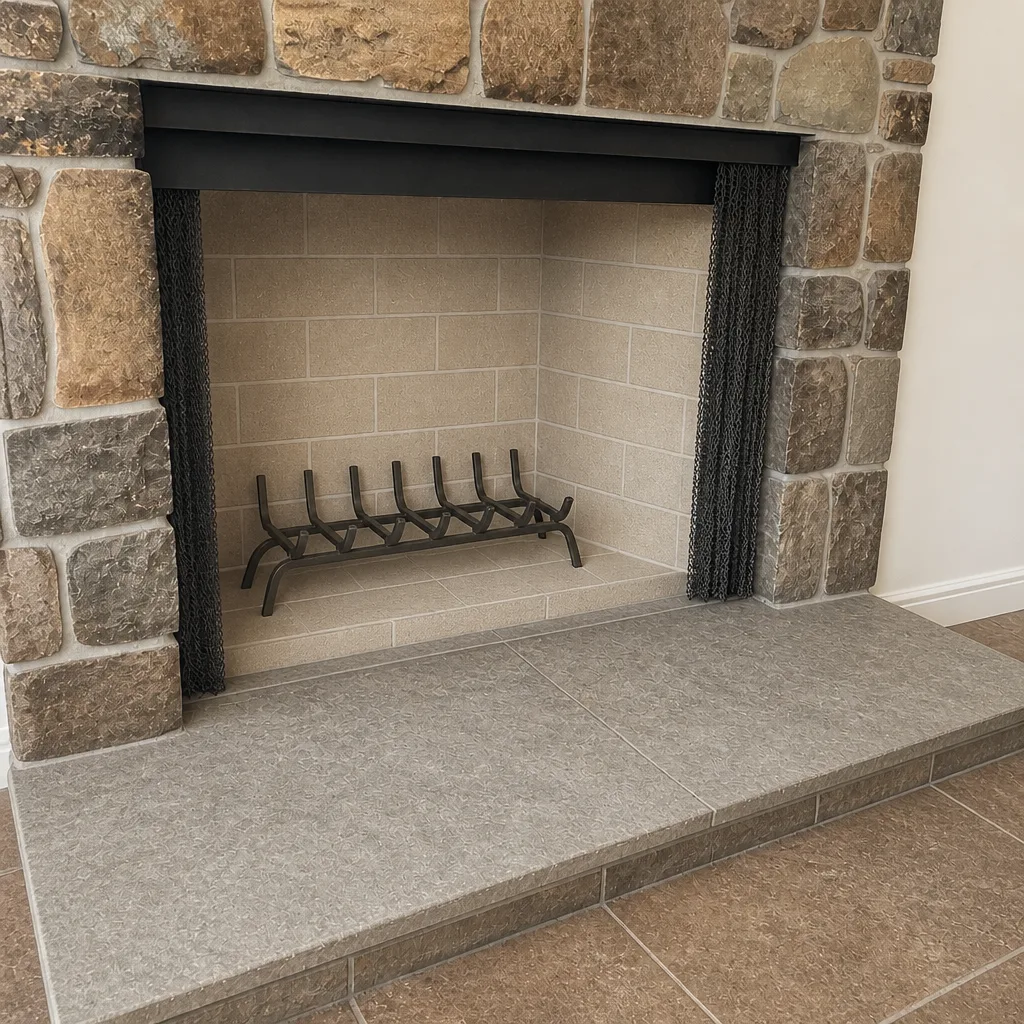 After
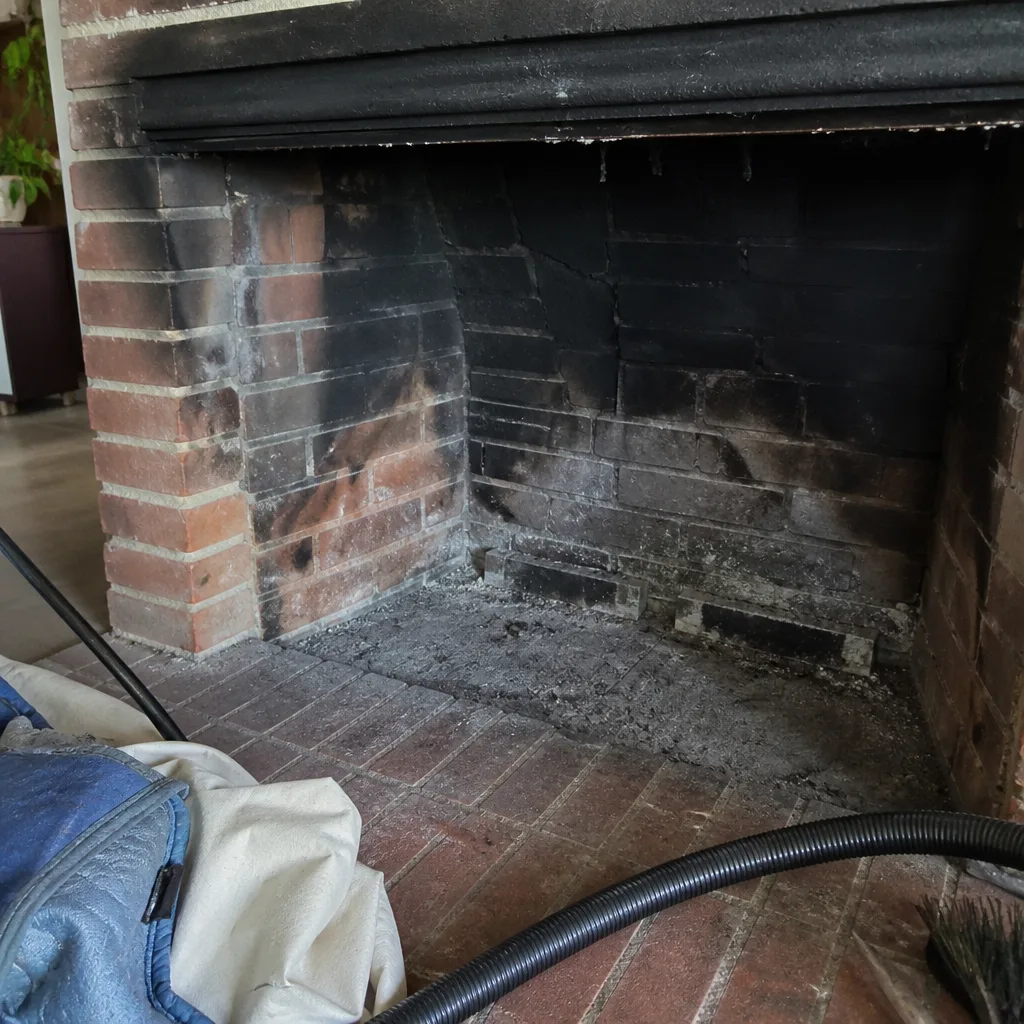 Before
 After
 Before
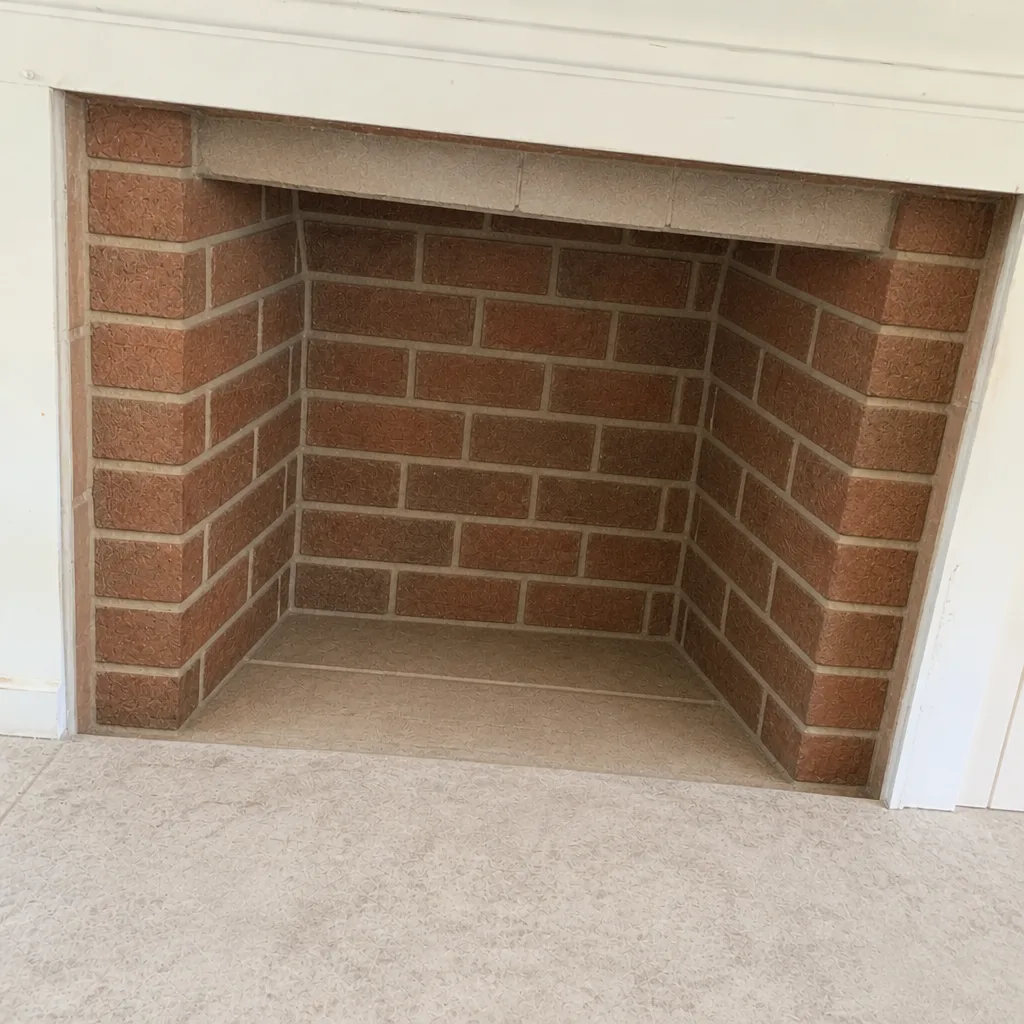 After
Common Mistakes to Avoid
- Assuming a clean-looking firebox means a clean flue. The firebox is the easy part. Creosote builds above the smoke shelf and in the flue where the eye can’t easily reach, so a tidy firebox can hide a dangerous flue.
- Brushing a glazed flue without testing the creosote stage. A brush on Stage 3 can polish the surface and leave the hazard behind. Test first, and get a professional on a hard crust.
- Using a shop vacuum as a chimney vacuum. It spreads fine soot rather than containing it. Any Tustin home with a HEPA-equipped professional visit will notice the difference in the room afterward.
- Climbing a roof during a Tustin Santa Ana wind event. Roof access is the most dangerous part of chimney work. Don’t climb a roof you’re not trained for; wind makes it worse.
- Patching a failed crown with caulk. A crown takes water at the top of the masonry line, and a smear of sealant doesn’t solve the underlying crack. A proper crown replacement from a Famco or Copperfield-style system does.
- Burning green or treated wood. It’s the fastest way to move a clean flue to Stage 2. Seasoned hardwood is the quietest maintenance decision you’ll make all year.
- Skipping the annual inspection. A sweep refreshes the flue; an inspection is what catches a developing liner or crown issue. Both belong in the same visit.
When to Call a Professional
There’s a short list of situations where DIY stops being an option. If you see shiny or tarry deposits, if the firebox or flue shows visible damage, if you smell smoke in the house during a fire, if you’ve had a chimney fire or suspect one, or if your flue has never been professionally scoped, call a professional. The same goes for a loose cap, a cracked crown, or water stains on the masonry, all early water-intrusion signals worth a specialist’s eye. Tustin Chimney Sweep offers free estimates in Tustin, and estimates are free. Call (877) 770-1857 for a free estimate and a documented inspection. We would rather tell you your chimney can wait than sell you work it doesn’t need.
Frequently Asked Questions
For a standard clay-tile flue with only Stage 1 creosote and no structural issues, a careful homeowner can support the routine cleaning, but most Tustin chimneys that haven’t been professionally serviced carry conditions beyond that. Rotary cleaning, camera inspection, and chemical treatment are not available with a consumer kit, and those are the tools that address Stage 2 and Stage 3 deposits safely. Call (877) 770-1857 for an exact read on your flue; estimates are free.
Stage 3 creosote is a dense, shiny, tarry coating that looks and feels like hardened asphalt, sometimes puffy and sometimes rock-hard. It’s the most combustible material in a flue and can ignite under the right heat, and it’s the stage a consumer brush kit will polish rather than remove. If you see a mirror-like shine in the flue, that’s your signal to call a professional sweep.
It can complicate a chimney fire claim if the work was done by an unqualified person and the adjuster asks who performed it. A documented sweep record from a specialist is what makes an otherwise straightforward claim go smoothly. In California, we’d treat a self-cleaned flue as a real risk to your claim, and it’s worth the cost of a documented professional inspection instead.
For a Tustin home burning a cord a year, an annual sweep with inspection is a reasonable rhythm; if you rarely burn, a biennial look is adequate, and if you use it heavily or burn green wood, plan more often. The deciding factor is how you burn, not the calendar. When in doubt, call (877) 770-1857 and we’ll talk through your usage; estimates are free.
Skipped maintenance lets creosote build to Stage 2 and 3 and lets a small crown or cap problem become water intrusion, which is exactly when chimney work turns from a cleaning into a repair. The other risk is a chimney fire that starts in fuel-rich deposits a homeowner never saw. A proactive sweep and inspection catch both before they cost you.
You can remove visible surface debris if you can reach the cap safely from the ground or a secure area, but never climb a roof you’re not trained for. If the cap is loose, damaged, or the blockage is in the flue, leave it and call. Cap and crown work is exactly what we handle, and there’s no substitute for a specialist’s eye on the top of the chimney.
The Bottom Line
The honest answer to DIY versus professional chimney cleaning in Tustin is that a careful homeowner can handle the maintenance layer: glass cleaning, ash removal, exterior observation, and a sharp pre-inspection. The moment creosote moves past Stage 1, or the cap, crown, or flue shows damage, the job demands rotary tooling, a camera scope, and the brands a specialist specifies. The difference is diagnostic, not just equipment. A professional visit gives you a documented record, a documented inspection, and someone accountable for the result. That’s worth the cost on a job you’ll only think about once a year.
Call (877) 770-1857 for a free estimate. We answer 24/7. Fast dispatch from 7am to 7pm, Sunday through Friday. Estimates are free, the price is set by a written estimate after the technician sees the job, and we’ll tell you plainly when your chimney can safely wait.
Written by the team at Tustin Chimney Sweep.