
Last updated November 25, 2026
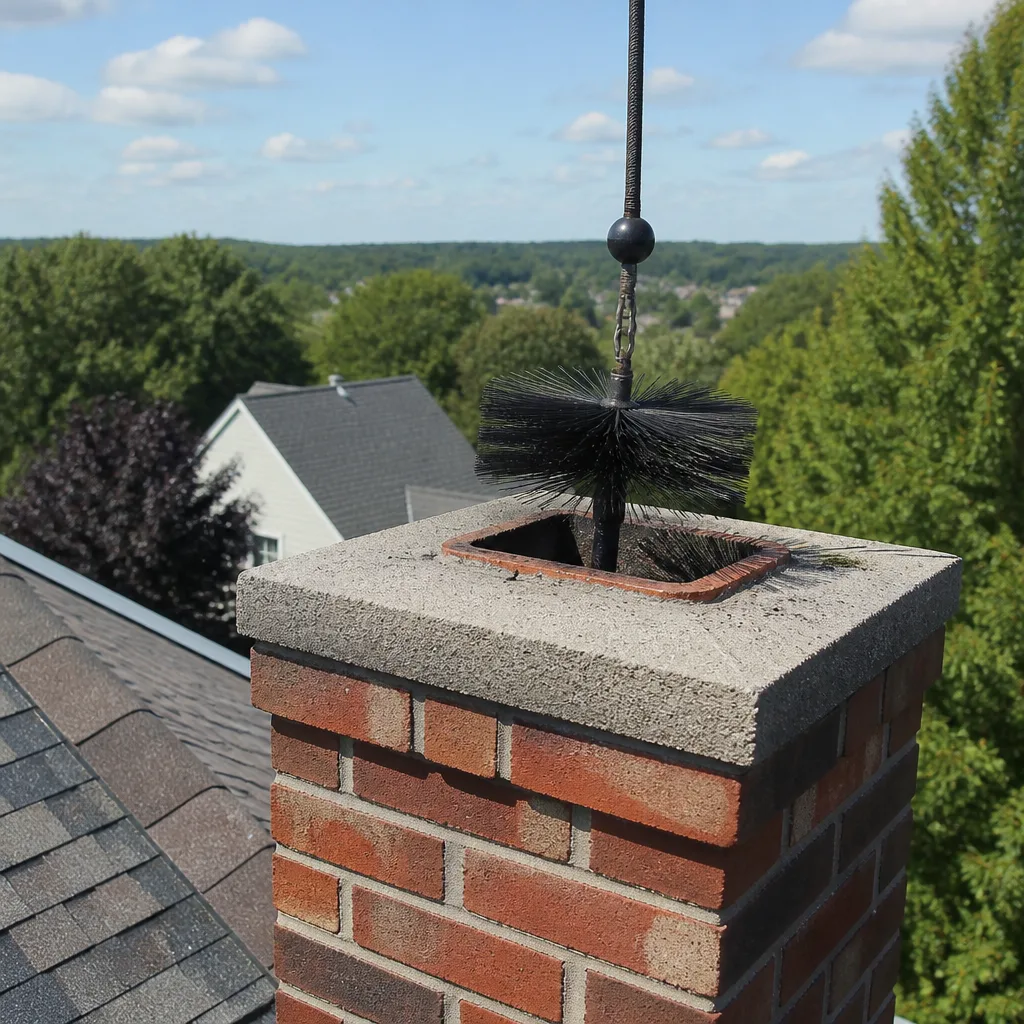 Sweep & inspection
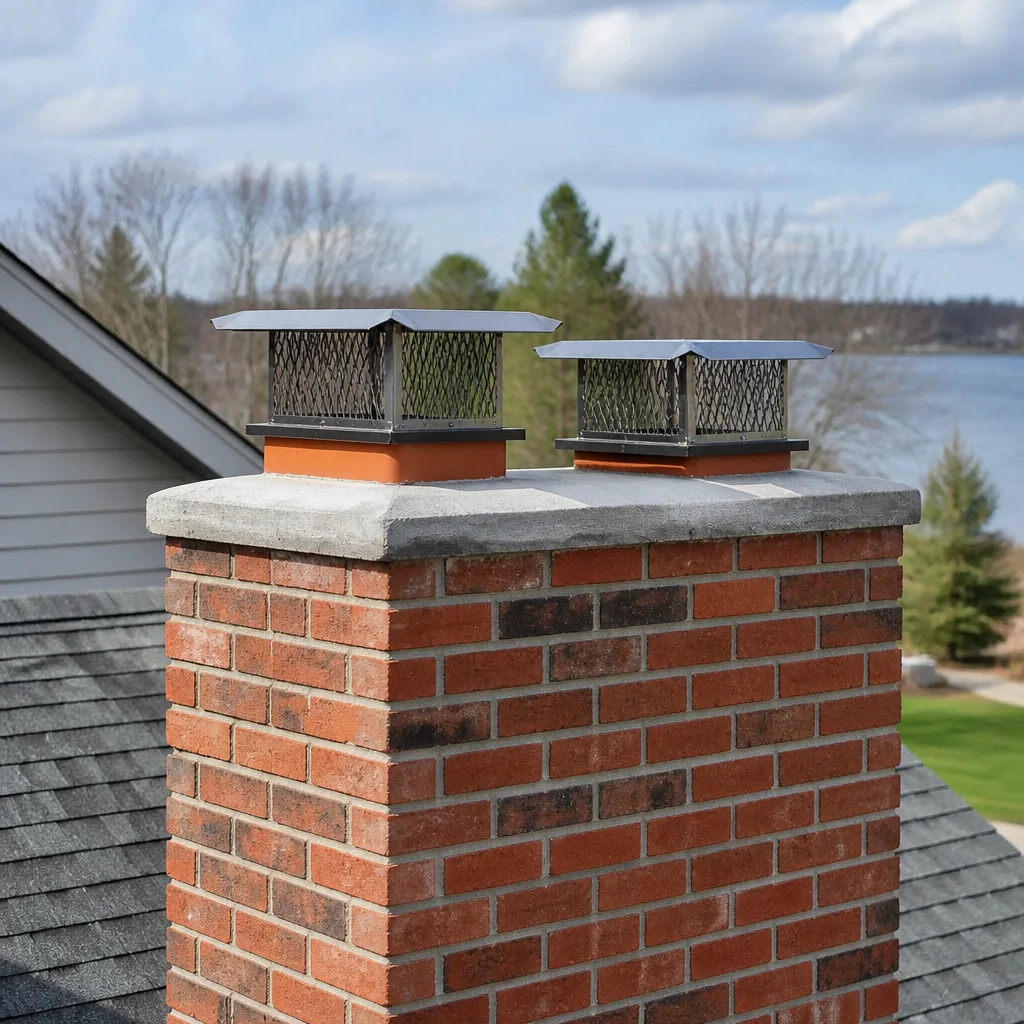 Caps & crowns
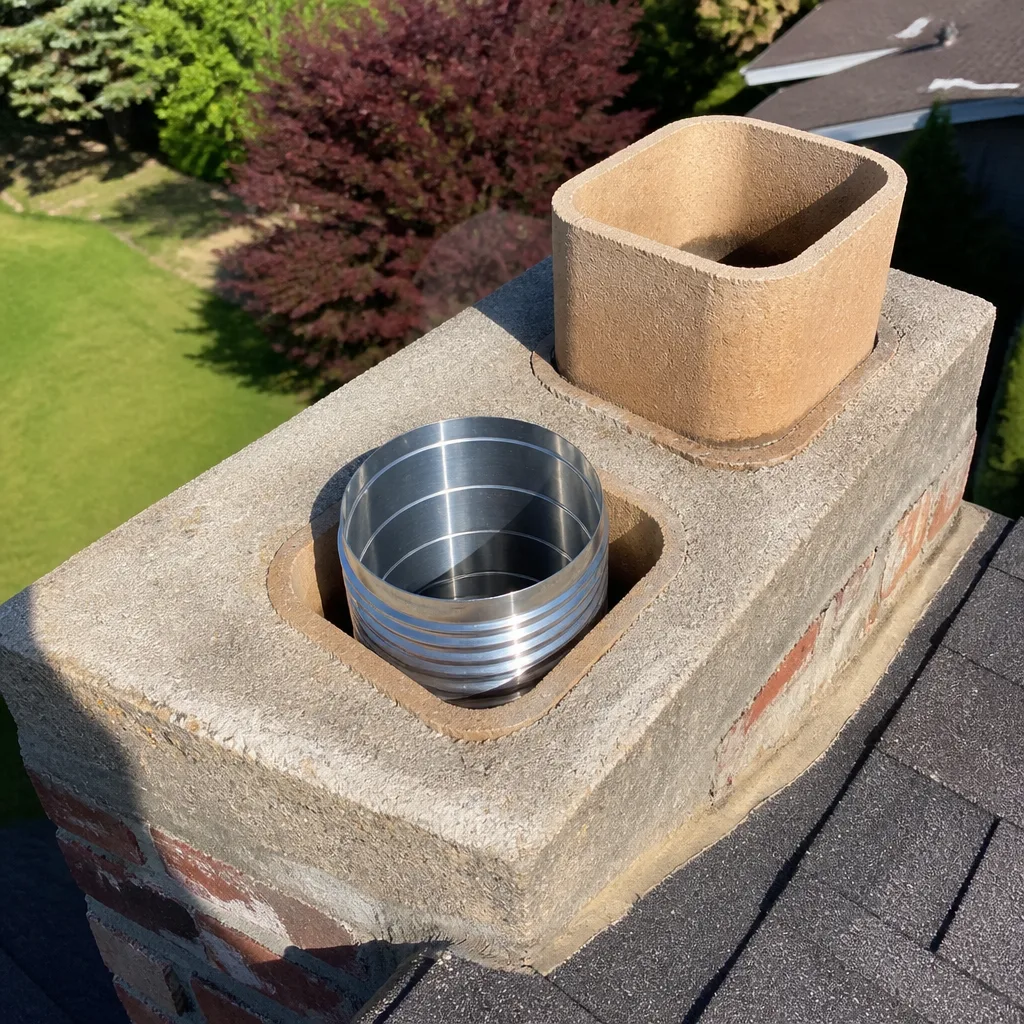 Flue relining
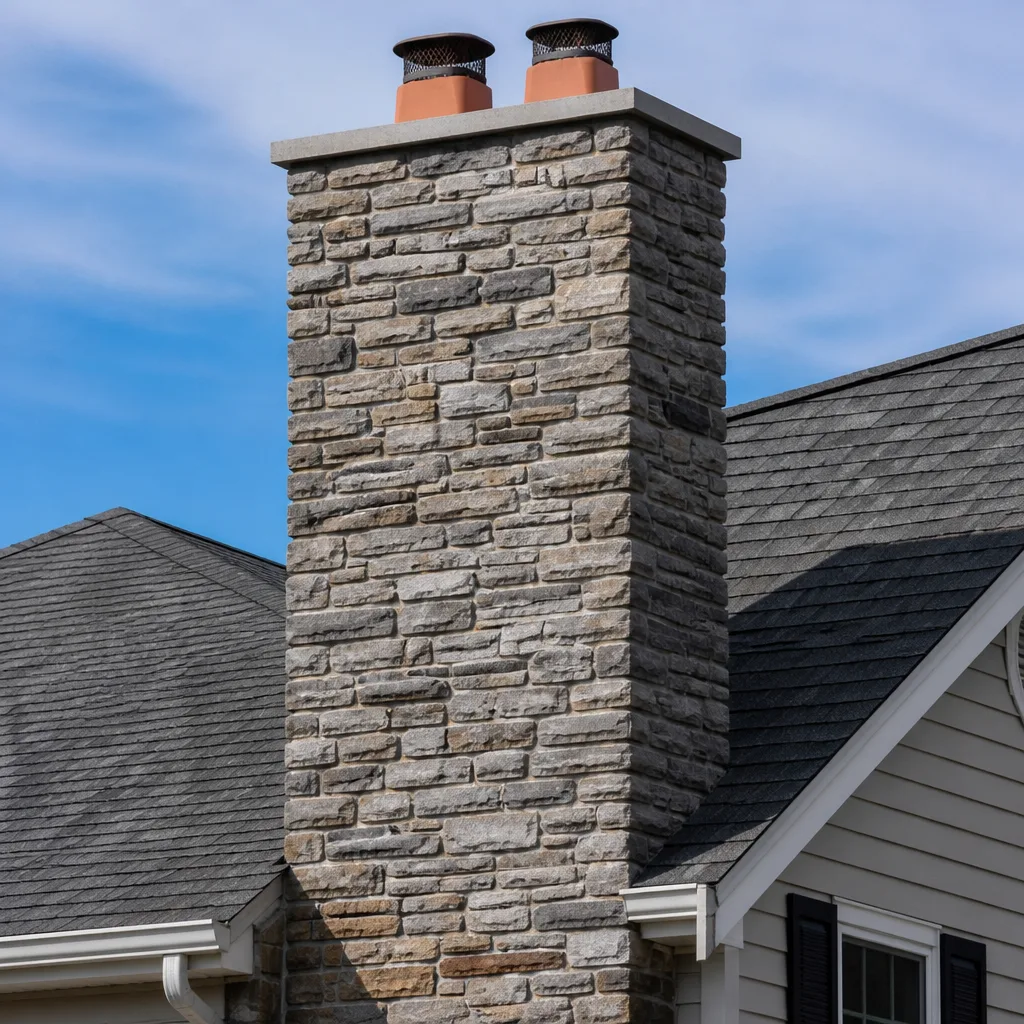 Masonry repair
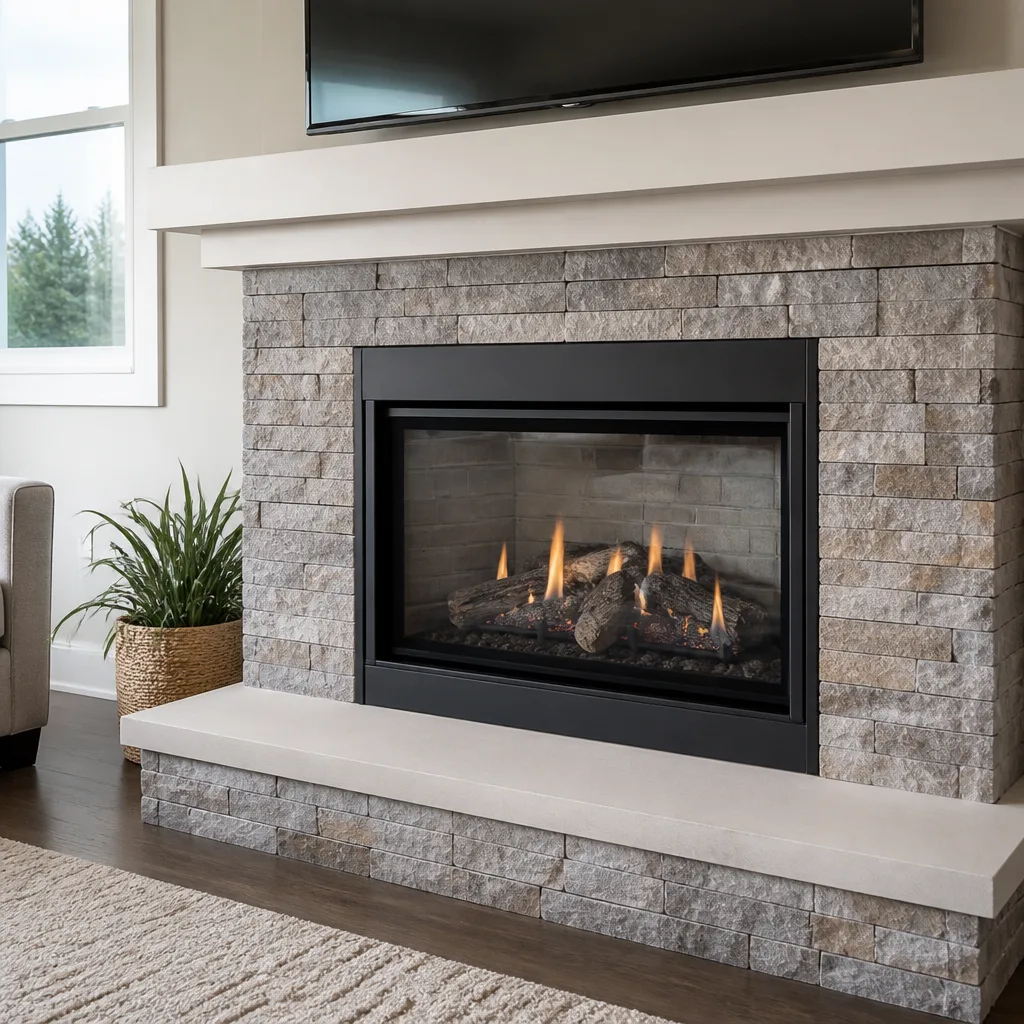 Gas fireplace service
Level 1 sweep and inspection to the NFPA 211 annual standard - flue, crown, cap, and flashing checked and photographed
Chimney sweep logs do not sweep chimneys. They loosen some creosote - which then falls where a brush and vacuum still have to collect it.
How to Hire a Chimney Cleaning Contractor in Tustin: A Step-by-Step Guide
Most homeowners assume the person holding the brush knows what they’re looking at. In our experience around Orange County, that’s the gap nobody warns you about: plenty of chimney cleaning calls are handled by general handyman services that either sub the work out or skip the camera scan entirely. You don’t discover the problem until a code inspection or an insurance claim surfaces it. This guide walks the full vetting process for hiring a chimney cleaning contractor in Tustin, from what certification actually covers to the five questions to ask before you book, so you can tell a real specialist from a generalist with a brush set.
Quick Answer
To hire a chimney cleaning contractor in Tustin, verify CSIA certification for cleaning and inspection work, ask whether the contractor performs a camera scan with a written report, and confirm the contractor uses professional-grade materials and carries liability insurance. A qualified chimney sweep in Tustin should be a chimney-only specialist who can handle the sweep, the inspection, and any repair found without handing you off to a subcontractor.
Styles & brands we work with
- Sweep & inspection
- Caps & crowns
- Flue relining
- Masonry repair
- Gas fireplace service
Table of Contents
- Why Hiring the Right Chimney Contractor Matters in Tustin
- CSIA vs. NFI Certification: What Each One Covers
- The Five Questions to Ask Before Booking
- Red Flags in Low-Bid Chimney Services
- How to Verify a Contractor’s Work History in Tustin
- Masonry vs. Prefab: Why Your Fireplace Type Changes the Job
- What a Legitimate Written Estimate Includes
- Materials and Brands: What a Specialist Specifies
Why Hiring the Right Chimney Contractor Matters in Tustin
Tustin’s housing stock spans a wide range. You’ll find older masonry fireplaces in established neighborhoods and prefabricated metal fireplaces and gas inserts in the more recent builds and renovations throughout the city. Those two systems require different access techniques, different cleaning tools, and different inspection standards. A contractor who only knows masonry will improvise on a prefab unit, and improvisation in a flue is where damage happens.
The climate here matters too, but not the way many homeowners assume. Our winters are mild, and a wood-burning fireplace often goes months between fires. In our experience, the pattern we see in Tustin is long idle periods followed by heavy seasonal use. Creosote doesn’t care about the calendar. It builds whether you’re burning or not, and when you finally light a fire after a quiet stretch, you get a hot fire against a loaded flue. That’s the setup for a chimney fire.
Add to that the smoke and carbon monoxide risk that comes with a blocked or deteriorating flue, and it’s clear why an annual inspection matters. A properly vetted chimney sweep in Tustin is not just cleaning a tube. The sweep is verifying that combustion gases have a clear path out of your home. That’s the job. Hiring for it is a decision about who you trust with your household’s air.
One inspection. One company. No subcontractors. That’s the standard worth holding out for when you hire.
CSIA vs. NFI Certification: What Each One Covers
CSIA stands for the Chimney Safety Institute of America. NFI stands for the National Fireplace Institute. Both are recognized credentials, but they cover different ground, and knowing the difference tells you whether a contractor is qualified for the work you actually need.
What CSIA certification covers
CSIA certification is the one that matters most for chimney cleaning and inspection. It focuses on the sweep and inspection side of the trade: how to clean a flue without damaging the liner, how to read the inside of a chimney, how to identify hazards, and how to document findings. If your job is a routine annual sweep and a safety inspection, CSIA certification is the credential to look for first.
What NFI certification covers
NFI certification is weighted toward hearth appliances and installation. It’s relevant when the work crosses into fireplace and venting systems, particularly gas and prefab units. For cleaning-only work, NFI is a bonus rather than the core credential. For repair work, it’s a useful signal that the contractor understands how the appliance and its venting interact.
The practical takeaway
For a cleaning-only visit, prioritize CSIA. For repair work on a fireplace or insert, you want a contractor who can demonstrate knowledge of both the appliance and the flue. Here’s the catch certification alone won’t tell you: it doesn’t confirm the contractor carries the right tools for your specific system, uses professional-grade materials, or knows the housing types in Tustin’s older neighborhoods. Certification gets you past the first gate. The rest of this guide handles the others.
The Five Questions to Ask Before Booking
These five questions will separate a specialist from a generalist faster than any review you can read. Ask them on the phone, before you commit to a booking.
- How will you access the liner, and do you use a camera? A legitimate sweep will explain the access method for your specific fireplace type and confirm that a camera scan is part of the job. If the answer is vague, that’s the signal.
- Do you provide a camera scan, and do I get the photos? A camera inspection should be documented. The images are your evidence of the flue’s condition. You should be able to see what the contractor sees, not just hear a description.
- What format is the written report? A verbal summary over the phone is not a report. Ask whether you receive a written report and what it includes: findings, photos, and recommended next steps.
- What materials do you use for any incidental sealing or repair? Look for professional-grade products specified by name, not hardware-store caulk. Ask which product and why. A specialist can explain the choice.
- Can you confirm your liability insurance? Chimney work involves heights, soot, and your home’s interior. Ask for proof of liability coverage and verify the certificate names the right entity.
If a contractor stalls on any of these, especially the camera documentation, that’s your answer. The best time to find out is before they’re on your roof.
Red Flags in Low-Bid Chimney Services
The lowest bid on chimney work is often low for a reason that has nothing to do with efficiency. In our experience, the same warning signs show up again and again.
- Flat-rate pricing that ignores liner type and creosote stage. A cleaning price should reflect whether you have a masonry flue or a prefab system, and how much creosote has accumulated. A one-size price across every situation means the bid wasn’t built for your chimney.
- No camera scan offered. Cleaning without inspection is guesswork. If a contractor won’t scan the flue, they can’t tell you its condition, and neither can you.
- Verbal-only findings. “It looks fine” is not documentation. You want a written report with photos you can keep.
- No written estimate. An estimate you can read later, line by line, is the only estimate worth signing. A quote given over the phone with no paper behind it leaves too much unresolved.
- Subbing the work out. When a generalist takes your call and sends someone else, you’ve lost the single-provider chain of accountability. The person who inspected isn’t the person who repairs.
- Recommending major work before showing the evidence. If a contractor jumps to “you need a new liner” without a camera scan and a report, ask to see the images. Nothing should be recommended without evidence you can see for yourself.
The pattern behind all of these: no documentation. A specialist documents. A generalist improvises.
How to Verify a Contractor’s Work History in Tustin
Not all work experience is equal. You want evidence the contractor has handled Tustin and Orange County fireplace systems specifically, because the housing mix here is not uniform. Here’s how to check.
- Ask about the fireplace types they handle. A contractor who has worked the range of Tustin’s housing understands both the older masonry fireplaces in established neighborhoods and the prefabricated units common in newer builds and remodels. Ask them to describe how the job changes between the two.
- Ask about access techniques for prefab units. Prefab fireplaces often require different cleaning and inspection access than masonry chimneys. If the contractor can’t explain the difference, they may have worked mostly masonry and will improvise on your system.
- Ask what they typically find in Orange County’s mild-winter homes. A contractor with real local history will describe seasonal use patterns and creosote accumulation without prompting. Vague answers mean vague experience.
- Check references and documentation from past jobs. Ask to see a sample written report. Ask for references. Then follow up.
- Confirm the report structure they use. A contractor who documents consistently, job after job, has a process. Ask what that process looks like from arrival to departure.
This is where a chimney-only specialist has a structural advantage. A multi-trade company handles chimneys as one of many jobs and can’t build the same depth of experience across Tustin’s fireplace systems. When checking work history, you’re really asking: is chimney work this contractor’s whole trade, or a side job?
Masonry vs. Prefab: Why Your Fireplace Type Changes the Job
The single biggest question to resolve before booking is what kind of fireplace you have. It changes the tools, the inspection approach, and the repair options available afterward.
Masonry fireplaces
A masonry fireplace is built from brick or stone with a clay tile flue liner, or a liner of another material installed inside the chimney. Cleaning it involves proper brush tools matched to the flue size, and inspection means verifying that the liner is intact and free of gaps or cracks. Repair options include resurfacing the flue. Systems like HeatShield restore a damaged ceramic liner without replacing the whole thing, which is often a cost-saving, code-compliant route where full replacement isn’t required.
Prefabricated fireplaces
A prefab fireplace uses a factory-built metal firebox and a metal venting system. The cleaning tools and access techniques differ, and the inspection has to check the venting, connections, and firebox integrity rather than masonry joints. Prefab units aren’t inherently more or less reliable than masonry, but they are less forgiving of being serviced by someone who only knows brick. If your contractor can’t talk through prefab venting access, keep looking.
Why this decides your hire
Ask the contractor directly: “How does the job change between my fireplace type and the other?” A qualified chimney sweep will answer this fluidly. A generalist will reach for generalities. This one question tells you more about depth of knowledge than any credential on a website.
What a Legitimate Written Estimate Includes
A written estimate is where a vague quote gets resolved. The rule is simple: if it isn’t on paper, it isn’t an estimate. Here’s what to look for, with line-item examples of the shape a legitimate estimate takes.
| Line item | What it should say |
|---|---|
| Chimney sweep | Scope of cleaning, flue type, and what’s included in the sweep |
| Camera inspection | What the scan covers and that a photo report is included |
| Report format | Written findings with photos, delivered how and when |
| Repair scope (if needed) | Specific work described by name, with no “and related items” |
| Materials specified | The product named for any repair or sealing work |
| Pricing | Per-line item, with the written estimate as the final price |
What a vague quote leaves unresolved: which fireplace type is being serviced, whether an inspection is included, whether photos are provided, and what the repair actually covers. Those gaps become arguments later. A written estimate closes them before work begins.
Ask for the estimate in writing, every time. The best contractors write the same estimate the same way, job after job. That consistency is the real proof of a process.
Materials and Brands: What a Specialist Specifies
The materials tell you whether you’re dealing with a specialist. A specialist names the product and explains the choice. A generalist reaches for whatever’s on the shelf.
We specify DuraFlex because it’s a professional-grade liner system built for full relining where restoration isn’t sufficient. We specify HeatShield for ceramic flue resurfacing, a liner restoration method recognized by the CSIA that can be code-compliant without a full liner replacement. We use Famco and Copperfield for caps, which signals we’re not improvising on the two most common points of water intrusion. The reason isn’t brand loyalty. It’s that these are the materials certified sweeps specify, and they’re what the work is designed around.
When you hire a contractor, ask which product they’d use for any incidental sealing or repair, and why. A specialist walks you through it, naming the product. If the answer is “the standard stuff,” you haven’t found a specialist yet.
Materials also tie into what happens after the inspection. Camera-scanned, documented findings tell you whether the right repair is resurfacing, relining, or something a chimney cap and crown can protect against better than a patch. You don’t guess. You see the evidence and specify from there.
Common Mistakes to Avoid
- Hiring a handyman who adds chimney work to the menu. Chimney work is a trade, not a checkbox. A generalist may sub the job out or skip the inspection entirely, and you won’t find out until an insurance claim surfaces the gap.
- Comparing flat rates without comparing scope. Two bids on the same chimney can cover wildly different work. One includes a camera scan and report; the other doesn’t. A low bid on different scope isn’t a lower price.
- Accepting a verbal report. No photos, no written report, no evidence. You need documentation you can keep and refer to, especially in Tustin’s older neighborhoods where fireplace systems have seen decades of use.
- Skipping the fireplace-type question. If the contractor doesn’t ask whether you have masonry or prefab, they can’t have matched the tools to the job. Ask for them.
- Approving major repair without camera evidence. Nothing should be recommended without images you can see. If the contractor jumps to a liner replacement before the scan, ask to see the flue first.
- Letting the inspection lapse between seasons. Long idle periods followed by heavy seasonal use are exactly when creosote-loaded flues get tested. In our experience across Tustin, a quiet off-season is not evidence the chimney is ready.
- Assuming a cap and crown are cosmetic. They’re the two most common points of water intrusion into a chimney. Neglecting them is one of the ways a healthy flue becomes a repair job.
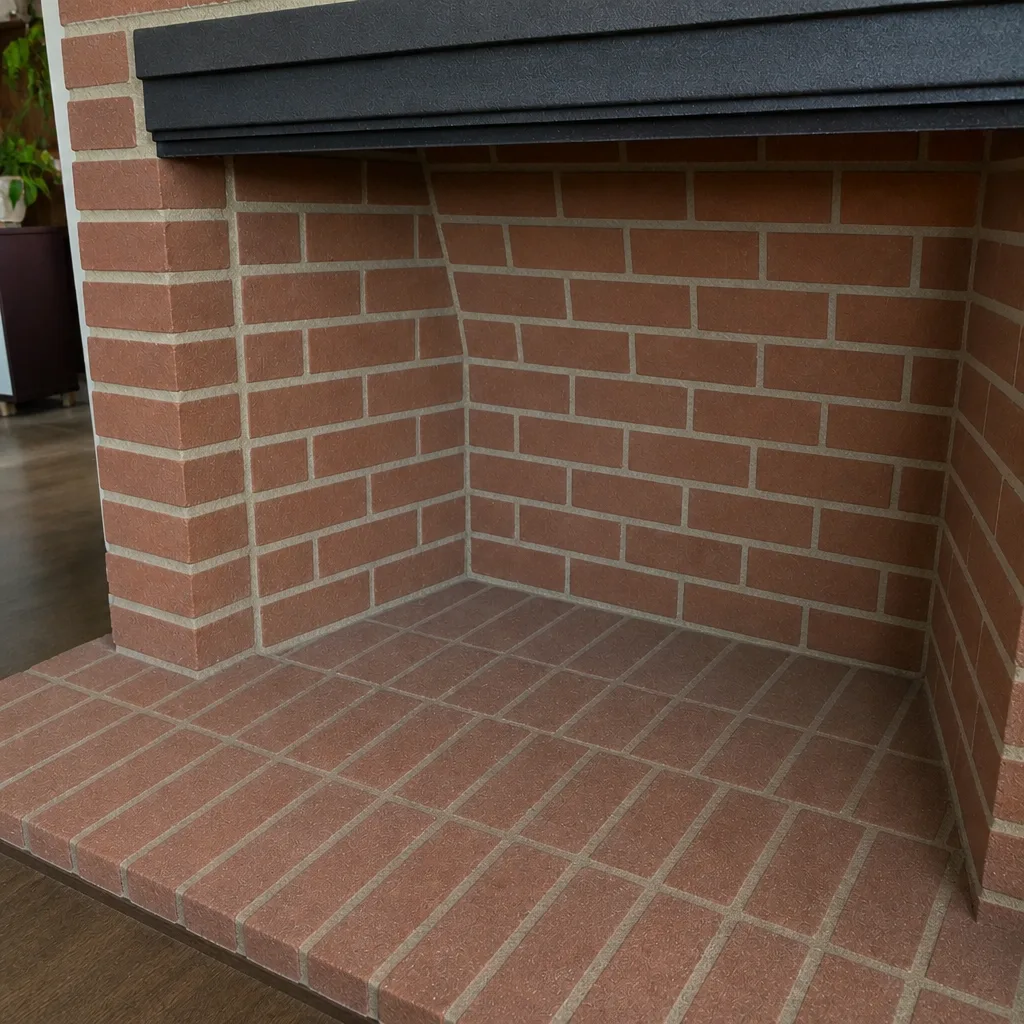
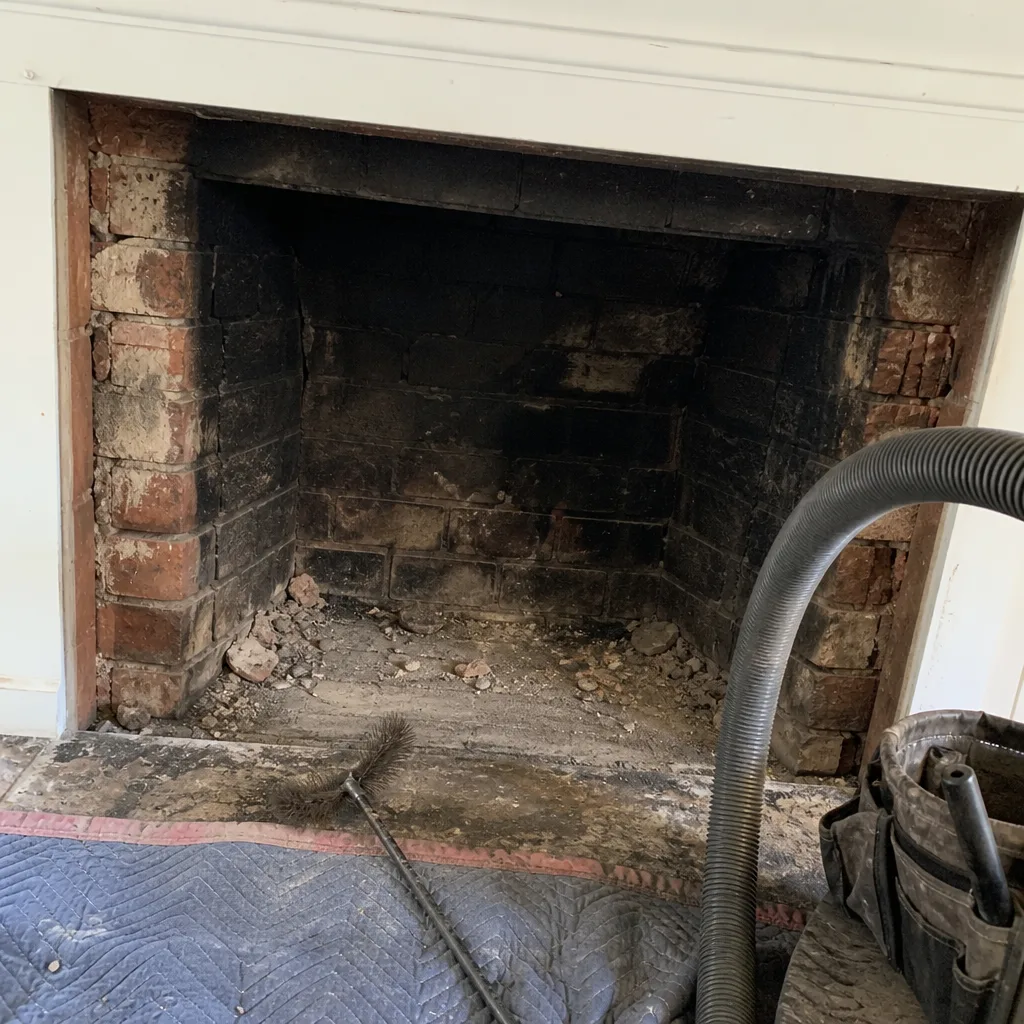
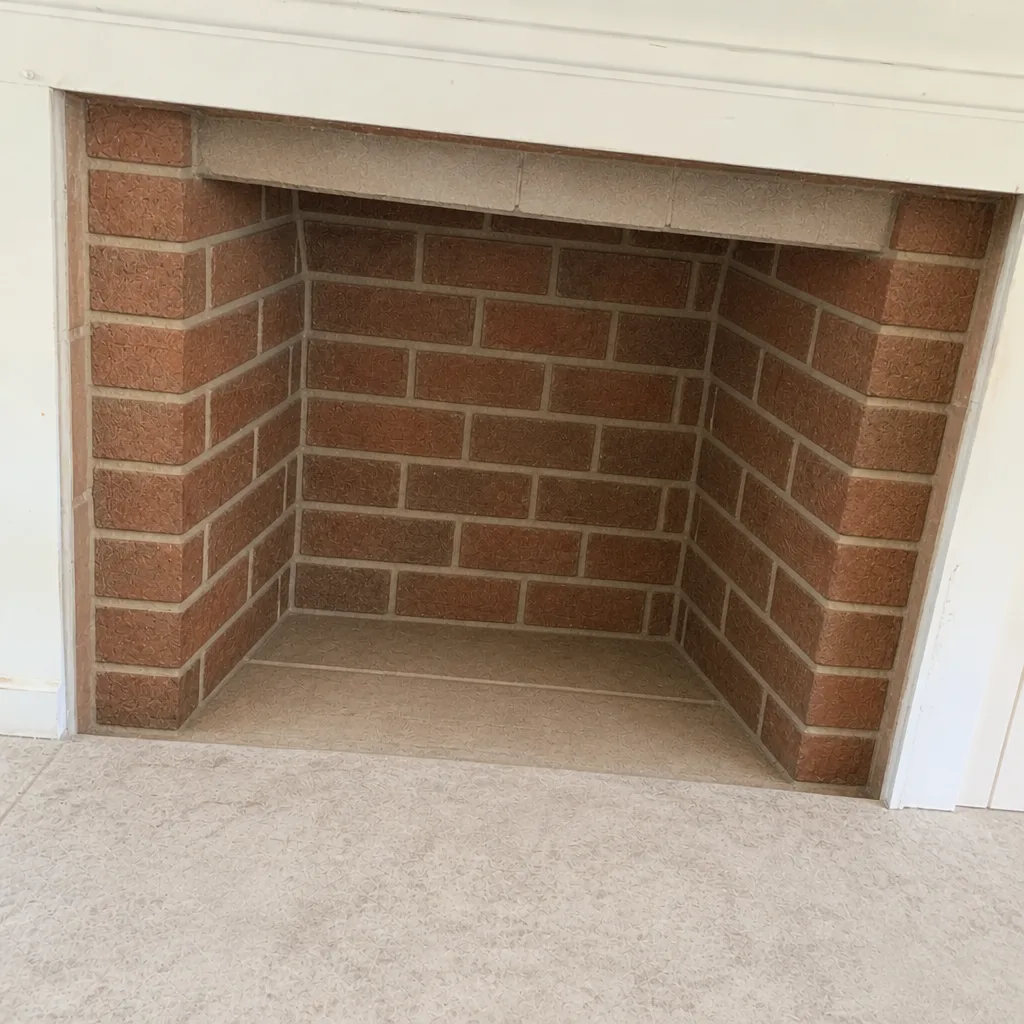
See the difference
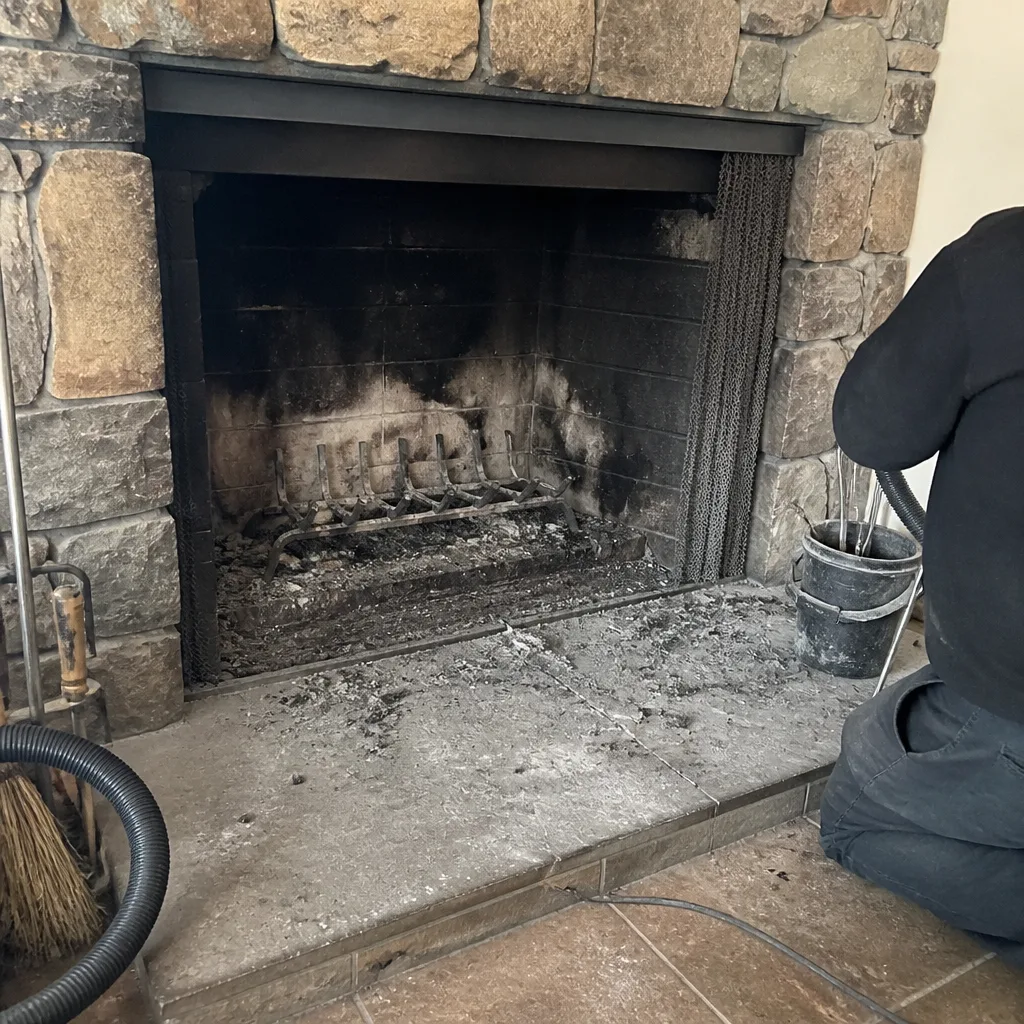 Before
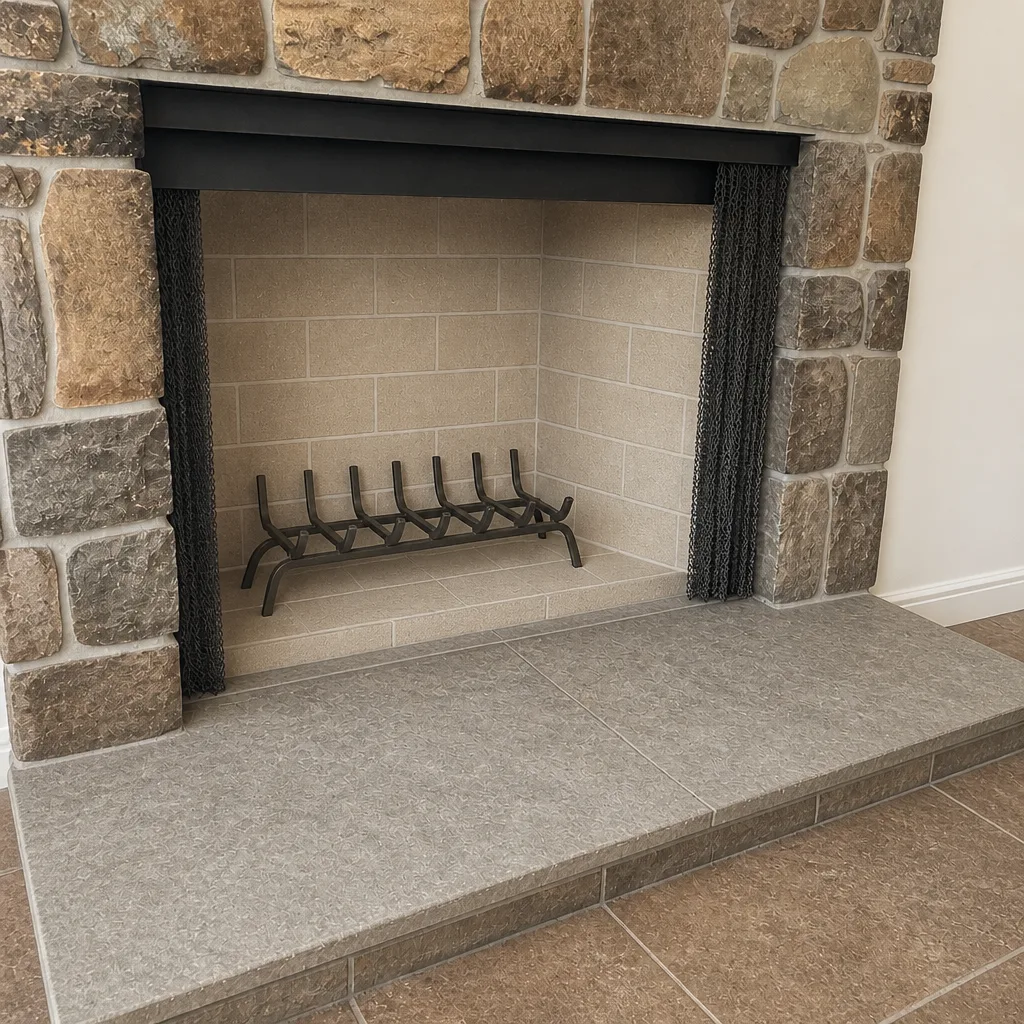 After
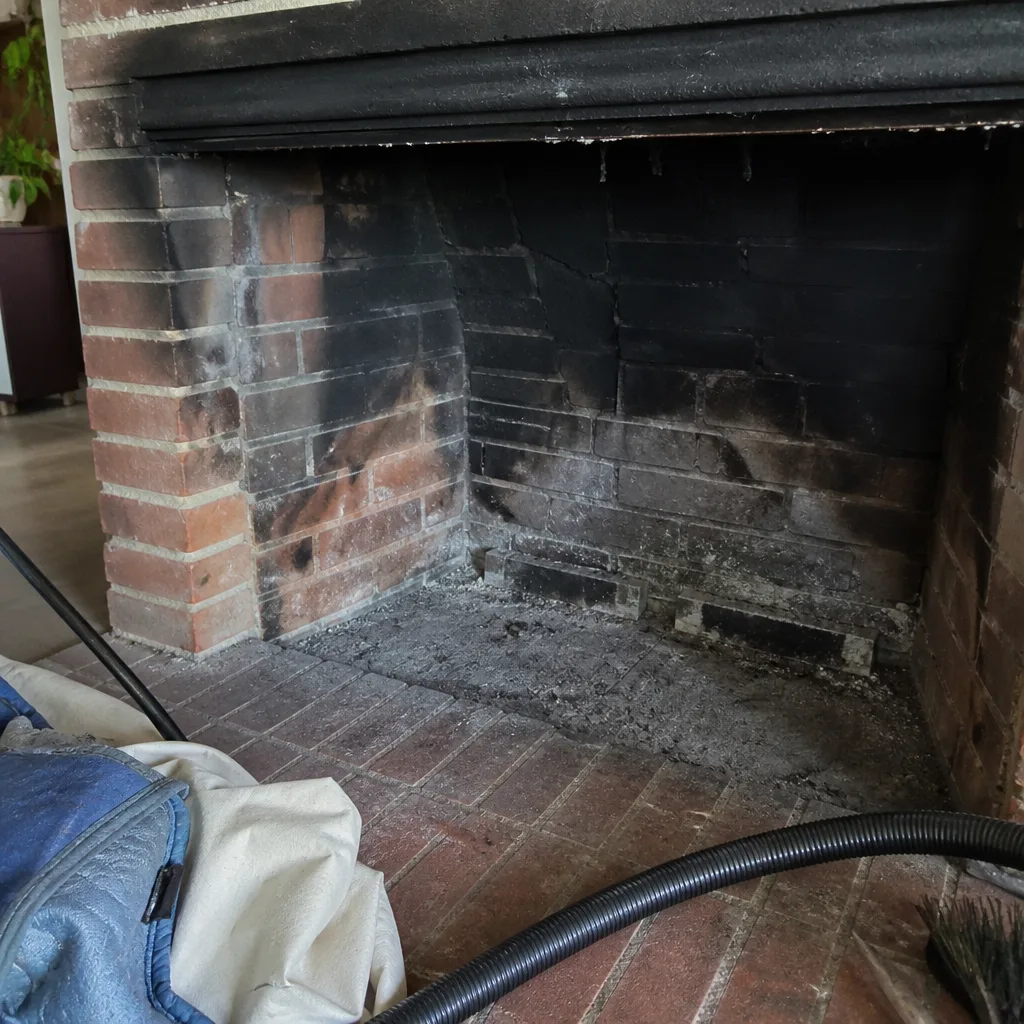 Before
 After
 Before
 After
When to Call a Professional
Some signs mean book a visit rather than figure it out later. Call if you’ve never had the flue inspected and you burn wood regularly. Call if you’ve moved into a home in Tustin and don’t know the fireplace’s history, including which type it is. Call if smoke backs up when you light a fire, if the fire struggles to draw, if you see staining around the firebox, or if there’s creosote visible in the flue. Call before your burning season starts, not after. Call if you’re buying or selling a home and want documentation of the chimney’s condition. And call if you had work done previously that you can’t verify with photos or a written report; an independent inspection is worth having on record. Tustin Chimney Sweep offers free estimates in Tustin. Call (877) 770-1857.
Frequently Asked Questions
A chimney sweep in Tustin is priced per job by the written estimate, which is set after the contractor confirms your fireplace type and the state of the flue. Pricing reflects whether you have masonry or prefab, the creosote stage, and whether an inspection and report are included. Call (877) 770-1857 for an exact quote; estimates are free.
Not always. A damaged ceramic flue can sometimes be resurfaced with a system like HeatShield instead of fully relined with a product like DuraFlex. The right answer comes from a camera scan you can see, not from a verbal recommendation. Ask to see the images before you approve anything. Call (877) 770-1857 to book an inspection.
Annual inspection is the standard to hold, and cleaning depends on how much you burn and what you burn. In our experience in Tustin’s mild winters, the risk comes from long idle stretches followed by heavy seasonal use. Book before the burning season, not after. Call (877) 770-1857 to schedule.
Creosote keeps building whether you burn or not, and a blocked or damaged flue can restrict combustion gases, which raises smoke and carbon monoxide risk. The job of the sweep and inspection is to verify that gases have a clear path out of the home. That’s a safety check, not a tune-up. Call (877) 770-1857.
Yes. Prefab fireplaces use metal venting and require different access and inspection techniques than masonry chimneys, and a contractor who works mostly brick may improvise on a prefab flue. Ask any contractor to explain how the job changes between the two types. Call (877) 770-1857 if you’re unsure which type you have.
For cleaning and inspection work, CSIA certification is the credential to prioritize, with NFI a useful signal for repair and fireplace work. Certification gets you past the first gate, but also ask about camera documentation, written reports, materials specified by name, and liability insurance. Call (877) 770-1857 to book a documented inspection.
The Bottom Line
Hiring a chimney cleaner in Tustin comes down to evidence. Verify CSIA certification for cleaning and inspection. Ask the five questions before you book: access method, camera scan policy, written report format, materials specified for any repair, and liability insurance. Treat red flags like no camera scan or verbal-only findings as your answer. Confirm the contractor understands Tustin’s masonry and prefab mix, and get a written estimate that names the product for any repair. A specialist documents, specifies professional-grade materials like DuraFlex or HeatShield by name, and handles the sweep, the inspection, and any repair as one provider. That’s the standard worth paying for.
If you’re ready for a documented inspection, or you’re not sure which fireplace type you have, call Tustin Chimney Sweep at (877) 770-1857 for a free estimate. We answer 24/7. Fast dispatch from 7am to 7pm, Sunday through Friday. One inspection. One company. No subcontractors. Our technicians have up to 10 years of experience, and we work with the professional-grade product lines that certified sweeps specify. You can also read more about our Tustin Chimney Sweep services, or learn what a chimney sweep visit covers, how fireplace repair handles prefab and masonry units, and what chimney repair can restore without a full reline.
Written by the team at Tustin Chimney Sweep.