
Last updated November 25, 2026
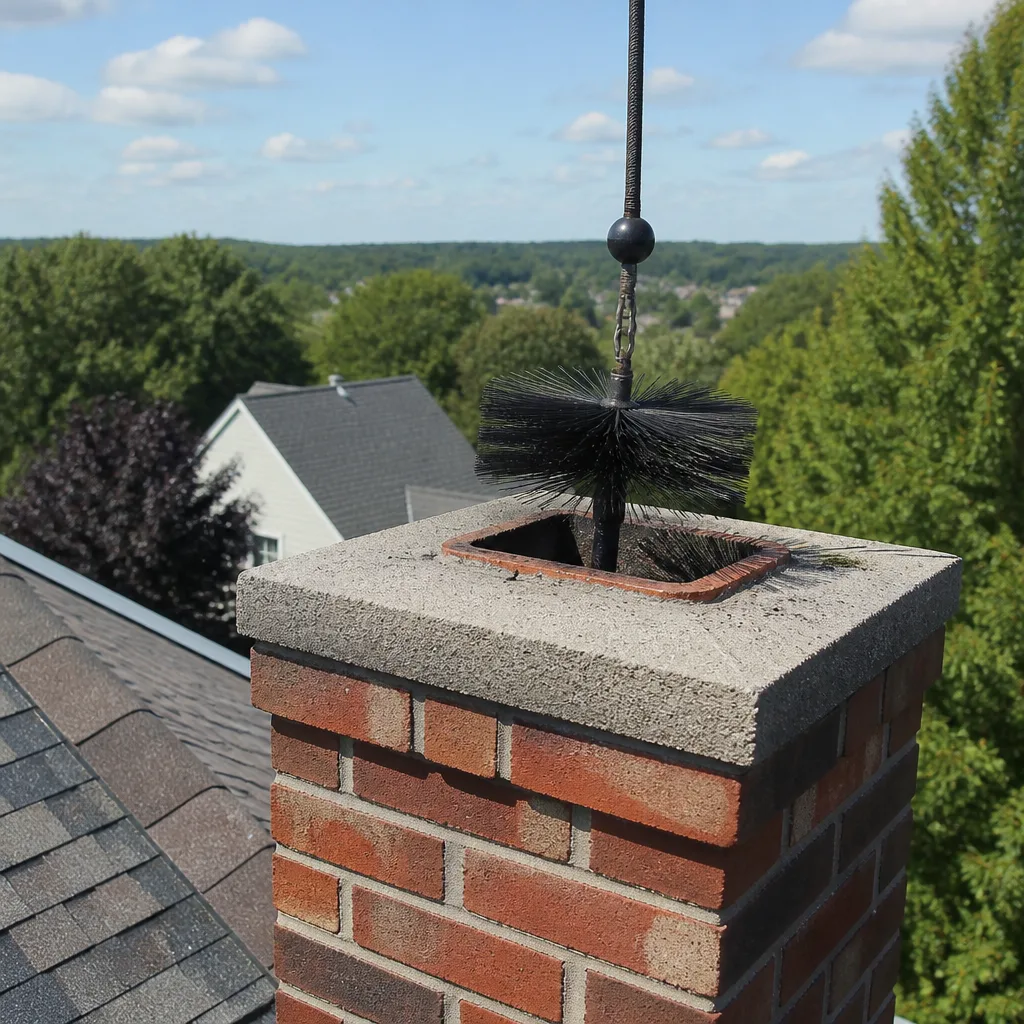 Sweep & inspection
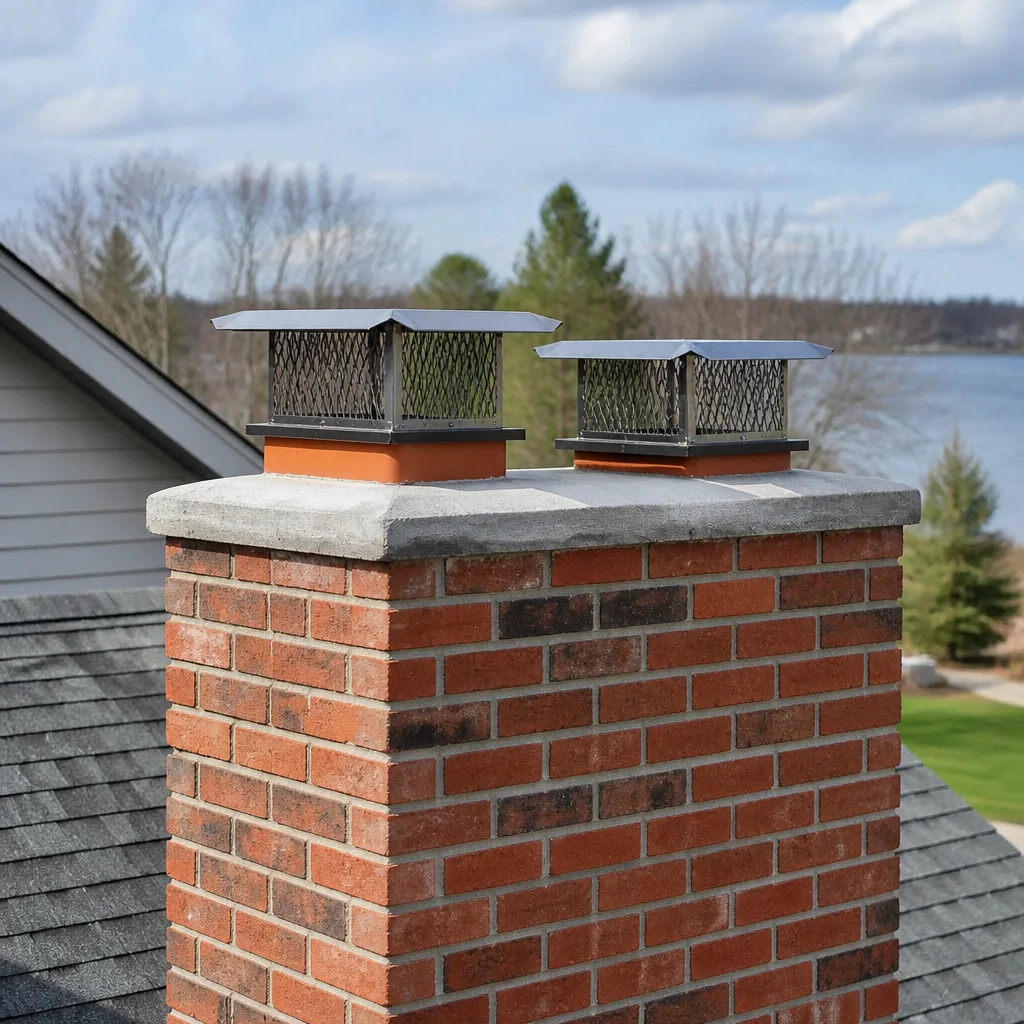 Caps & crowns
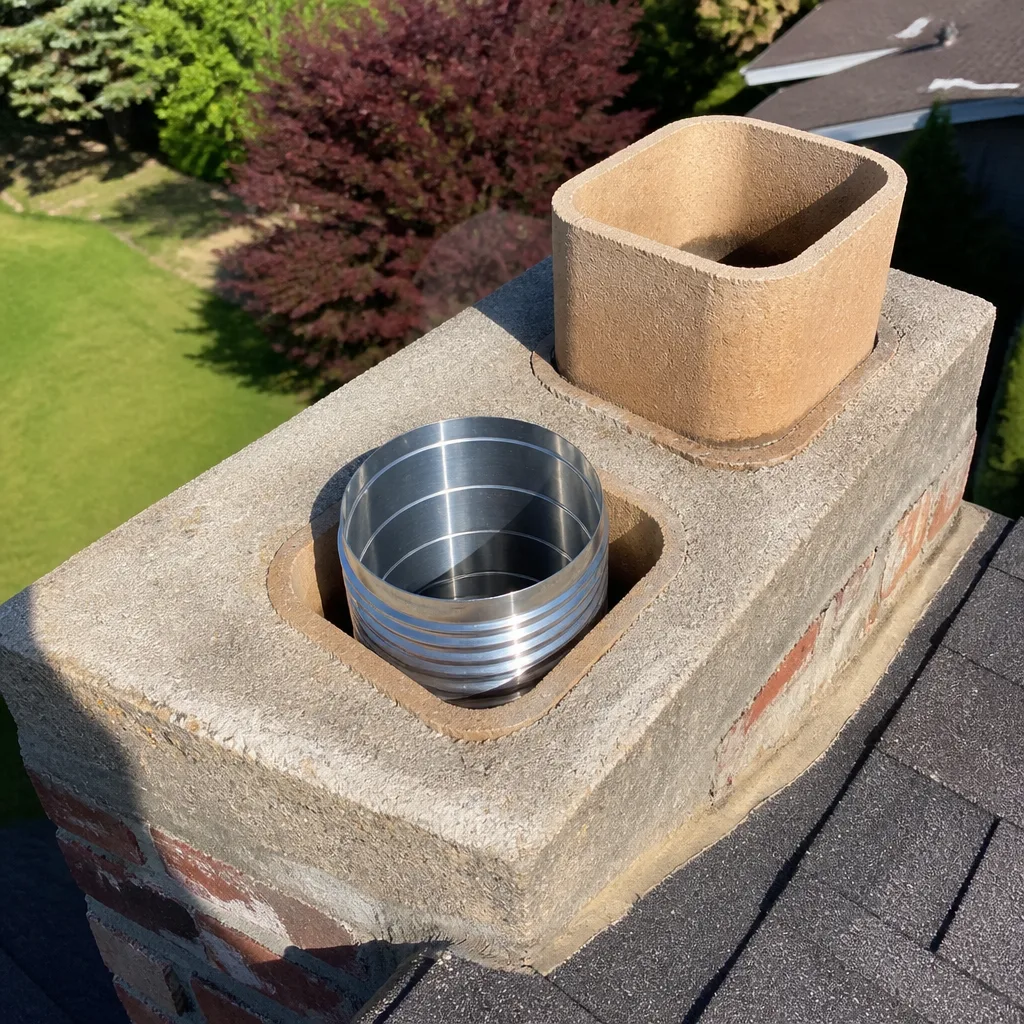 Flue relining
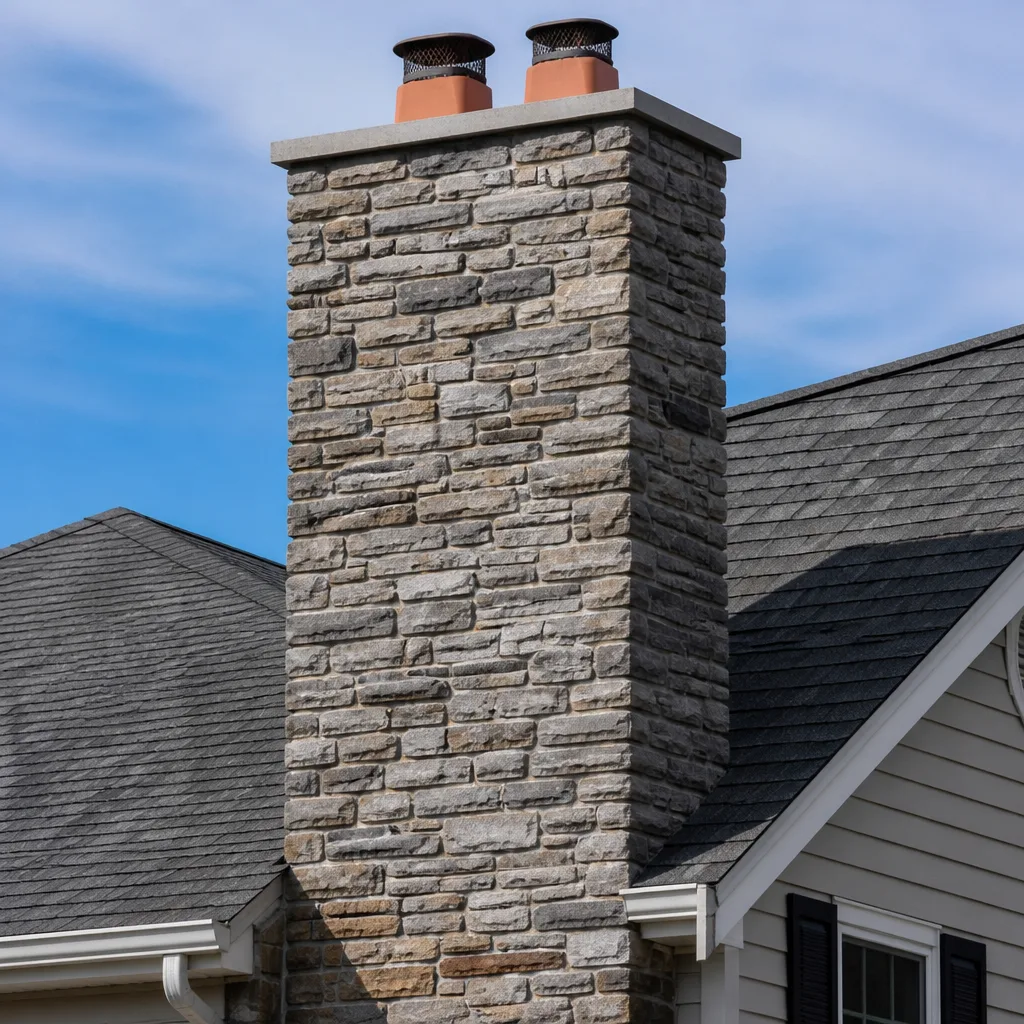 Masonry repair
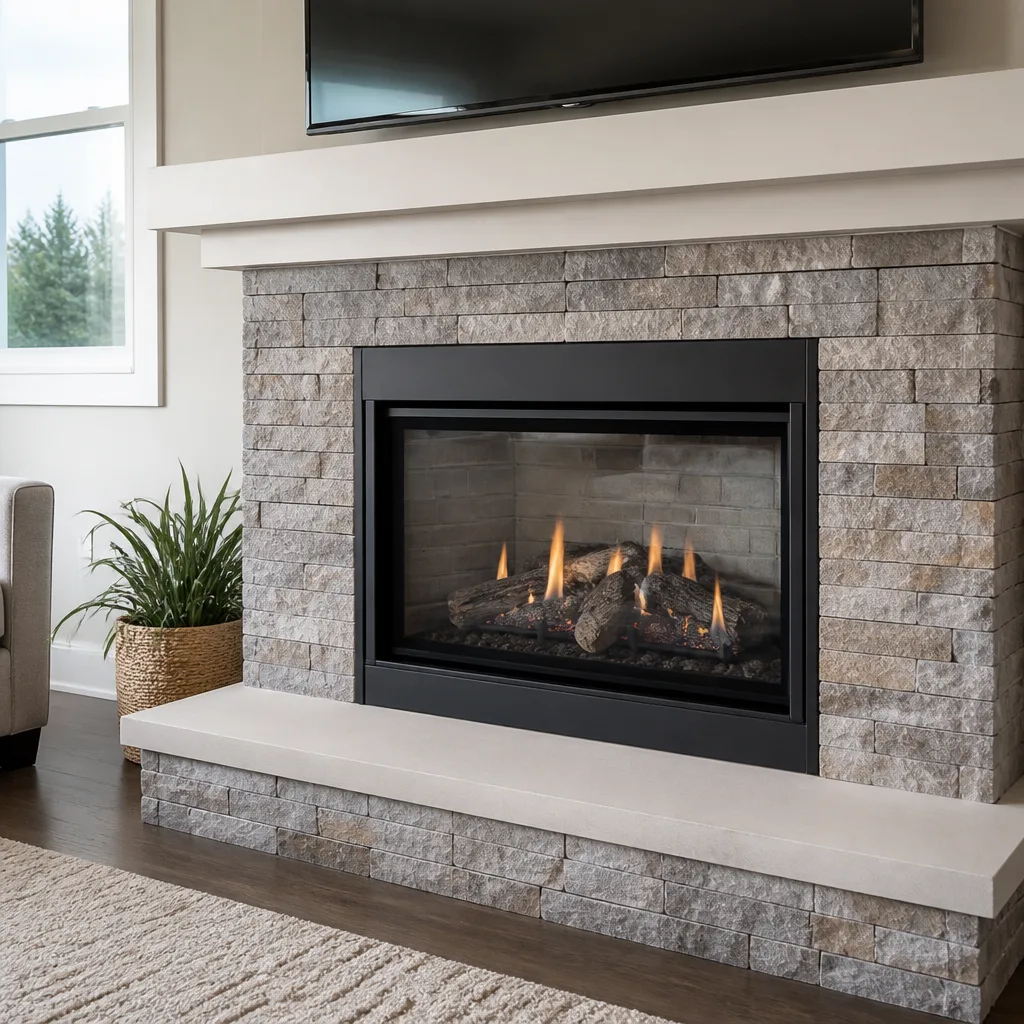 Gas fireplace service
Level 1 sweep and inspection to the NFPA 211 annual standard - flue, crown, cap, and flashing checked and photographed
Chimney sweep logs do not sweep chimneys. They loosen some creosote - which then falls where a brush and vacuum still have to collect it.
Chimney Cleaning Emergency Preparedness Guide for Tustin Homes
Most homeowners picture a chimney fire as something loud and obvious: roaring flame, a sound like a freight train, sparks at the cap. That happens. But the chimney fires that quietly destroy flues in Tustin homes are often the opposite. A slow-burn fire can push the flue past 1,000°F while producing no visible flame and no dramatic noise, and by the time anyone notices, the liner is already fractured. This guide covers how to catch that scenario early, what to do during a confirmed fire, and the mandatory steps after one. You’ll learn the cues that separate normal combustion from a slow-burn event, how a Level 2 NFPA 211 inspection works, and what to gather for an insurance claim.
Quick Answer
If you suspect a chimney fire, close the damper, move everyone outside, call 911, and do not reopen the firebox to check. After any chimney fire, the chimney must be inspected at Level 2 per NFPA 211 before it’s used again, because slow-burn fires often leave liner fractures that are invisible from the firebox. The inspection includes a camera scan of the full flue, and it’s the only way to confirm whether the liner survived.
Styles & brands we work with
- Sweep & inspection
- Caps & crowns
- Flue relining
- Masonry repair
- Gas fireplace service
Table of Contents
- What a Slow-Burn Chimney Fire Actually Looks Like
- How to Identify a Fire in Progress
- Immediate Action Protocol for a Confirmed Fire
- Why a Level 2 Inspection Is Mandatory After Any Fire
- What to Document for Your Insurance Claim
- Pre-Season Preparedness for Tustin Homes
- Same-Day Repair and What Happens When You Call
What a Slow-Burn Chimney Fire Actually Looks Like
A slow-burn chimney fire starts the same way most chimney fires do: with creosote. Cooler flue temperatures and restricted draft let creosote build up on the liner wall. Once it reaches the right concentration and temperature, it ignites. What makes a slow-burn fire different is the pace. Instead of a sudden flash of flame, the creosote burns in stages, and the flue heats steadily rather than dramatically.
In our experience, that’s exactly why these events go undetected. The firebox looks normal from inside the house. There’s no flame visible anywhere the homeowner can see. The flue climbs toward 1,000°F and higher, and the damage happens in the liner, not on the hearth.
Contact damage from a slow-burn fire usually shows up as circumferential cracking in the clay tiles, spalling, or separation at the joints. In metal liners, it can appear as warping or seal failure. None of that is visible during a visual check from the firebox looking up with a flashlight. It’s only visible on camera.
What Tustin’s climate contributes
The mild winters here mean fireplaces are often used for ambiance rather than as a primary heat source. Homes in neighborhoods like Old Town Tustin, Peppertree, and Tustin Ranch will burn a fire for an evening and then not light one again for weeks. That on-and-off usage pattern favors creosote accumulation, because the flue operates below peak temperature and never fully burns off the deposits. An occasional chimney sweep and a proper inspection are what catch this before the next ignition event. This is a chimney-only specialty, and it pays to have a crew who handles the cleaning, the inspection, and any repair found without handing you off to a subcontractor.
How to Identify a Fire in Progress
The single best indicator is smell. A slow-burn chimney fire produces a hot, acrid, chemical smell in the living space that doesn’t match a normal wood fire. Some homeowners describe it as burning plastic, hot metal, or scorched dust. If you can’t place the smell and you’ve got a fire going, that’s your cue to close the damper and get out.
Second cue: smoke color. A normal fire has thin, grayish smoke at the chimney top. A chimney fire produces thick, dark smoke, sometimes with a sudden burst of density at the cap. From outside the house, that contrast is obvious.
The cues that distinguish slow-burn from normal combustion
- Smell: acrid, hot-metal, or plastic-adjacent odor in the living space, not a normal wood-smoke smell.
- Smoke color: thick black or dark brown smoke at the cap, often in bursts.
- Damper temperature: the damper handle or the heat exchanger toward the top of the firebox feels noticeably hotter than it should for the fire you’re running.
- Sound: a low roaring or humming in the flue, distinct from the crackle of a fire.
- Draft behavior: sudden, strong draft pulls, or smoke puffing back at the damper that wasn’t there earlier in the evening.
Combine two or more of those and treat it as confirmed, even if you can’t see flame. If the smell is hot and acrid and the smoke at the cap is thick and dark, don’t spend time diagnosing further. Close the damper and get out.
For a full diagnostic review, our chimney sweep uses camera inspection so you can see the flue for yourself rather than take our word for what’s inside it.
Immediate Action Protocol for a Confirmed Fire
The sequence matters. Here’s the order we recommend and the order we’d run it in ourselves.
The six-step protocol
- Close the damper all the way. Cutting the air supply starves the fire. Don’t stop halfway; close it fully.
- Close glass doors and any firebox dampers. Seal the firebox so no combustion products pull into the room.
- Get everyone outside. Move the household out of the house before you do anything else, including phone calls. Carbon monoxide can build in the living space if a liner has already fractured.
- Call 911 from outside. A chimney fire is a house fire until proven otherwise. The fire department has the equipment to check the roof and the flue from outside, and they’ll confirm whether the fire is out.
- Use a Chimfex fire suppressant if you have one on hand. Chimfex is a chimney fire suppressant stick you ignite and place in the firebox, and it releases a suppressant through the flue. It’s a tool for slowing the fire, not a substitute for the fire department. Use it if it’s within reach; don’t delay the call to find it.
- Do not reopen the firebox to check. Reopening it feeds oxygen back into the flue and can reignite anything that’s still hot. Wait for the fire department to clear the event before you touch anything.
After it’s over, the firebox is still not safe to reuse until an inspection clears it. We’ll cover why that’s non-negotiable in the next section.
Why a Level 2 Inspection Is Mandatory After Any Fire
NFPA 211, the national standard for chimneys, fireplaces, vents, and solid fuel-burning appliances, calls for a Level 2 inspection after any chimney fire. Level 2 includes a camera scan of the full flue, a check of accessible connections, and an assessment of whether the structure is still usable. It’s the required inspection, not a courtesy one.
The reason is the slow-burn problem. A visual check from the firebox cannot see a hairline fracture 8 feet up the flue. It cannot see separation at a tile joint. It cannot see the warping that a metal liner suffers when it’s been pushed past its design limit. The only way to see those is with a camera running the full length of the flue, and something has to be captured on camera before any repair is recommended. That’s the standard we work to: nothing gets added to the estimate without a photo you can review.
What the inspection produces
- Camera footage of the full flue, top to firebox, with stills you keep.
- A written report identifying any cracks, spalling, joint separation, or liner warping.
- A code assessment: whether the chimney is safe to return to service, or what brings it back into compliance.
- If repairs are needed, a written scope with the materials specified by name.
If the flue is intact, you get to use the fireplace again with no additional work. If it isn’t, there are often two paths forward. Some cracks can be resurfaced with a HeatShield ceramic flue system, which restores a damaged clay liner without full replacement. When the damage is worse, a DuraFlex stainless liner is the full-relining option. Either way, the decision follows the camera evidence, not a guess.
If the damage extends beyond the flue into masonry or the firebox, that becomes chimney repair work, and the scope comes from what the inspection shows.
What to Document for Your Insurance Claim
Most homeowner’s policies cover chimney fire damage, but the claim depends on the paperwork. Gather everything before you speak with your adjuster, and don’t let a contractor repair the chimney before it’s documented. Repairs performed before the claim is filed can complicate or void the payout.
The documentation checklist
- Photos of the fire and aftermath: the firebox contents, any smoke damage in the living space, the chimney top, and the roof if there’s visible damage.
- Fire department report: request a copy the day of the event. The fire marshal’s report carries weight with insurers.
- Sweep’s written report: the Level 2 inspection result, including camera stills and the code assessment.
- Liner integrity assessment: whether the ceramic tiles or metal liner survived, and what specifically is damaged and where in the flue.
- Repair estimate with material specifications: the written scope naming what will be used, and the brand of the liner or resurfacing system. An estimate that says “relining” with no material spec is harder for an adjuster to process.
We can work with your insurer on documentation and provide the written estimate with the material line items your adjuster will ask for.
Pre-Season Preparedness for Tustin Homes
Preparedness is mostly about three things: suppressant, carbon monoxide detection, and knowing how to reach your sweep before you need to. None of it takes long, and all of it falls into place before the first fire of the season.
Steps to take before your first fire of the season
- Get a Chimfex suppressant and store it beside the fireplace. It’s a fire suppressant stick, and it needs to be within reach of the firebox, not in the garage. Check the expiration date before the season begins.
- Confirm your CO detector placement. Carbon monoxide is the risk a cracked liner creates, and it’s colorless. There should be a detector on every level of the home and one in or immediately outside each sleeping area. If your only detector is in the hallway, add one near the fireplace room.
- Test the detectors. Do this before the first fire, not after.
- Have a pre-season inspection and cleaning. A chimney sweep before the season removes the creosote load that feeds a fire in the first place. This is also the point where a cap and crown inspection catches water intrusion, the two most common points of leak entry.
- Know your sweep’s phone number before the emergency. Save it in your phone. In a fire, you’re not going to be searching for it.
- Walk the exterior of the chimney. Look for missing cap, cracked crown, or loose masonry. Water damage is a defensive concern, not an emergency one, but it’s easier to address in the cooler months than mid-winter.
We specify product lines we trust for exactly this kind of work: HeatShield for ceramic flue resurfacing, DuraFlex for liner replacement, and Olympia Chimney for other components, because these are the materials certified chimney sweeps specify and the ones adjusters and inspectors know.
Fireplace components don’t last forever, and this is also the right time to look at fireplace repair needs before they turn into something bigger.
Same-Day Repair and What Happens When You Call
If you’ve had a fire, or you suspect one and want the flue checked before you light anything again, the next step is a level 2 inspection with a camera. The price is set per job by the written estimate, and the estimate is free.
What you can expect from us:
- One company handles the sweep, the inspection, and any repair found, so there’s no referral chain between a sweep and someone else who actually does the work.
- We work only in chimney and fireplace, so the crew you call for a sweep is the crew that can read a camera image and specify the right liner.
- Nothing gets recommended that isn’t on camera. If the flue can safely wait for service, we tell you so.
Call Tustin Chimney Sweep at (877) 770-1857. We answer 24/7. Fast dispatch from 7am to 7pm, Sunday through Friday.
Common Mistakes to Avoid
- Reopening the firebox to “check.” Oxygen feeds whatever’s still hot in the flue. Once you’ve closed the damper, leave it closed until the fire department clears the event.
- Skipping the inspection because the fire “didn’t look like much.” Slow-burn chimney fires are exactly the presentation that requires inspection. The smaller the visible event, the more likely the damage is hiding in the flue.
- Repairing the chimney before the insurance claim is filed. Document first, repair second. A pre-claim repair can complicate the payout.
- Waiting on prevention. In Tustin, the mild winters mean the first cold snap draws a lot of homeowners into the same two-week window. Scheduling the sweep before the season, not during it, gets the work done without a wait.
- Trusting a visual check from the firebox. A flashlight and a mirror can’t see a hairline fracture 8 feet up the flue. A Level 2 camera inspection can.
- Buying a cap or liner from a hardware store. A generalist’s spec on a cap or liner isn’t the same as the professional-grade line the trade specifies. The wrong liner for the flue type is a hazard, not a saving.
- Not knowing your sweep’s number. In a fire, you’re already calling 911. You don’t want to be searching for the sweep’s number at the same time.
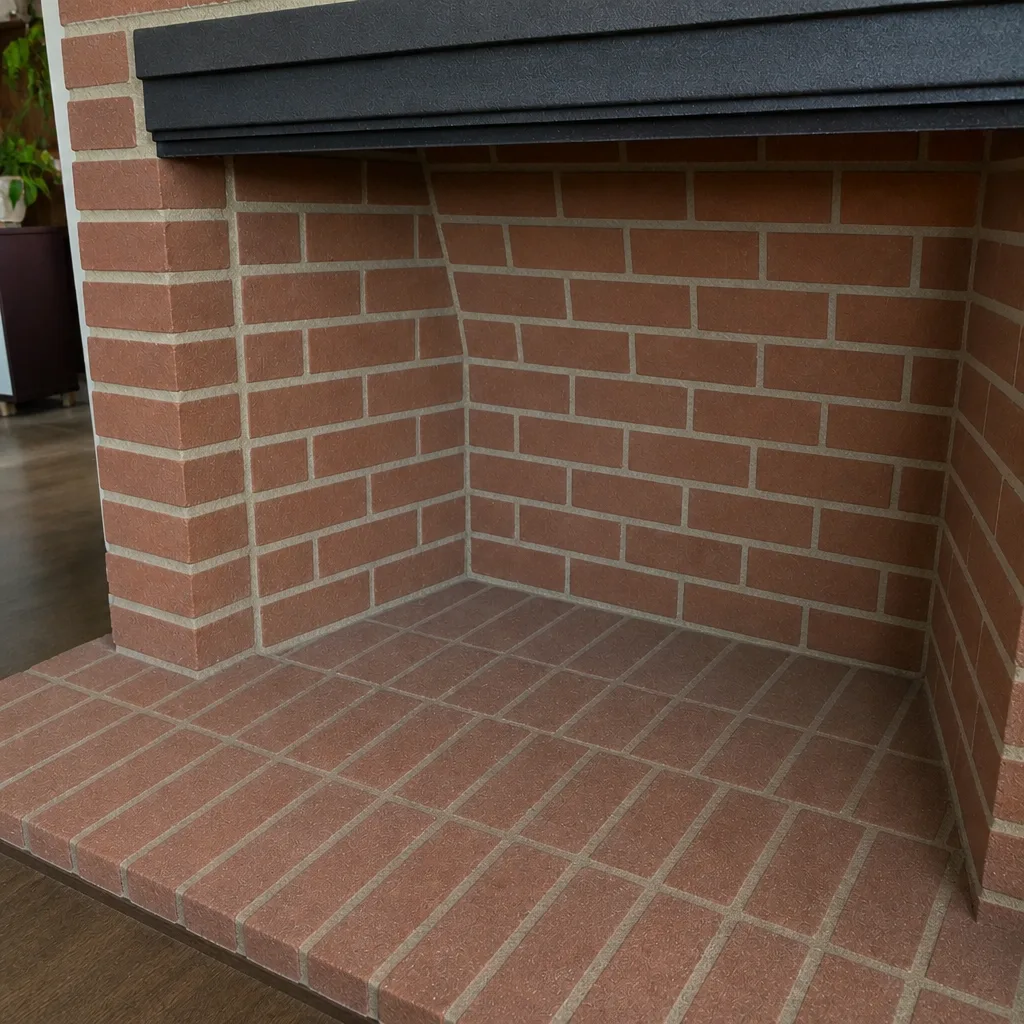
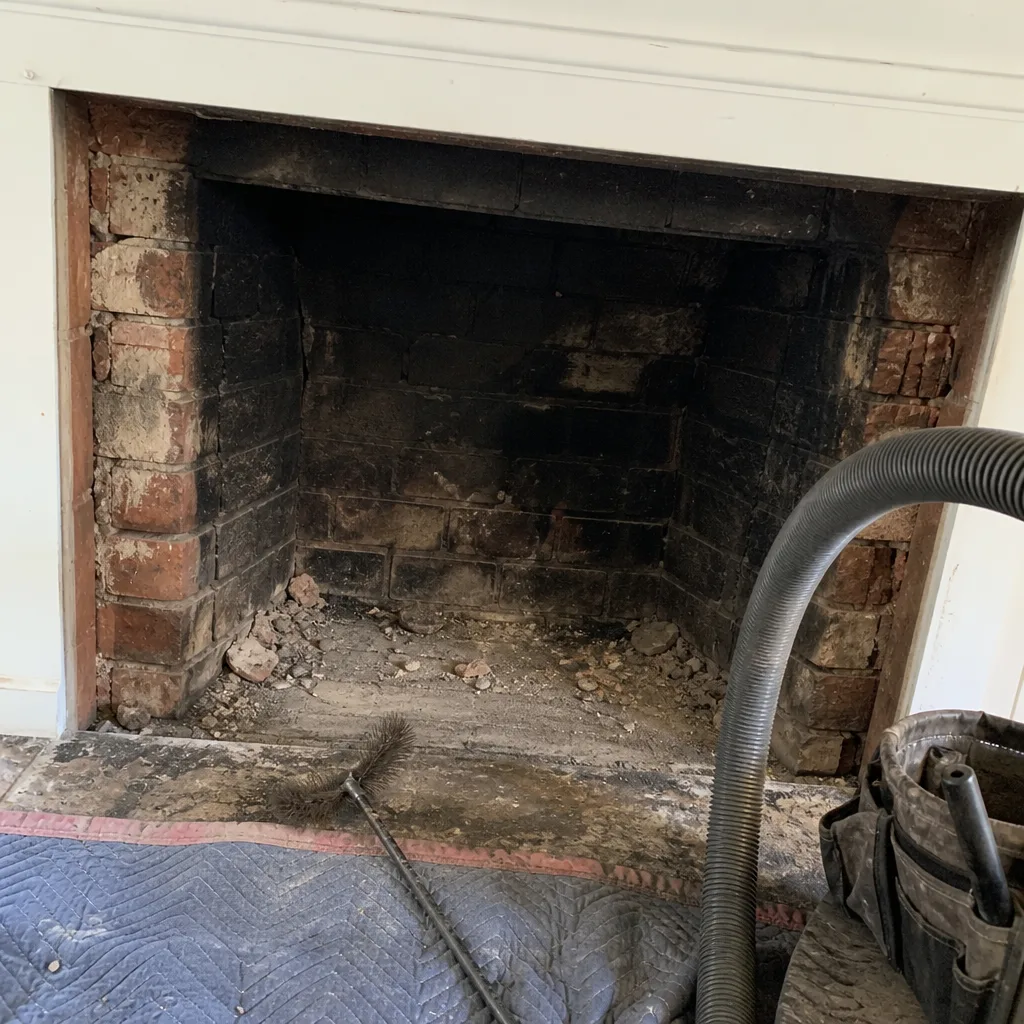
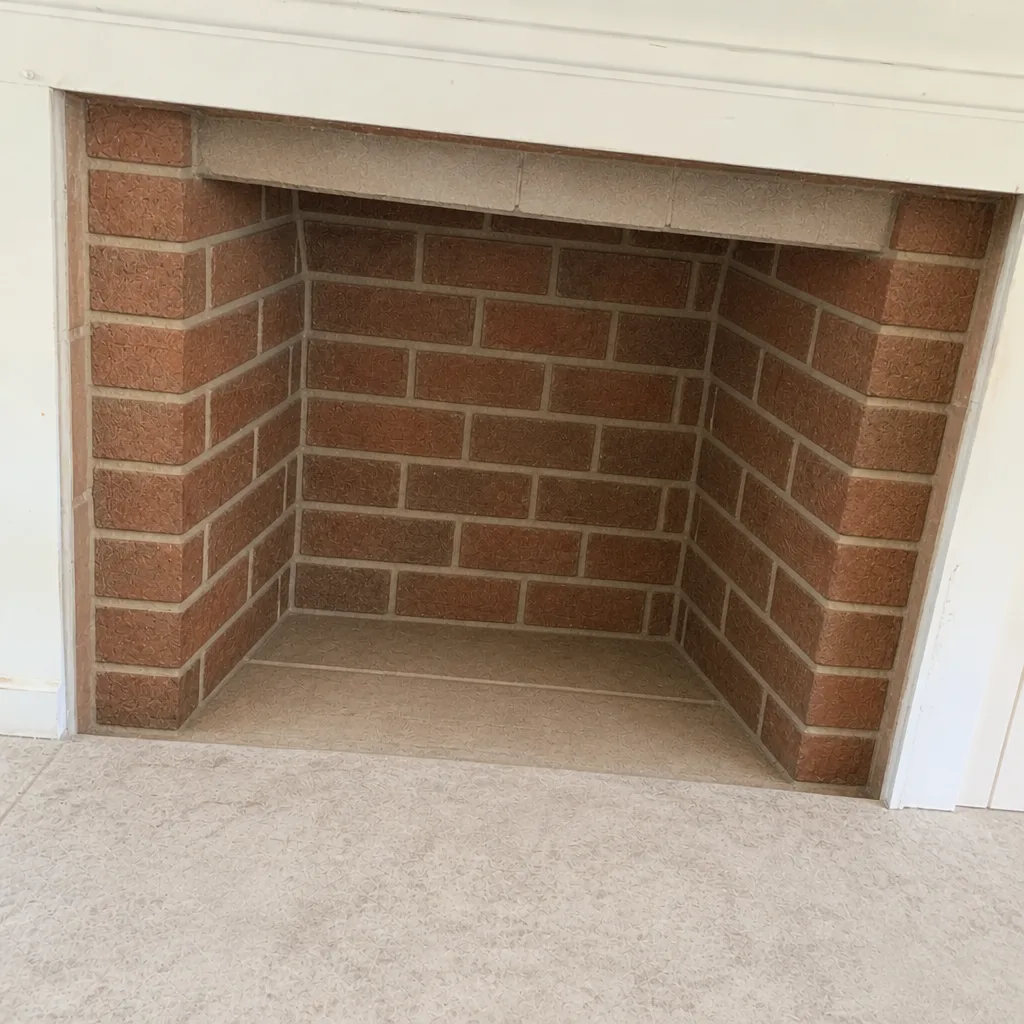
See the difference
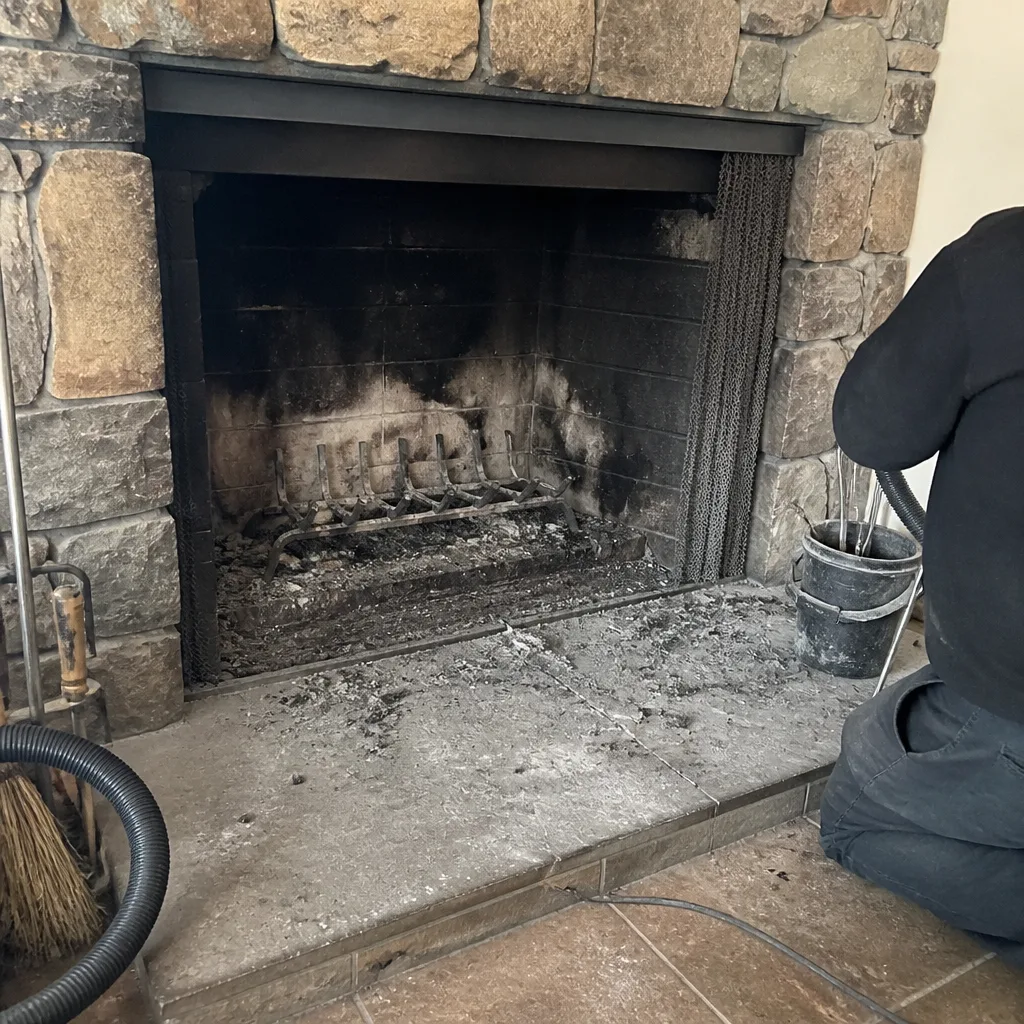 Before
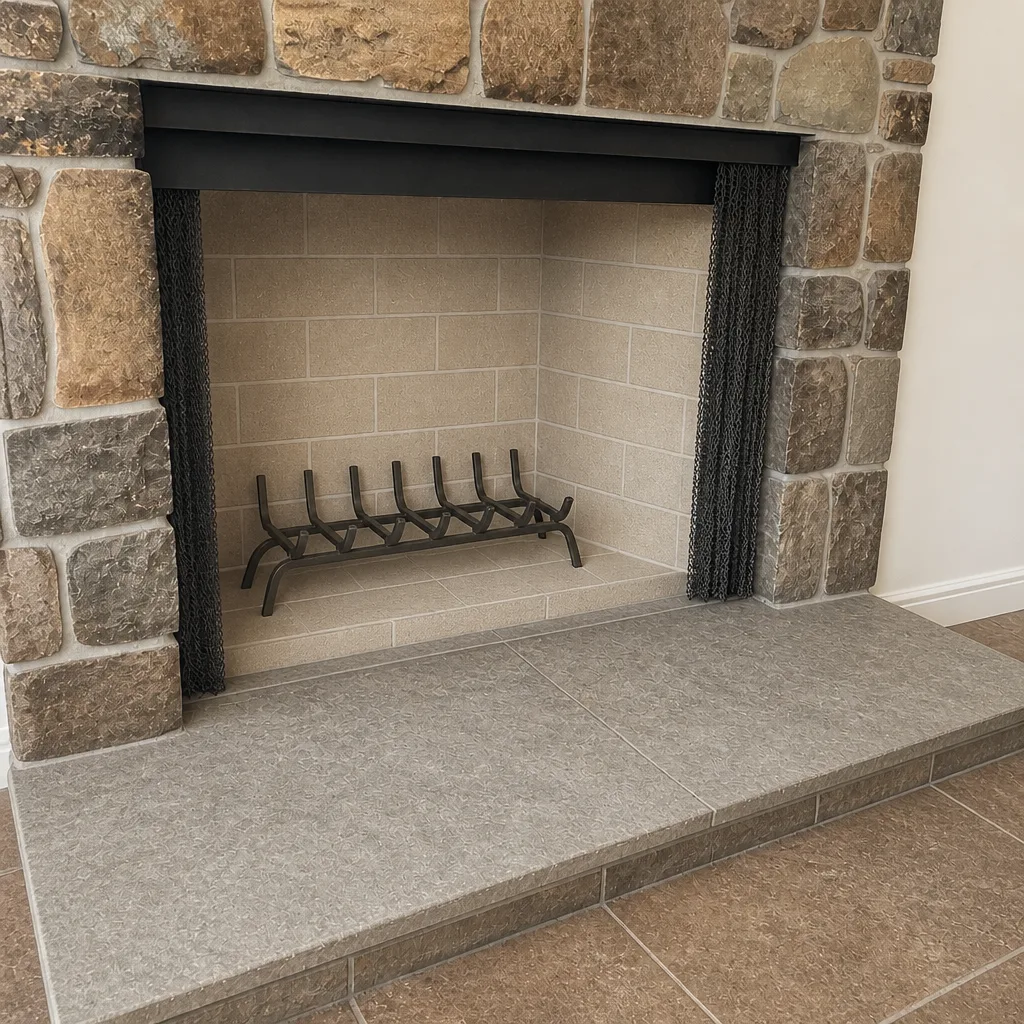 After
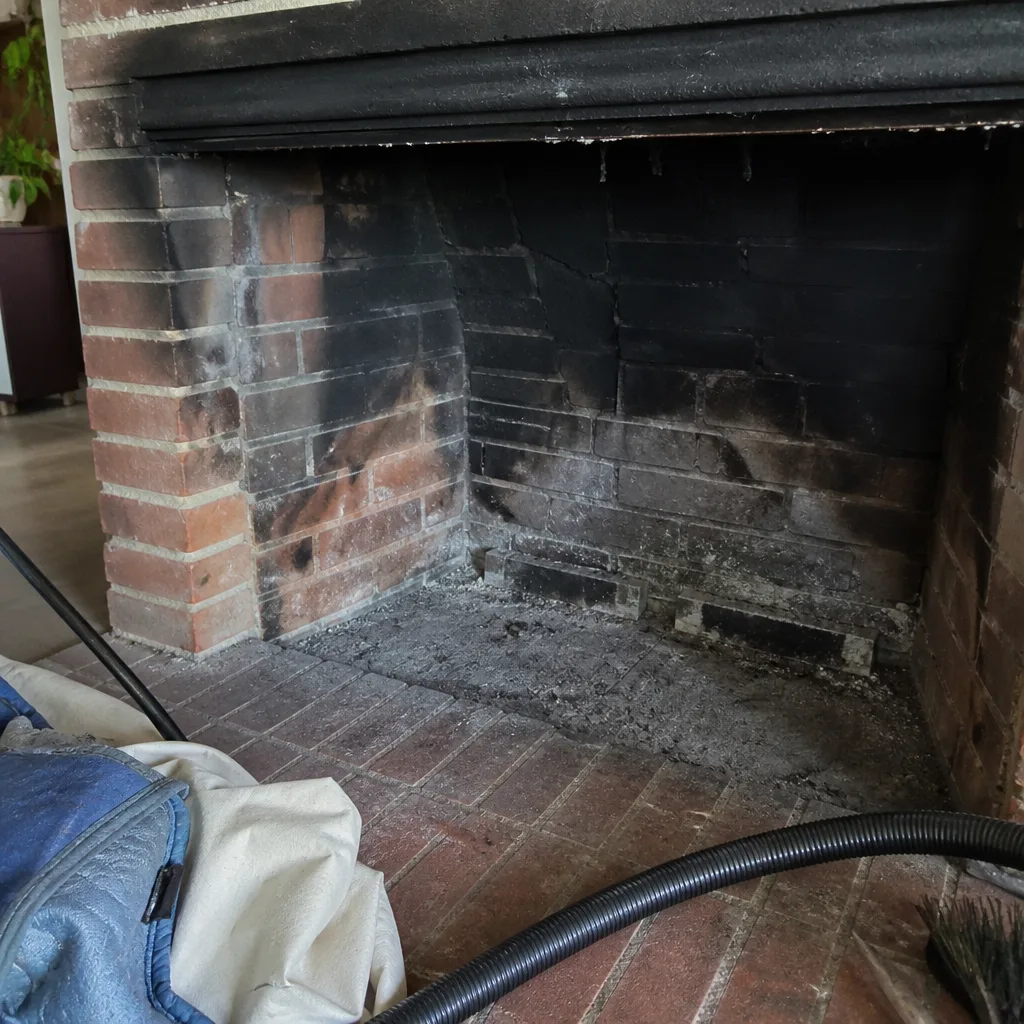 Before
 After
 Before
 After
When to Call a Professional
Call a professional chimney sweep if any of these apply: you’ve had a chimney fire (confirmed or suspected); you smell an acrid, hot-metal, or plastic-adjacent odor when the fireplace is in use; you see thick dark smoke at the cap; the damper is hot to the touch; you’ve never had the chimney inspected despite regular use; you’ve moved into a home in Tustin and don’t know when the last sweep happened; or you see cracks or missing masonry on the crown. Also call if you’re unsure whether the flue can safely stay in service. The inspection is the answer to that question, and the estimate is free. Tustin Chimney Sweep offers free estimates in Tustin. Call (877) 770-1857. We answer 24/7. Fast dispatch from 7am to 7pm, Sunday through Friday.
Frequently Asked Questions
You usually can’t tell from the firebox, which is why the Level 2 camera inspection after any suspect event is the answer. The cues during the event are an acrid or hot-metal smell, thick dark smoke at the cap, and a hotter-than-expected damper. After the event, the camera is what confirms damage to the liner. Call (877) 770-1857 for an exact quote on the inspection. We answer 24/7, with fast dispatch from 7am to 7pm, Sunday through Friday.
Yes. NFPA 211 calls for a Level 2 inspection after any chimney fire because the damage pattern from a slow-burn event isn’t visible from the firebox, and the smaller the visible event, the more likely the damage went undetected. The inspection includes a camera scan of the full flue plus a written report. Call (877) 770-1857 for an exact quote. Estimates are free.
Chimfex is a chimney fire suppressant stick designed to slow a chimney fire while you wait for the fire department, and it’s worth having on hand in Tustin homes with an active fireplace. It’s not a substitute for calling 911. Store it within reach of the firebox and check the expiration date before the season. For an inspection or sweep, call (877) 770-1857. We answer 24/7, with fast dispatch from 7am to 7pm, Sunday through Friday.
The written estimate sets the exact price, and the estimate itself is free. Pricing depends on the flue configuration and what the inspection finds. Call (877) 770-1857 for an exact quote. We answer 24/7, with fast dispatch from 7am to 7pm, Sunday through Friday.
Not until a Level 2 inspection clears it, because using a fractured liner risks carbon monoxide entering the living space and can lead to a second, larger fire. The camera scan is what confirms whether the flue is safe. If damage is found, HeatShield resurfacing or a DuraFlex relining are the two paths forward, and the written scope names the material. Call (877) 770-1857 for an exact quote. Estimates are free.
Sweeping frequency depends on how much you burn, but once a year for an active fireplace is the baseline, and any chimney fire means an inspection immediately. The mild climate in Tustin means fireplaces are often used intermittently, which favors creosote buildup below peak flue temperature. A pre-season sweep clears that load. Call (877) 770-1857. We answer 24/7, with fast dispatch from 7am to 7pm, Sunday through Friday.
It should include the Level 2 inspection result, camera stills of the flue, a code assessment of whether the chimney is usable, and the repair scope with material specifications (the brand of liner or resurfacing system). Call (877) 770-1857 for an exact quote. Estimates are free.
The Bottom Line
Slow-burn chimney fires account for most of the liner damage we see, and the reason is simple: they don’t produce the flame or sound homeowners expect, so they go undetected until something else prompts an inspection. The protocol matters: close the damper, get out, call 911, and do not reopen the firebox. The post-event requirement matters just as much: NFPA 211 requires a Level 2 inspection after any chimney fire before the chimney goes back into service. And the pre-season work matters most of all: a Chimfex suppressant, working CO detectors placed near the fireplace, and a sweep before the season. Call Tustin Chimney Sweep at (877) 770-1857 for a free estimate. We answer 24/7, with fast dispatch from 7am to 7pm, Sunday through Friday. A chimney specialist, chimney only, and the right liner for your flue, specified by name.
Written by the team at Tustin Chimney Sweep.