
Last updated November 25, 2026
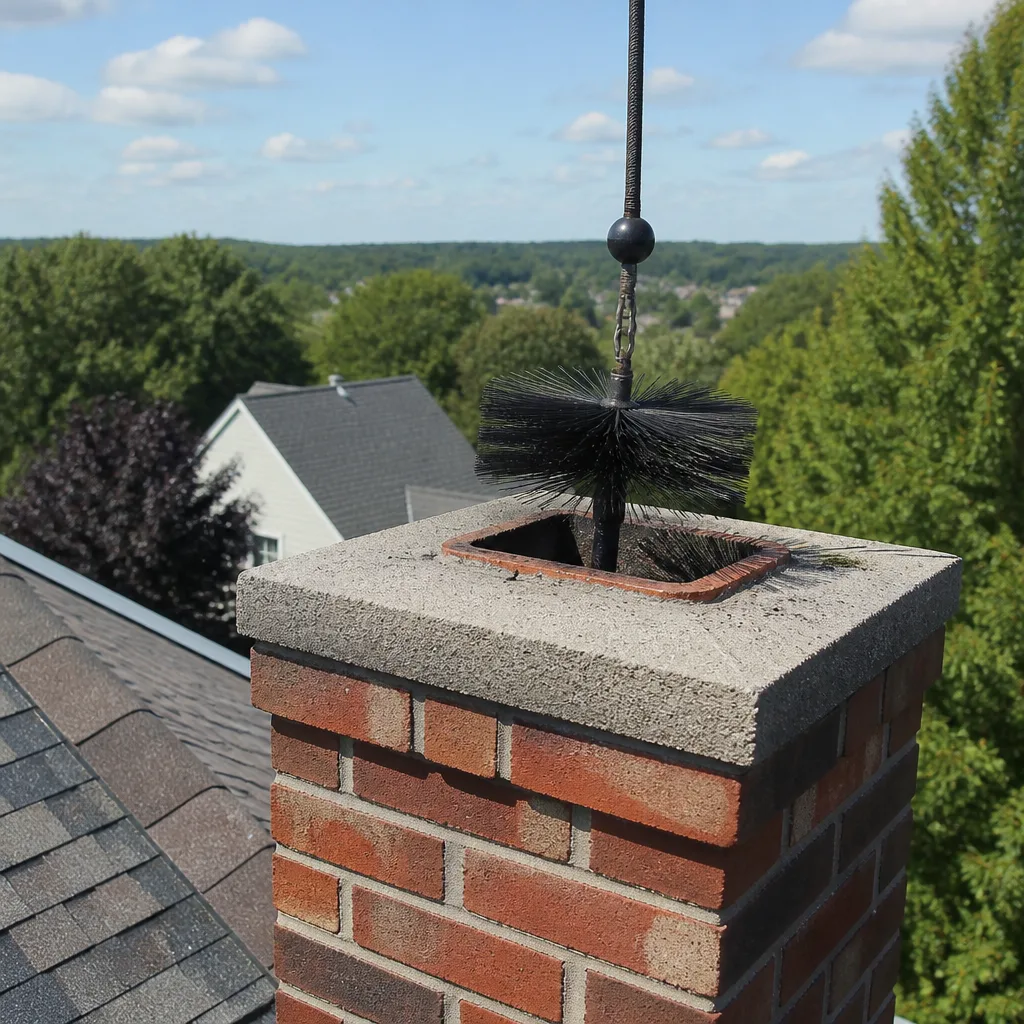 Sweep & inspection
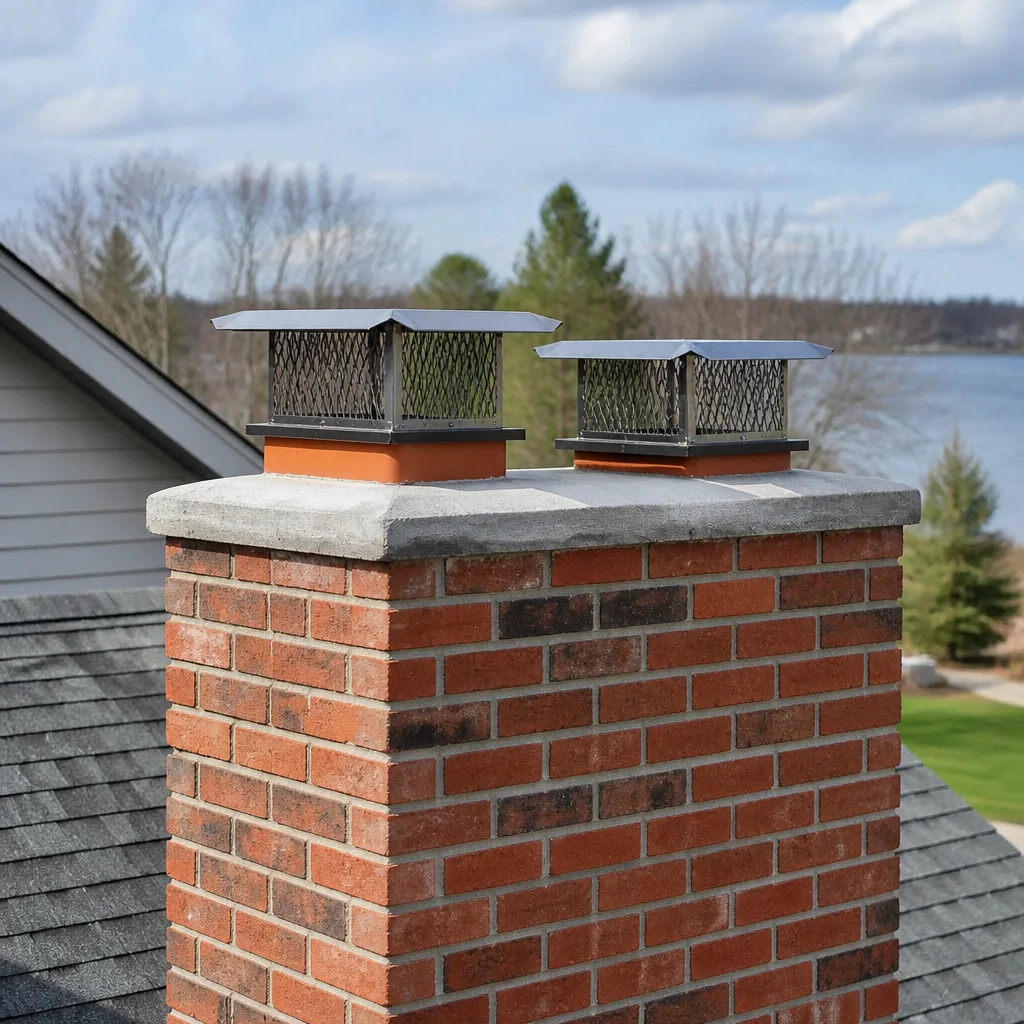 Caps & crowns
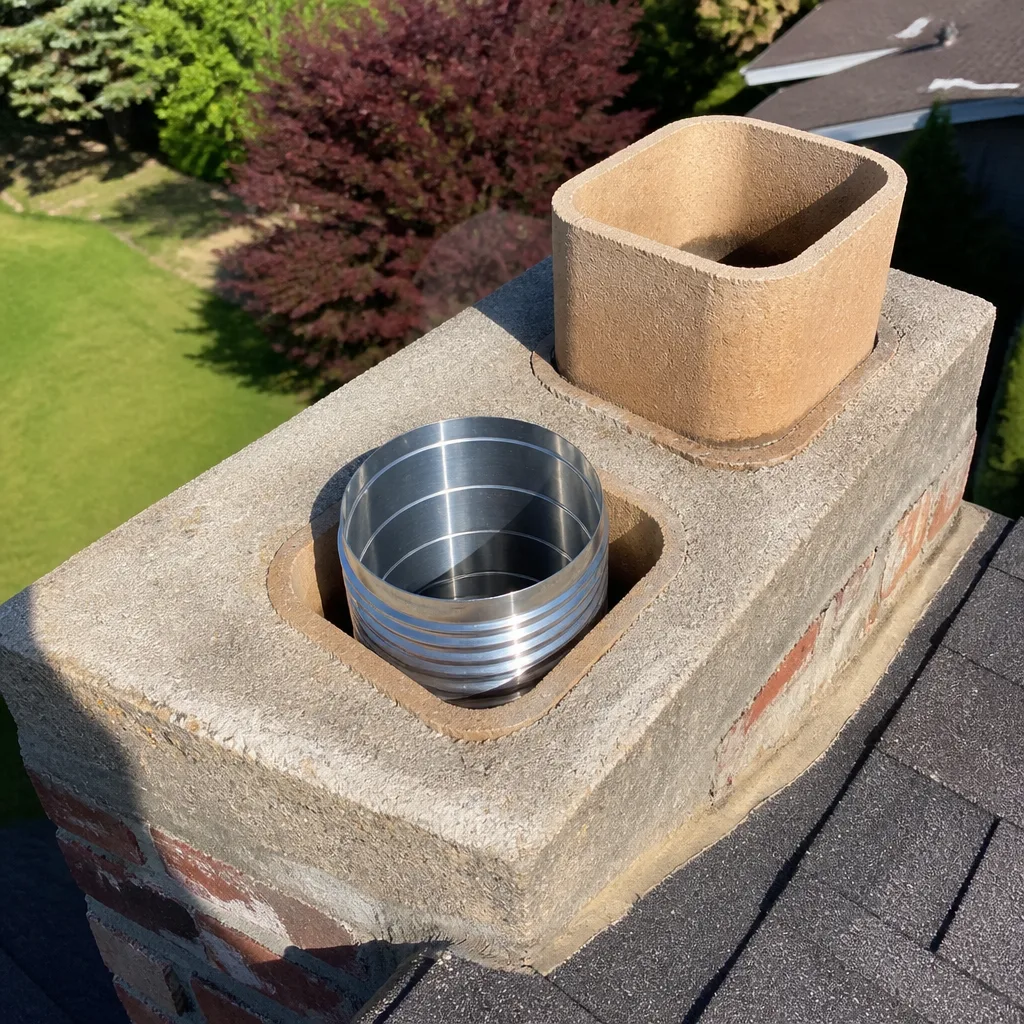 Flue relining
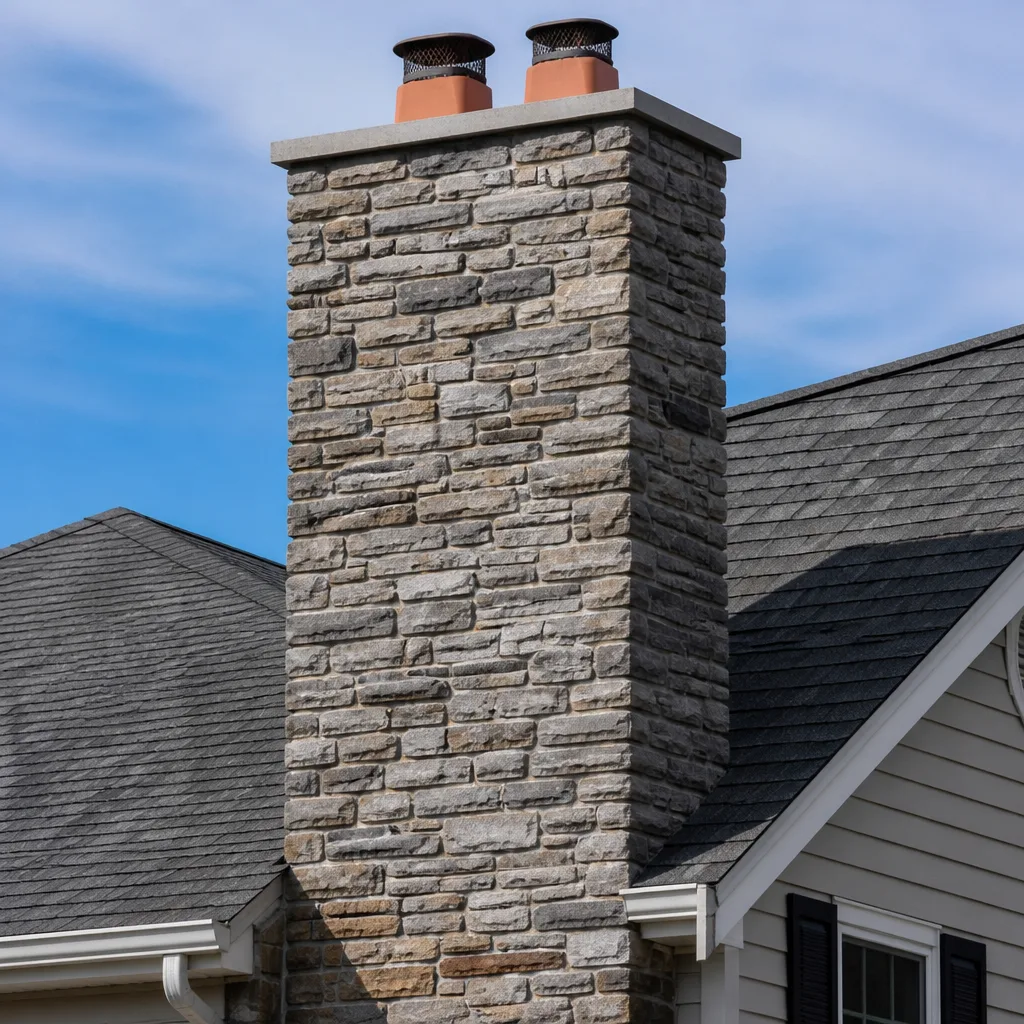 Masonry repair
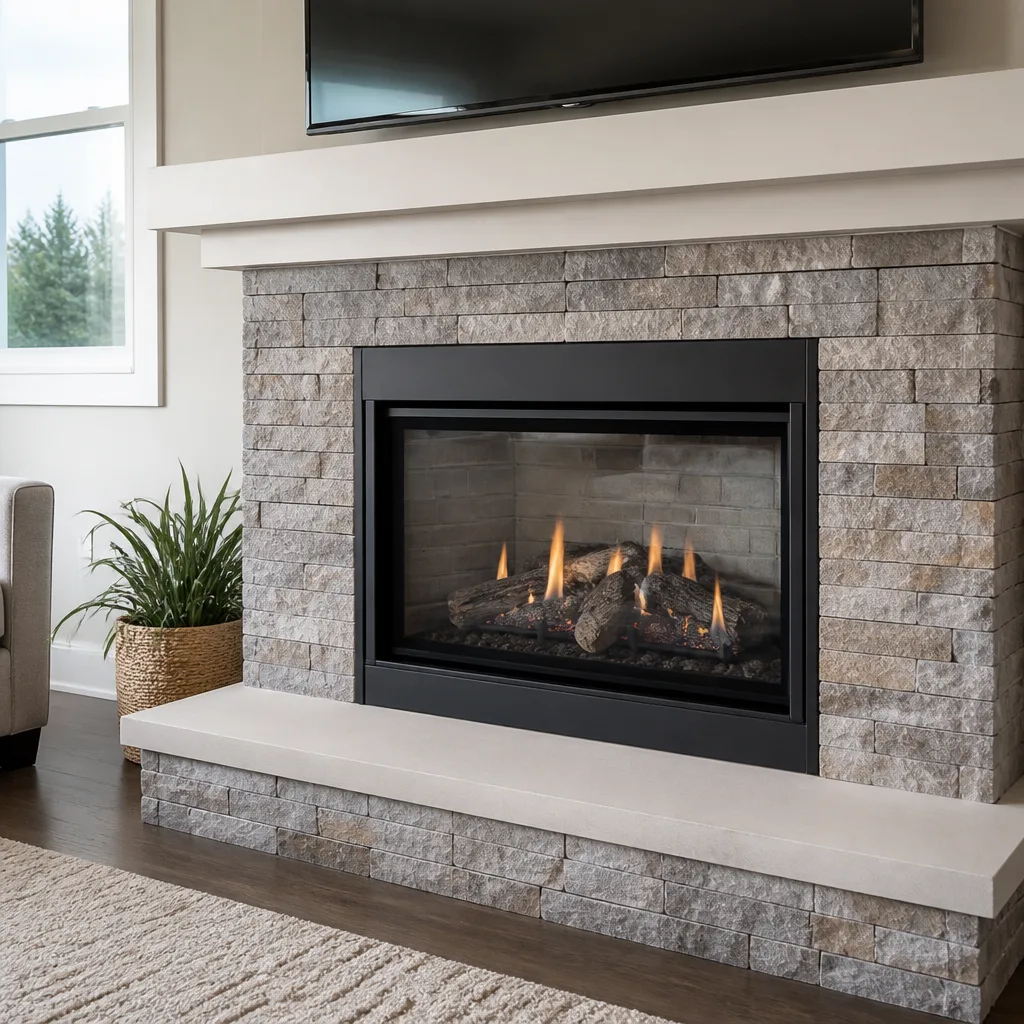 Gas fireplace service
Level 1 sweep and inspection to the NFPA 211 annual standard - flue, crown, cap, and flashing checked and photographed
Chimney sweep logs do not sweep chimneys. They loosen some creosote - which then falls where a brush and vacuum still have to collect it.
The Complete Guide to Chimney Cleaning in Tustin
Most Tustin homeowners burn fewer cords of wood each season than homeowners in colder parts of the country, and it’s easy to assume that lighter use means a chimney needs less attention. The opposite is often true. Short, cool fires in a mild Southern California winter never fully heat the flue, and that low-and-slow burn pattern is exactly what drives heavier creosote buildup. This guide maps the full cleaning and maintenance sequence a competent sweep follows in Tustin, from fuel type and liner material to inspection levels and how to read the written report you get afterward.
Quick Answer
A proper chimney cleaning in Tustin is a diagnostic sequence, not a quick brush-out. A qualified sweep sweeps the flue, runs an inspection matched to how the chimney has been used, and documents the results in writing so you know the condition of your liner, cap, and crown. How often you need it depends on fuel type and burn habits, but an annual evaluation is the accepted baseline for any actively used fireplace or wood stove.
Styles & brands we work with
- Sweep & inspection
- Caps & crowns
- Flue relining
- Masonry repair
- Gas fireplace service
Table of Contents
- Why Tustin’s Mild Burn Season Changes Creosote Chemistry
- Level 1, 2, and 3 Inspections: Which One You Need
- Liner Material Matters: Clay Tile, Stainless, and Cast-in-Place
- What a Video Scan Reveals That a Mirror Misses
- The Cleaning Sequence, Step by Step
- How to Read a Sweep’s Written Report
- Caps and Crowns: The Two Most Common Water Entry Points
- How Often Tustin Chimneys Actually Need Cleaning
Why Tustin’s Mild Burn Season Changes Creosote Chemistry
Tustin sits in a climate that gives homeowners a burn season running roughly October through March, and often a light one at that. Many households here light a fire on cool evenings rather than running the fireplace continuously through a hard winter. That usage pattern has a real chemical consequence.
Creosote forms when wood smoke condenses on a cool flue surface. A hot, steadily burning fire pushes exhaust up and out quickly, and the flue stays warm enough that much of the vapor never settles. A fire that burns low and gets shut down early each night produces cooler, slower-moving smoke. More of it condenses on the flue walls, and the deposits that form tend to be the sticky, glazed kind rather than dry soot.
Stage 2 creosote, the glazed or tar-like layer, is significantly harder to remove than the flaky Stage 1 soot a cold-climate chimney produces in volume. It’s also the stage most associated with chimney fire risk. So a Tustin chimney that sees light use can carry a heavier, more stubborn deposit than a chimney up north that burns hot every night.
There’s a dust factor too. Inland Orange County gets long dry stretches through summer and fall, and airborne dust settles on caps, screens, and the firebox between seasons. A clogged spark screen or a cap packed with debris restricts draft, which pushes the next fire toward a cooler, smokier burn and compounds the creosote problem. A chimney sweep clears that blockage along with the flue deposits. Our technicians have up to 10 years of experience reading exactly this kind of pattern.
Level 1, 2, and 3 Inspections: Which One You Need
The NFPA 211 standard defines three inspection levels, and the right one depends on what’s happened to the chimney since it was last checked. Knowing the difference keeps you from paying for more than you need, or accepting less than you should.
Level 1 Inspection
This is the routine check that accompanies an annual cleaning. The sweep examines readily accessible portions of the chimney, firebox, damper, and connector without tools that require opening anything up. It’s appropriate when the chimney is in continued service and nothing has changed.
Level 2 Inspection
A Level 2 adds a video scan of the flue interior and access to concealed areas. It’s the correct level after any of these events:
- A change in fuel type, such as switching from wood to a gas insert
- A chimney fire, even a small one you put out yourself
- An earthquake or significant seismic event
- A transfer of property or a major renovation to the home
- Any change to the appliance or its venting
Because Southern California does experience noticeable seismic activity, a Level 2 is the sensible choice after any quake you felt strongly in Tustin. Cracks in clay tile liners often start at the joints and are invisible from the firebox.
Level 3 Inspection
A Level 3 is diagnostic and invasive, calling for access to concealed parts of the chimney, potentially through drywall or masonry. It’s warranted only when a Level 2 has already turned up a problem that can’t be resolved without opening things up. A reputable sweep should explain why a Level 3 is necessary before recommending one.
Liner Material Matters: Clay Tile, Stainless, and Cast-in-Place
Different liners demand different cleaning methods, and a sweep who brushes every flue the same way is telling you something about their training. Here’s how the three main liner types behave in Tustin homes.
Clay Tile
Clay tile is the most common liner in older Tustin housing. It handles standard sweeping well, but it’s brittle. Seismic movement and thermal cycling open cracks at the mortar joints, and a cracked tile lets creosote and heat reach combustible framing. When the tiles are intact, cleaning is straightforward. When they’re compromised, the tile itself becomes the issue, not the buildup.
Stainless Steel Insulated Liners
Stainless liners, including DuraFlex systems, are smoother and rounder than clay tile, so creosote bonds less aggressively and sweeping is more uniform. They’re preferred for gas inserts and high-efficiency appliances because they handle cooler exhaust without condensing as readily. Cleaning needs to avoid abrasive methods that could scratch the surface and give future deposits a place to grab.
HeatShield and Cast-in-Place Restoration
HeatShield is a flue resurfacing system: it rebuilds a deteriorated liner into a smooth, continuous ceramic surface rather than replacing the whole flue. The result is a liner with no joints to fail and a surface that cleans down to bare material more completely than original clay tile. We specify HeatShield when a liner is damaged but still structurally sound enough that full relining isn’t required. That’s a genuine cost saving, and it’s a method most generalist companies can’t offer. When a liner is too far gone for restoration, we move to a full reline with a named system rather than backing a weak liner with generic material.
Whichever liner you have, the choice of finish hardware matters too. We stock Gelco and Famco chimney caps for same-visit replacement, and genuine Olympia Chimney and Copperfield components for liner connections and accessories. When those parts are in hand, there’s no ordering delay.
What a Video Scan Reveals That a Mirror Misses
A hand mirror passed up the flue at a strange angle is the old way, and it hides more than it shows. A proper video scan with camera documentation is how you get evidence you can evaluate.
The camera sees the whole interior, not just the illuminated patch a mirror catches. It reveals hairline cracks at tile joints, gaps where a connector meets an appliance, and offset sections where the flue bends. It shows the creosote stage and how evenly the flue has been cleaned. And crucially, it can spot the early stages of a liner failure before a problem spreads.
Insist on camera documentation whenever you’re told something needs repair. Ask to see the footage and the still images. A sweep who describes a problem without showing you the evidence is asking you to trust a diagnosis you can’t verify. With video in hand, you can see the exact crack or gap yourself, and you’ll understand why the recommended fix is the right one.
We include the video scan and a photo report with every inspection so you have documentation for your own records and for any future insurance or real estate conversation. One inspection. One company. No subcontractors. If a repair surfaces, the same business that swept the flue handles the chimney repair, so nothing gets handed off.
The Cleaning Sequence, Step by Step
What actually happens during a professional cleaning follows a predictable order. Here’s the sequence a competent sweep runs, so you know what to expect and what each stage is for.
- Lay protective drop cloths. Floor coverings and a runner protect your furnishings and flooring before any tool comes out.
- Confirm the chimney is cold. Sweeping a warm chimney disturbs ash and could interact with residual heat. The sweep checks before starting.
- Set up dust containment. A sealed vacuum attached to the firebox keeps dust out of the room rather than letting it settle on your mantel.
- Check the damper and firebox. The sweep tests the damper for free movement and examines the firebox brickwork for gaps or failed mortar.
- Sweep the flue from bottom to top. Rotary brushes fitted to the liner type loosen and collect deposits. Stainless, clay tile, and restored surfaces each call for different brush pressure and style.
- Clear the smoke shelf and smoke chamber. This area above the damper traps creosote that a straight flue brush never reaches.
- Vacuum the firebox and hearth. The sweep removes the loose debris the brush collected.
- Run the video scan. The camera confirms the flue is clean and that no damage sits hidden above the smoke chamber.
- Inspect the cap, screen, and crown. These are the components most exposed to weather and debris.
- Deliver the written report. You get findings, photos, and any recommended work with the reason for each item.
The whole job takes a couple of hours for a typical chimney, longer if the flue has heavy Stage 2 deposits or the liner needs attention. The cleaning sequence is a core part of what we do on every Tustin Chimney Sweep visit.
How to Read a Sweep’s Written Report
After a cleaning, you should receive a written report, not a verbal summary that disappears with the technician. The report is your record, and certain line items should always appear.
- Date and inspection level. The report should state which NFPA 211 level was performed.
- Findings on every component. Flue, firebox, damper, smoke chamber, cap, screen, and crown each get a line.
- Creosote stage. The report should note the degree of deposit before cleaning and confirm it’s cleared afterward.
- Photo or video references. Findings should tie back to images you can see.
- Recommendations with reasons. Each recommended repair should name the reason, not just the action.
- A clear “nothing needed now” statement when the chimney is sound. If the report says the chimney is fine, that’s the report working as it should.
We’re direct about the last point because homeowners here often worry they’ll be told they need thousands of dollars of work they can’t verify. Nothing gets recommended without camera evidence you can see for yourself. When work can safely wait a season, we say so, and we tell you what to watch for in the meantime. Our estimates are free, and the written estimate sets the final price, with no surprises added afterward. That’s how a fireplace repair recommendation should reach you too, tied to what the camera actually shows.
Caps and Crowns: The Two Most Common Water Entry Points
Water does more long-term damage to chimneys than fire does. Two components take the brunt of it, and both are usually fixable before the interior of the chimney is affected.
The Cap
The chimney cap sits on top and does two jobs: it keeps water off the top of the flue, and it keeps birds, debris, and rain out of the chimney itself. A damaged screen or a cap that’s come loose leaves the flue open to everything. Replacing a cap is a quick repair when the correct part is on hand, which is why we keep Gelco and Famco caps stocked for same-visit replacement. A missing cap is often the reason you’re seeing water stains on the firebox or hearing animal sounds in the flue.
The Crown
The crown is the concrete or masonry slab at the very top that sheds water away from the chimney body. Over time, the crown cracks, and a cracked crown lets water seep into the masonry and work its way down through the structure. A crown repair or replacement protects the entire chimney from the inside out and is one of the most cost-effective things you can do.
Together, the cap and crown are where we look first on any chimney that’s letting in water. Getting ahead of these repairs is the whole point of a preventive inspection. We catch it before it costs you.
How Often Tustin Chimneys Actually Need Cleaning
There’s no single correct interval for every home. The right answer depends on fuel type, burn habits, and what the inspection finds. A few general rules apply.
For a wood-burning fireplace used regularly, an annual evaluation is the accepted baseline. If you burn lighter than that, an inspection each season before you start using the fireplace keeps you ahead of deposits rather than reacting to them. Gas inserts produce less creosote but still need periodic evaluation, because condensation, debris, and appliance issues can develop even without wood smoke.
What matters more than counting fires is what the flue surface looks like. Trained eyes reading a video scan can tell you whether your chimney needs sweeping this year or can safely wait. Sign visible in your home that cleaning is due:
- Creosote visible on the firebox walls or above the damper
- A strong smoke smell that lingers when the fireplace isn’t in use
- Smoke spilling into the room instead of rising up the flue
- Reduced draft compared with earlier seasons
- Debris falling into the firebox, often a sign of a compromised cap
Because Tustin’s burn season is short and light, many homeowners here skip a season and then face heavier deposits when they light up again in the fall. Getting an inspection before October means you’ll know the chimney is clear before the first fire, not after.
Common Mistakes to Avoid
- Judging by how much you burn, not by the flue. Fewer fires in mild Tustin can mean heavier glazed creosote, so burn volume alone tells you very little about cleaning need.
- Accepting a verbal report. Without written findings and photos, you have no record and no evidence to evaluate. Insist on documentation tied to what the camera saw.
- Trusting a mirror-only inspection. A passing glance at the flue misses cracks at tile joints and gaps in the smoke chamber. A proper video scan is how real findings surface.
- Skipping the cap and crown check. These are the two most common points of water intrusion, and leaving them unrepaired lets water damage spread through the masonry.
- Assuming a general handyman can sweep a liner properly. Clay tile, stainless steel, and restored surfaces each require different methods; a specialist matches brush and technique to the flue.
- Waiting until something goes wrong. A preventive inspection before each burn season catches cracked crowns and failed dams before they become costly, and is far easier than dealing with smoke or water problems once they’ve started.
- Choosing on price alone. A bid that leaves out the smoke chamber, liner scan, or cap check simply shifts the cost to later, often after damage has occurred.
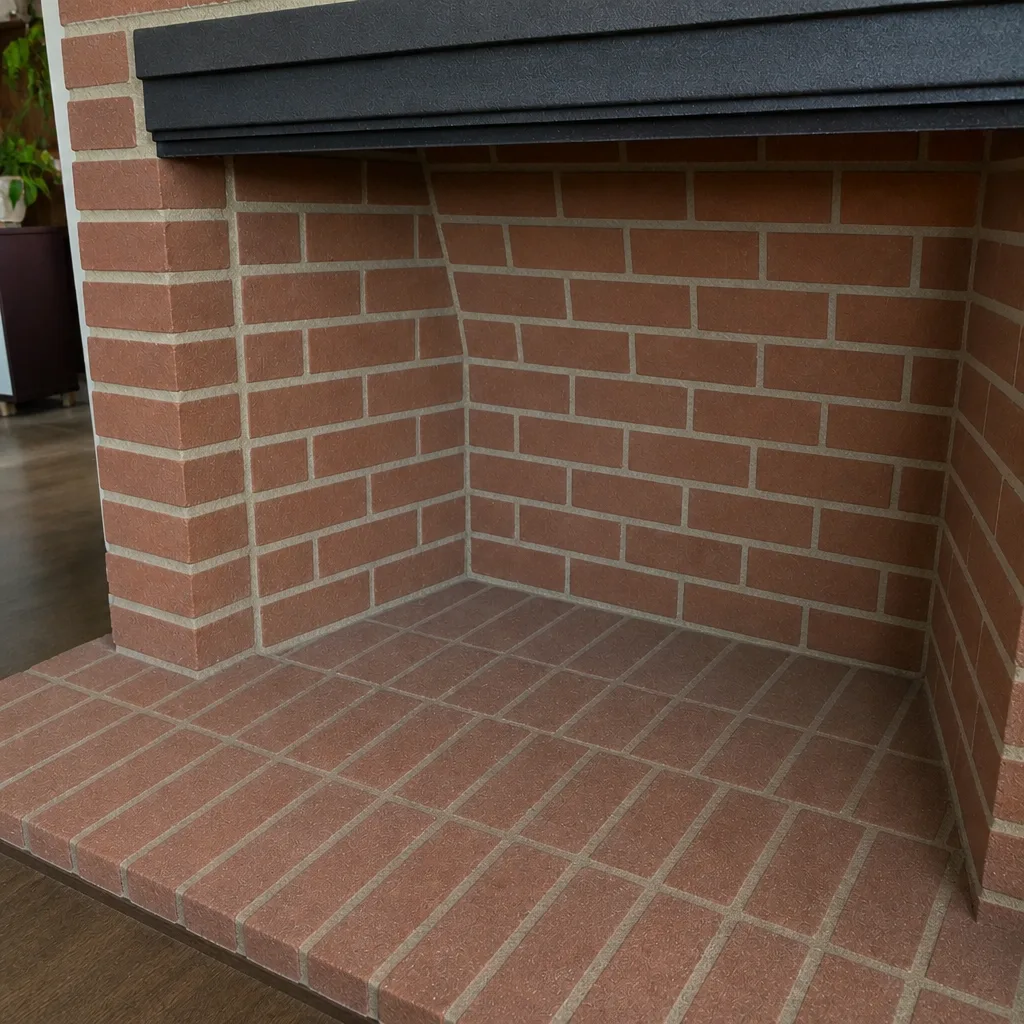
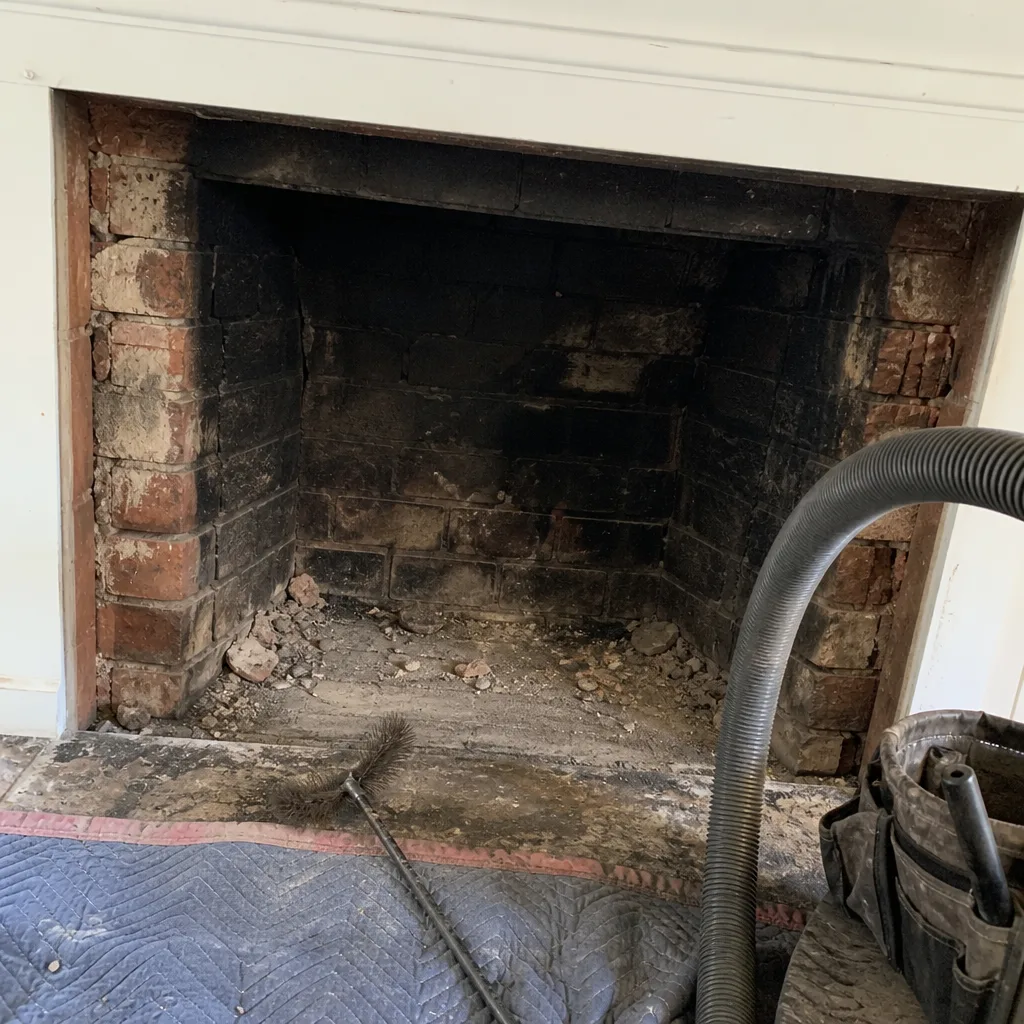
See the difference
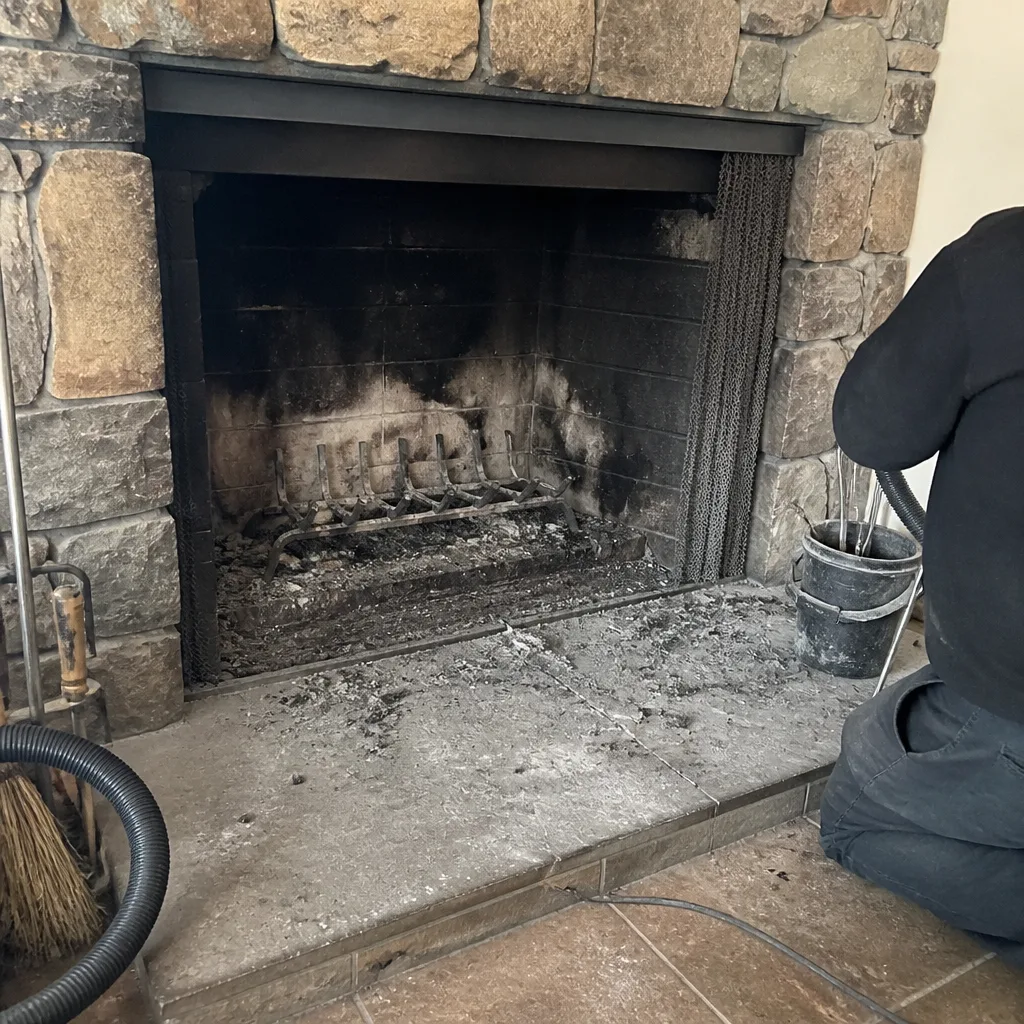 Before
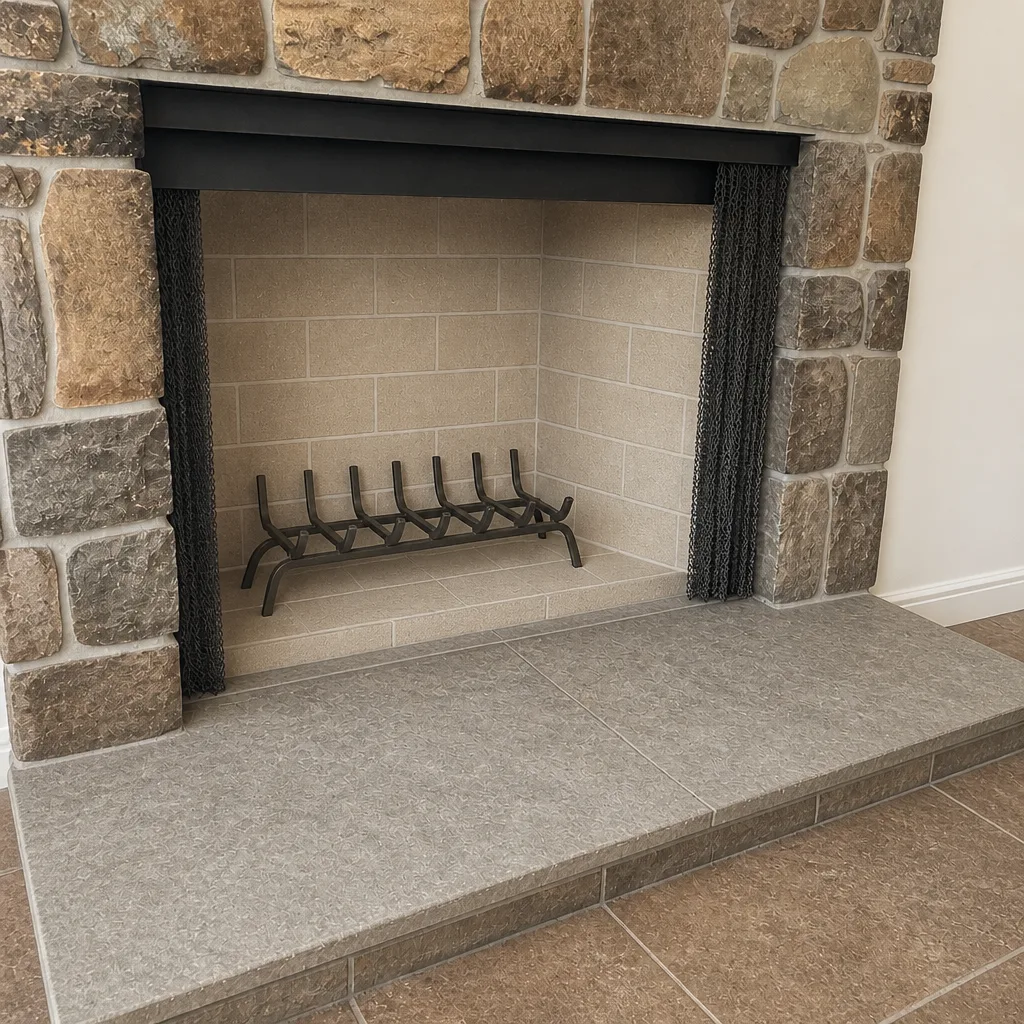 After
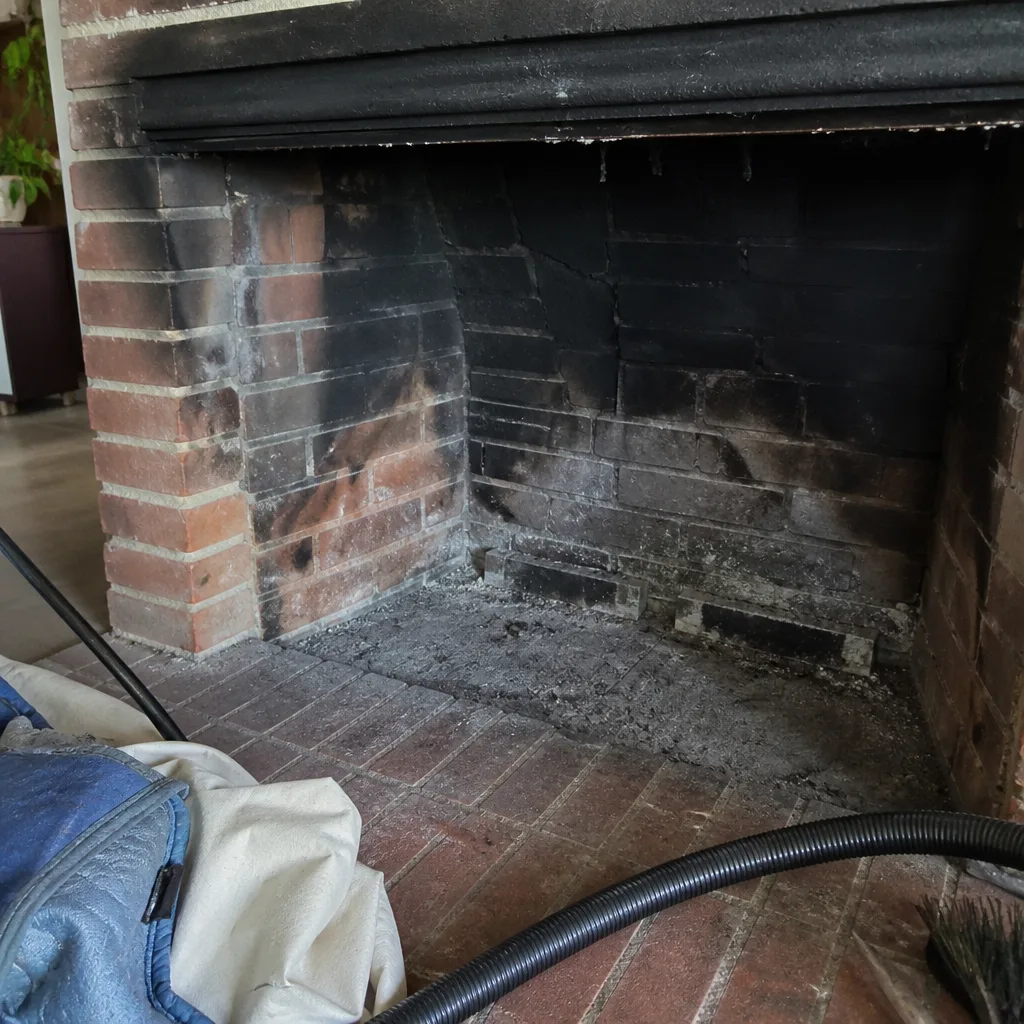 Before
 After
 Before
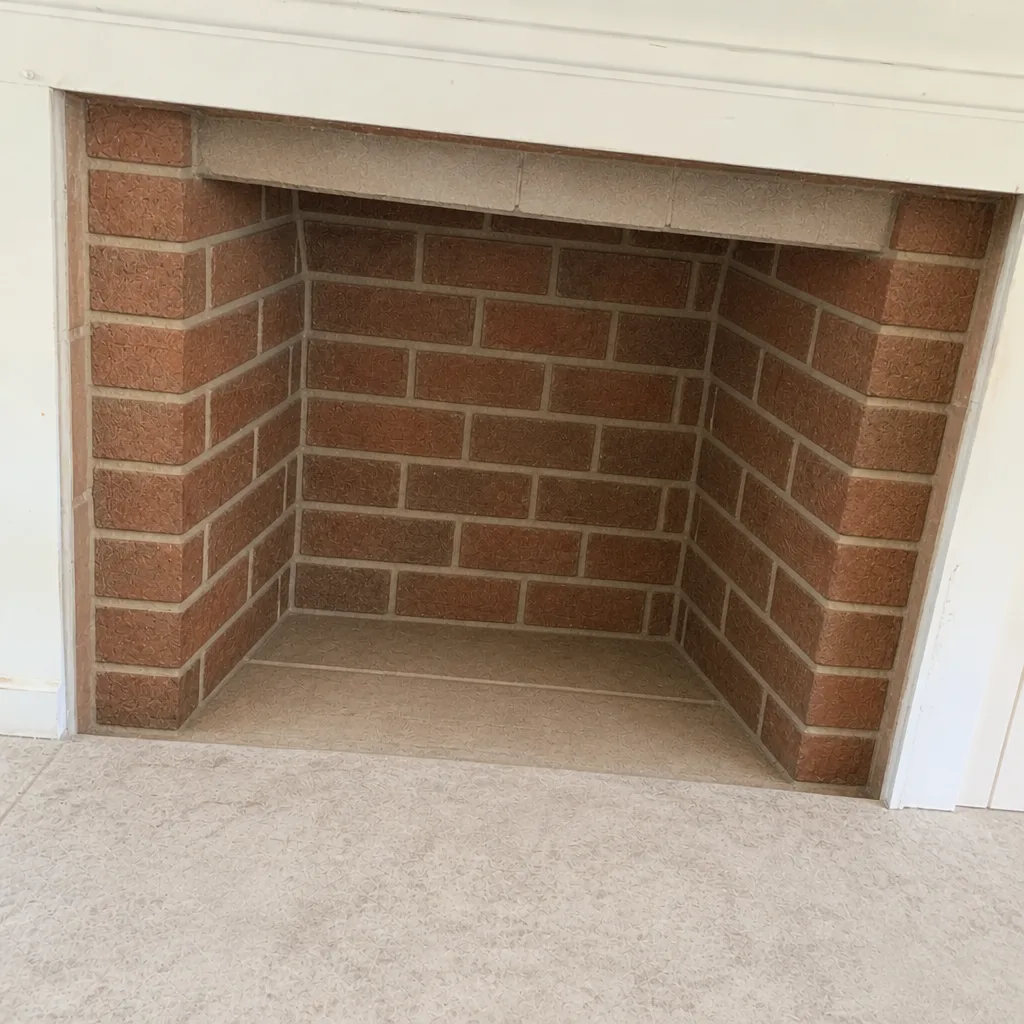 After
When to Call a Professional
Most of the time, a clean chimney just needs routine evaluation. But certain situations call for a specialist without delay. Call a professional after any chimney fire, even one you put out yourself, because the fire can leave cracks in the flue that you can’t see. Call after an earthquake strong enough to rattle the house, since tile liners often crack at the joints. Call if you see creosote on the firebox walls, smell smoke when the fireplace is idle, or notice smoke backing into the room. Call if you haven’t had the chimney evaluated in a season or more and you plan to light a fire. And call if water is staining the firebox or you suspect the cap or crown has failed. Tustin Chimney Sweep offers free estimates in Tustin, call (877) 770-1857.
Frequently Asked Questions
Cleaning is priced per job by a written estimate, which is free. The final price depends on the flue, the liner type, and how much deposit it holds, and the estimate you receive sets exactly what you’ll pay. Call (877) 770-1857 for an exact quote, estimates are free.
Only if the liner is actually failed, and you should see the evidence before agreeing. A camera scan shows cracks and gaps you can verify yourself, and where the liner is damaged but still structurally sound, HeatShield resurfacing can restore it without full replacement. Call (877) 770-1857 to have the footage reviewed and the options explained.
An annual evaluation is the accepted baseline for any actively used fireplace or wood-burning appliance. Tustin’s mild, dusty burn season can actually accelerate glazed creosote, so a pre-season inspection each fall is the safest routine. Call (877) 770-1857 to book an evaluation, estimates are free.
Creosote builds up unobserved, especially the glazed Stage 2 type that mild-season fires produce, and heavy deposits raise the risk of a chimney fire. A failed cap or crown also lets water into the masonry, where it spreads quietly. Call (877) 770-1857 to schedule a camera inspection before the next burn season.
Yes, because light use is exactly the pattern that builds cooler, glazed deposits rather than dry soot. Even a fireplace that sees only a handful of fires each season deserves a look at the flue surface. Call (877) 770-1857 for a free estimate on a routine cleaning or inspection.
Look for water staining on the firebox or ceiling near the chimney, a loose or missing spark screen, or visible cracks in the concrete crown at the top. Because we stock Gelco and Famco caps, a damaged cap can often be replaced on the same visit. Call (877) 770-1857 to report what you’re seeing, estimates are free.
The Bottom Line
Chimney cleaning in Tustin is a sequence, not a service you buy once and forget. The mild burn season here produces the cooler, glazed creosote that quietly accumulates, so a pre-season inspection carried out with a proper video scan tells you the real condition of your flue. Clay tile, stainless, and restored surfaces all need different methods, and matching the method to the liner is what separates a specialist from a generalist. You deserve written findings with photos, a cap and crown check, and a clear statement of what can safely wait. When something does need repair, it’s worth having the same company do it. We answer 24/7. Fast dispatch from 7am to 7pm, Sunday through Friday. For a free estimate in Tustin, call (877) 770-1857.
Written by the team at Tustin Chimney Sweep.