
Last updated November 25, 2026
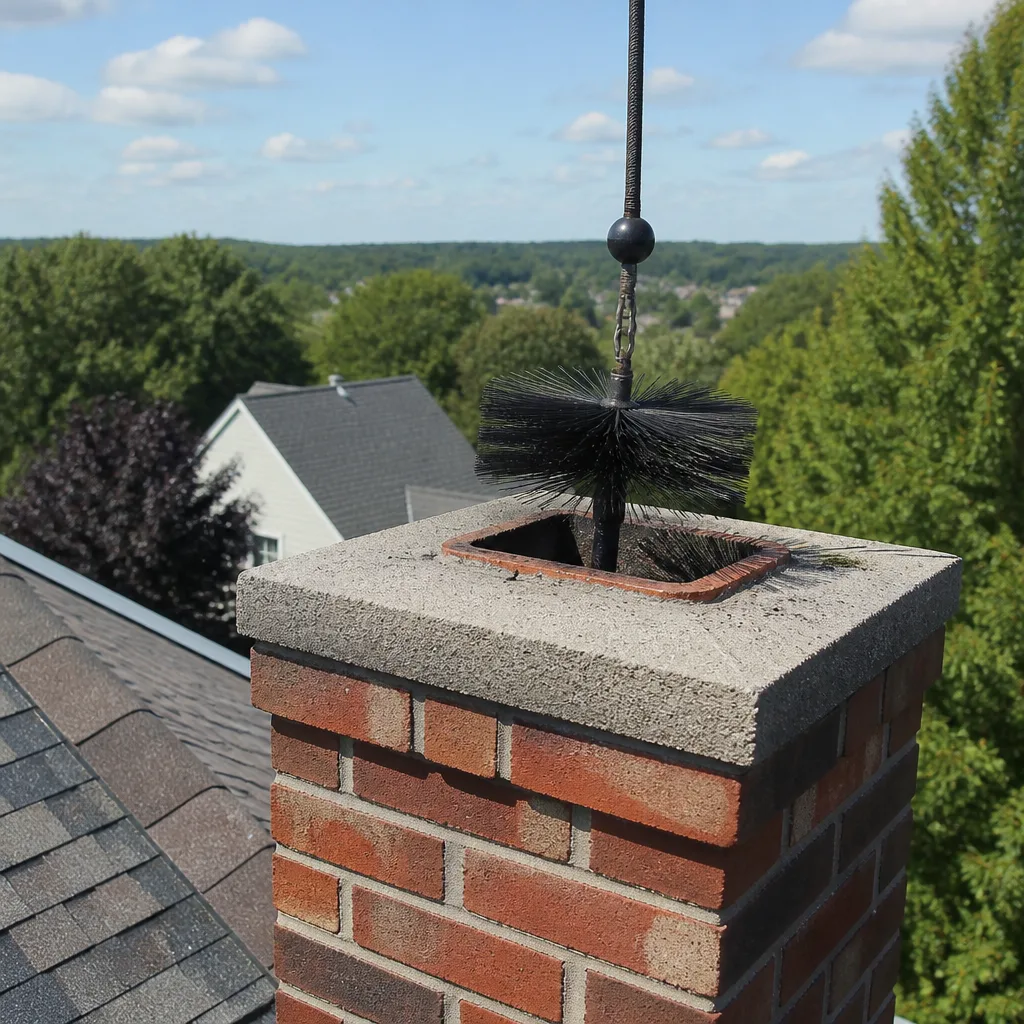 Sweep & inspection
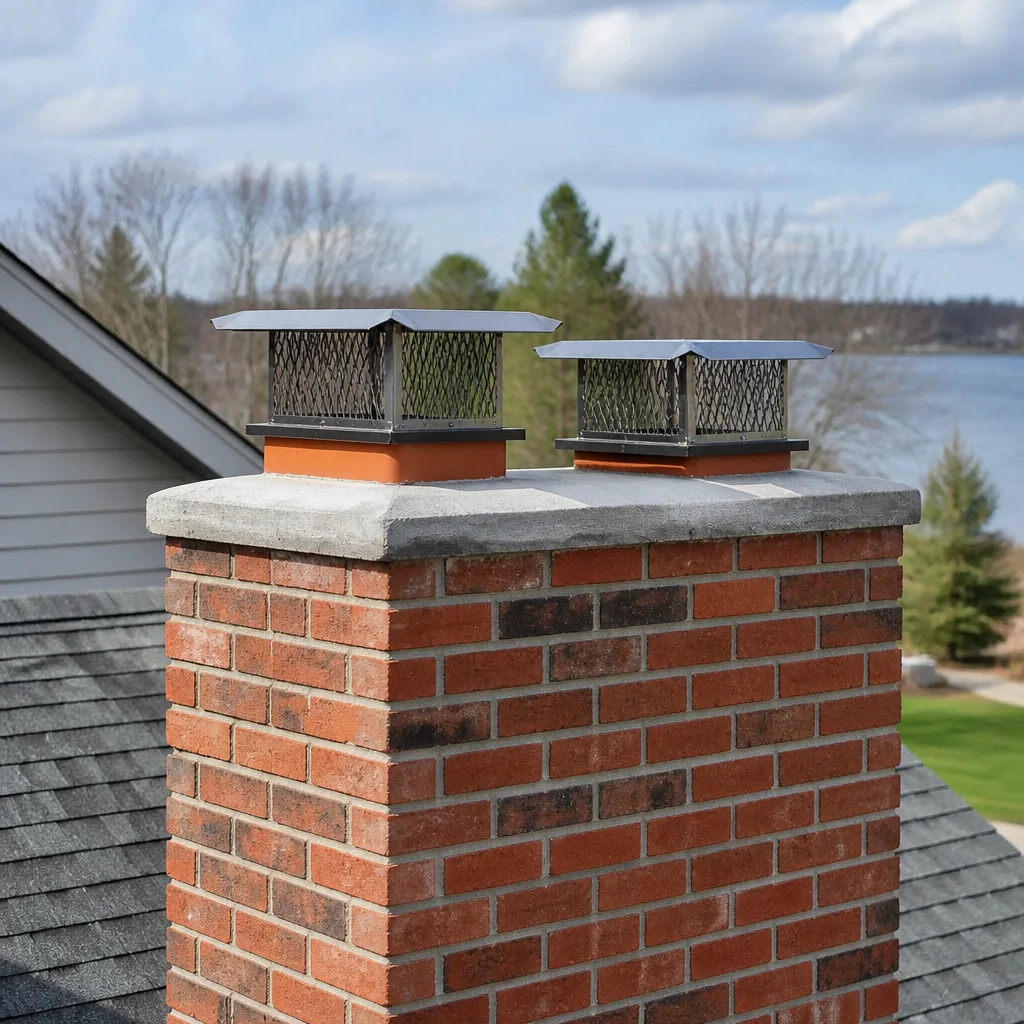 Caps & crowns
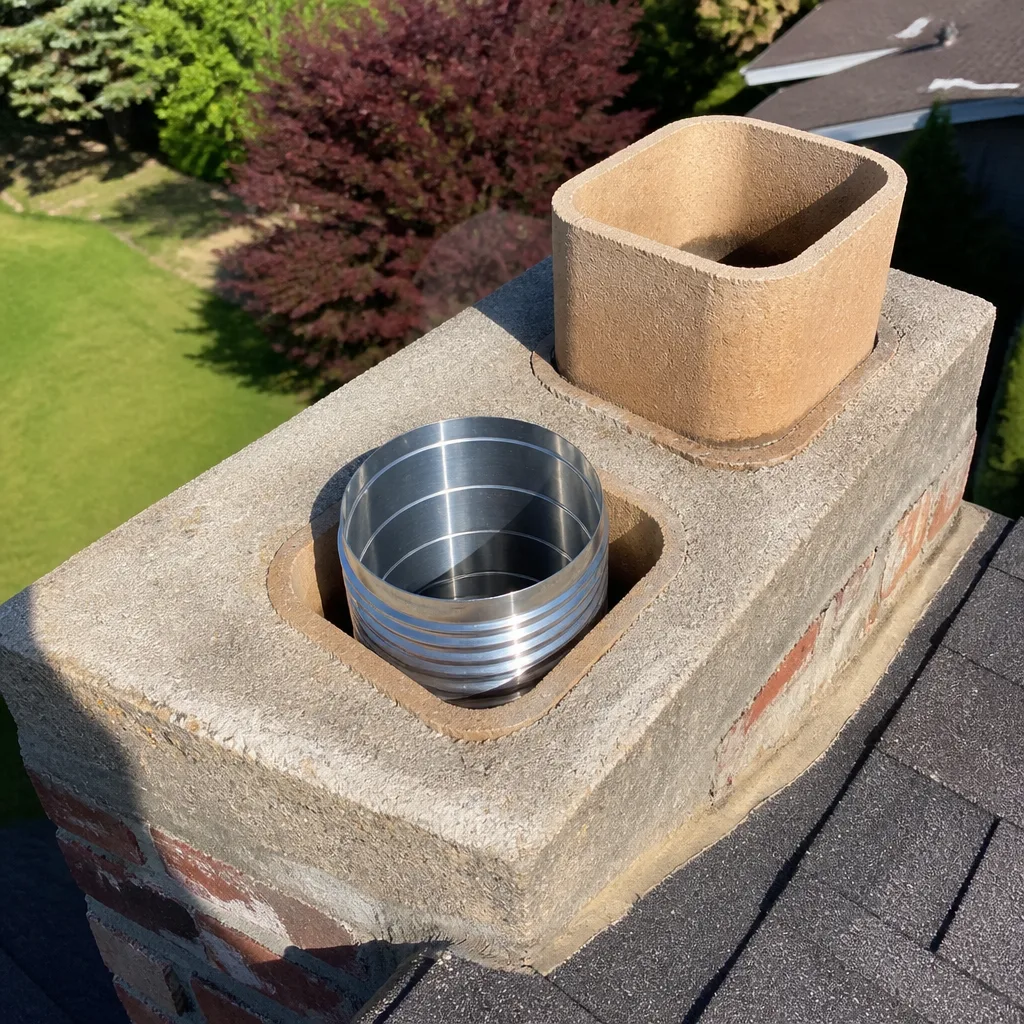 Flue relining
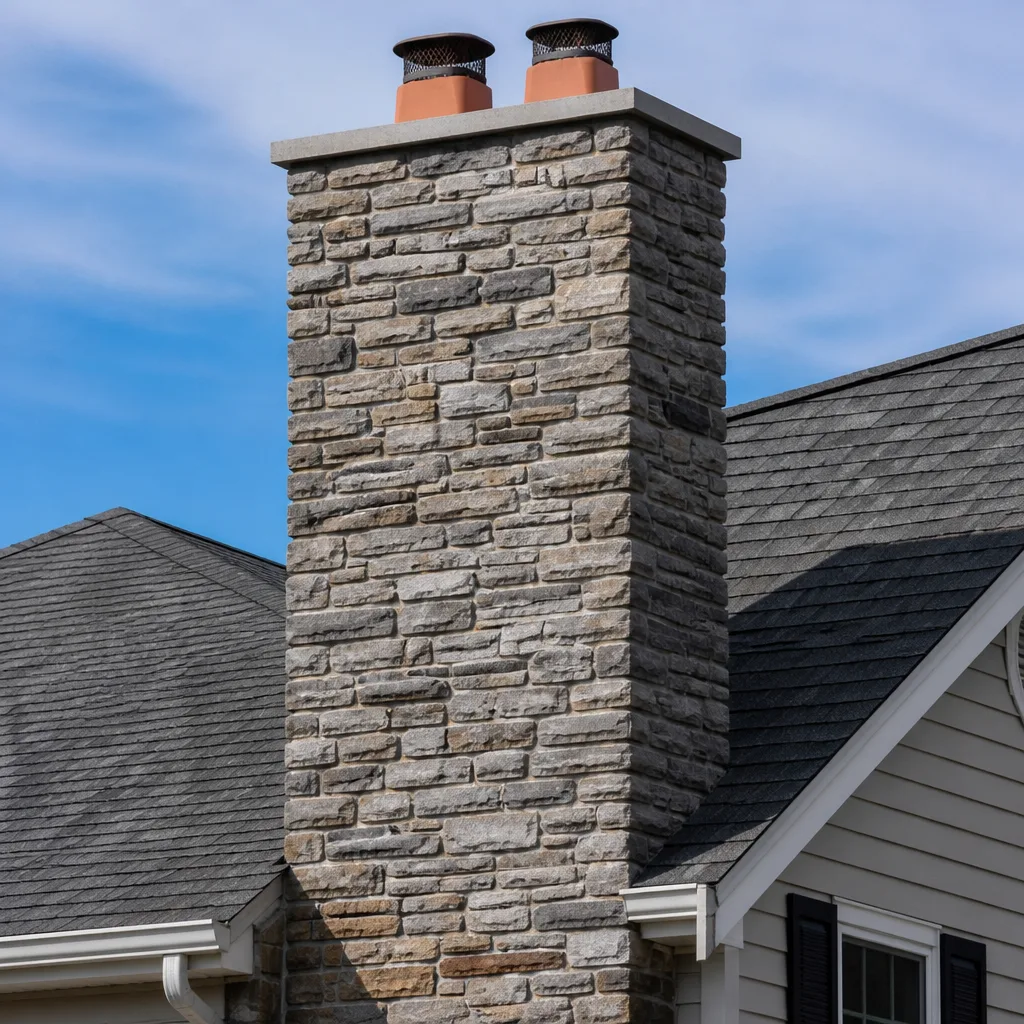 Masonry repair
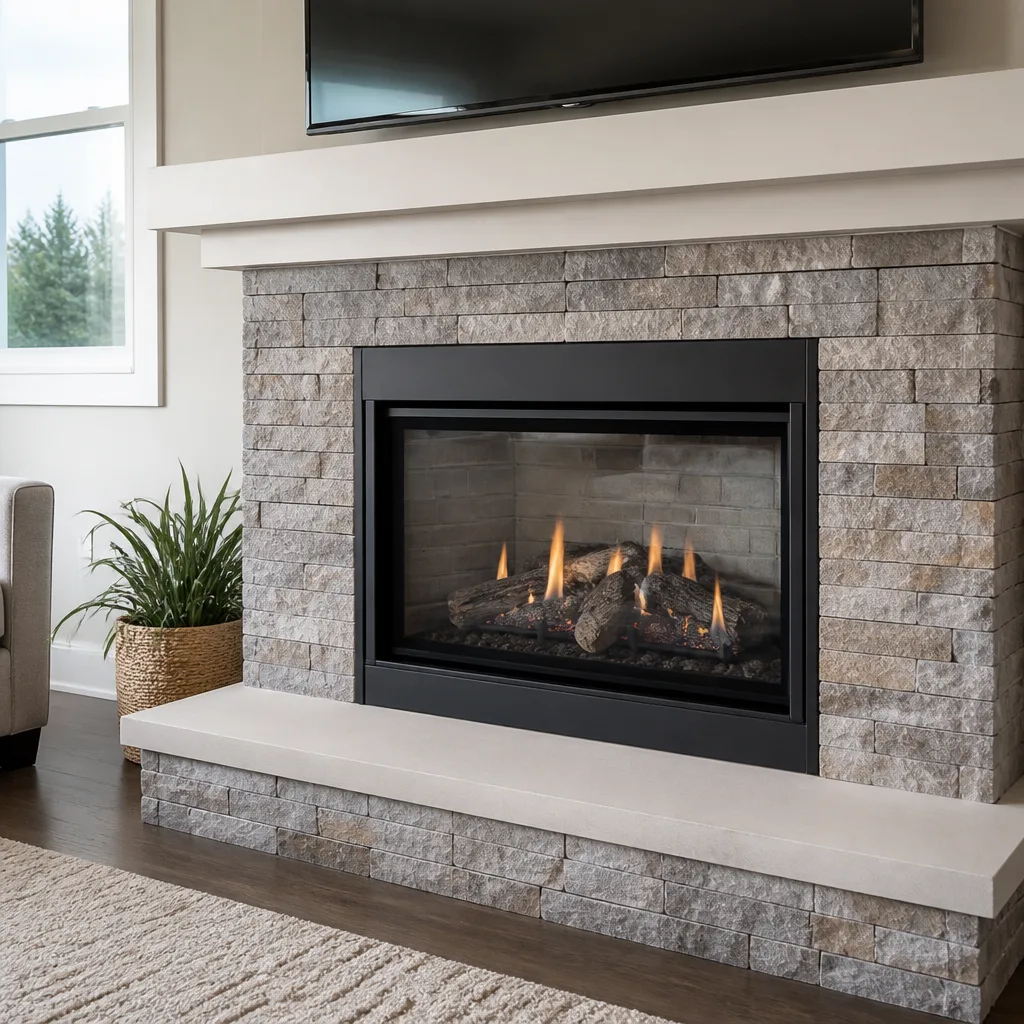 Gas fireplace service
Level 1 sweep and inspection to the NFPA 211 annual standard - flue, crown, cap, and flashing checked and photographed
Chimney sweep logs do not sweep chimneys. They loosen some creosote - which then falls where a brush and vacuum still have to collect it.
Chimney Cleaning Cost Breakdown: The Tustin Homeowner’s Reference for 2026
The $99 chimney cleaning special almost never includes a camera inspection, a written report, or correction of incidental issues found up top. That low price buys a brush pass, not a professional evaluation, and those are fundamentally different services with fundamentally different price tags. When you line up three Tustin quotes side by side, the spread between $99 and $400-plus isn’t profit margin. It’s scope. This breakdown decodes every line item so you can compare quotes on equal terms instead of headline price. You’ll learn what a baseline sweep actually covers, what a full inspection adds, how our local housing stock changes the math, and what the repair benchmarks look like when a cleaning turns up a real problem. Mentioning Tustin once: that’s where we work, and the numbers here reflect what this market actually looks like in 2026.
Quick Answer
A standard chimney cleaning in Tustin typically runs $180 to $280 for a masonry chimney and $150 to $240 for a factory-built unit, while a cleaning bundled with a Level 1 inspection and camera scan usually lands between $280 and $420. The written estimate you receive before booking sets the final price, and it should itemize each line: sweep, inspection, camera, and any report. Anything under $150 is usually a brush pass with no inspection attached, and that distinction matters more than the number on the coupon.
Styles & brands we work with
- Sweep & inspection
- Caps & crowns
- Flue relining
- Masonry repair
- Gas fireplace service
Table of Contents
- What a Baseline Sweep Covers Versus a Full Inspection
- Cost Drivers Specific to Tustin Housing Stock
- Repair Cost Benchmarks Triggered by Cleaning Findings
- How to Evaluate a Chimney Cleaning Quote
- The Annual Cost of Neglect Versus the Service Investment
- When to Schedule in Tustin: Seasonality and Timing
- Common Mistakes to Avoid
- When to Call a Professional
What a Baseline Sweep Covers Versus a Full Inspection
The core confusion in chimney pricing is that “cleaning” and “inspection” get used interchangeably in advertising, but they are two separate services with separate scopes and separate costs. A baseline sweep removes creosote and soot from the flue using brushes sized to the flue’s interior. That’s it. It doesn’t tell you whether the flue liner has a crack, whether the damper seals, whether the crown has a hairline fracture, or whether the smoke chamber has deteriorated mortar joints. A brush pass makes the chimney cleaner. It doesn’t make it safer, because it doesn’t evaluate anything.
A Level 1 inspection is the evaluation layer that sits on top of the sweep. It’s a visual examination of all accessible portions of the chimney, firebox, damper, and connector, and it should include a camera scan of the flue interior when the flue geometry or creosote condition warrants it. The camera is what catches the thing a brush can’t reach: a gap in the liner, a spalled section of the smoke chamber, a disconnected flue collar. When we perform a chimney sweep in Tustin, the written report is part of the deliverable, not an upsell.
The realistic price difference in the Orange County market for 2026 is roughly $100 to $160 between a bare brush pass and a cleaning-plus-inspection-with-camera package. That gap is the single most important number on this page, because it’s the difference between knowing your chimney is clean and knowing your chimney is safe. A $99 special that stops at the brush has made a decision about your safety without consulting you.
What each tier actually includes
- Baseline sweep: flue brushing, soot removal, basic firebox cleanup. No report, no camera, no evaluation.
- Sweep plus Level 1 inspection: the sweep plus visual examination of accessible chimney components plus a written report of findings.
- Sweep plus Level 1 plus camera scan: the above plus a video scan of the flue interior with photos you can see, which is the tier that catches liner damage before it becomes a repair.
If a quote doesn’t tell you which tier it’s pricing, that’s the first thing to ask. Scope ambiguity is where cheap quotes hide their real cost.
Cost Drivers Specific to Tustin Housing Stock
The price of a cleaning isn’t uniform across Tustin because the chimneys aren’t uniform. Two houses on the same street can be quoted differently, and the reasons are physical, not arbitrary. Understanding what drives the number keeps you from feeling blindsided when your quote comes in higher than a neighbor’s.
The biggest variable is masonry versus factory-built. A traditional masonry chimney with a clay tile flue takes longer to sweep, takes more equipment, and takes a different brush set because the flue geometry is rigid. A prefab zero-clearance unit with a metal flue is faster to service in most cases, but it has its own constraints: the flue diameter is often smaller, some units require inspection of the cooling air channels, and the manufacturer’s specifications govern what can and can’t be done. Prefab units are typically the cheaper service, usually by $30 to $60, but only when the technician knows the specific unit. Improvising on a prefab flue is how damage happens.
The second variable is flue run length. Two-story homes in Tustin carry longer flue runs than single-story homes, and a long run means more brush travel, more time on the roof, and occasionally more than one access point. A long flue with an offset or a smoke shelf transition takes more labor. That’s a real cost driver, and it’s one a quote should mention if it applies.
What raises the number on a Tustin quote
- Masonry construction: slower sweep, more equipment, more labor time.
- Long flue runs on two-story homes: more brush travel and roof time.
- Heavy creosote: a chimney that hasn’t been swept in years may need staged cleaning.
- Difficult roof access: steep pitch, tile roofs, or obstructions that slow the job.
- Multiple flues: a chimney serving two fireplaces or a fireplace and a furnace is two flues, not one.
Local climate matters here too, though not in the way cold-climate guides claim. Tustin winters are mild, which means chimneys don’t get the deep freeze they do in mountain towns, but it also means homeowners sometimes run the fireplace on cool evenings well into spring and start again early in fall. A fireplace in near-year-round use accumulates creosote faster than one used seasonally. In our experience, that’s a Tustin-specific wrinkle that national cost guides miss entirely.
Repair Cost Benchmarks Triggered by Cleaning Findings
Most cleanings find nothing that needs immediate repair. But when they do, the homeowner deserves a benchmark for what the fix should cost before they’re quoted a number on the roof. These ranges are typical for the Tustin area in 2026, and the written estimate always sets the final price.
| Repair item | Typical range | When it’s triggered |
|---|---|---|
| HeatShield flue resurfacing | $900 – $1,800 | Deteriorated but structurally intact ceramic liner |
| Crown coat application | $300 – $650 | Hairline cracks in the crown allowing water entry |
| Chimney cap replacement (Famco or Gelco) | $180 – $450 | Missing or damaged cap, water intrusion, animal entry |
| Firebox panel replacement | $600 – $1,400 | Cracked or spalled firebox panels on prefab units |
| Full DuraFlex relining | $2,500 – $5,000 | Liner damage too extensive for resurfacing |
The HeatShield line deserves the longest explanation because it’s the one most homeowners have never heard of and the one that most often saves them thousands. HeatShield is a ceramic flue resurfacing system, not a cap brand and not a liner. It restores a deteriorated but still-structurally-sound clay liner by applying a ceramic coating to the interior. It’s a code-compliant restoration method recognized by the CSIA, and for the right chimney it delivers a sound flue without the cost of a full reline. We specify HeatShield when the camera shows the liner is deteriorated but intact, and we specify DuraFlex liner systems when the damage is beyond what resurfacing can honestly fix. The distinction between those two recommendations is exactly the kind of thing a generalist contractor will get wrong, because they’re not looking at flues every week.
Cap replacement is the other frequent finding, and it’s the cheapest insurance a chimney has. The cap and the crown are the two most common points of water intrusion on a chimney, and water is the actual enemy of a masonry chimney, not fire. We carry Famco and Gelco cap inventory so a cap found damaged during a sweep can be addressed in the same visit rather than booked as a second appointment. If you’ve had a chimney repair on your list for a while, a cleaning is the natural moment to have it looked at with a camera already in hand.
How to Evaluate a Chimney Cleaning Quote
A quote you can trust is a quote you can read. If you can’t tell from the estimate what’s included, the price is meaningless, because a low number and a high number only compare when they describe the same work. Here’s the evaluation sequence we’d use if we were hiring someone for our own chimney.
- Check that the scope is written, not spoken. The estimate should name the sweep, the inspection level, whether a camera scan is included, and whether a written report is delivered.
- Check that the price is flat and agreed before booking. A flat-price estimate means the number doesn’t move because the job turns out to be a normal cleaning. If the price can drift mid-job, it isn’t a quote.
- Check what happens if the inspection finds something. A trustworthy process recommends nothing without camera evidence you can see for yourself, and it tells you plainly when work can safely wait.
- Check for surprise add-ons. Camera scan, written report, cap check, crown check, and firebox cleanup should all be itemized up front or clearly stated as out of scope. They should never appear as an after-the-fact charge once the technician is on your roof.
- Check the technician’s specialization. A chimney-only company does this work every day. A general handyman doing chimneys on the side is learning on your flue.
The line items that should always be itemized are the sweep, the inspection, the camera, and the report. The things that should never show up as a surprise add-on are trip charges, “inspection fees” tacked on after the sweep, or a same-day upsell that wasn’t in the original scope. If a technician finds a real problem and recommends a repair, that repair should be estimated separately with camera evidence attached, and you should be free to think about it. Our technicians have up to 10 years of experience, and the ones worth trusting will tell you when the answer is “nothing needed, see you next year.”
The Annual Cost of Neglect Versus the Service Investment
Chimneys don’t fail suddenly. They fail slowly, then all at once. The reason to schedule annual cleaning is that the cost of the service is a fraction of the cost of the repair it prevents, and the escalation from one problem to the next is where the money actually goes. Deferred cleaning doesn’t save the cleaning cost. It just moves it, and it usually moves it into a repair category that costs many times more.
Picture the escalation honestly, in general terms. A year or two of skipped cleaning leaves creosote accumulation in the flue. Creosote is what fuels a chimney fire, and the risk is not hypothetical for a wood-burning fireplace in regular use. Leave it longer and the damage can progress from a dirty flue to a compromised liner, from a compromised liner to a firebox or smoke chamber repair, and from there to a full relining. Each step up the ladder costs more than the step below it, and each one started as something a $180 to $280 annual sweep would have caught. This is the “catch it before it costs you” logic, and it isn’t a sales pitch. It’s just arithmetic.
There’s a second cost of neglect that doesn’t show up on a repair estimate: carbon monoxide risk. A blocked or damaged flue can allow combustion gases to back up into the home rather than venting up and out. That’s a safety issue, not a money issue, and it’s the reason an annual inspection matters even in a mild climate where the fireplace runs only part of the year.
Where the escalation typically goes
- Skipped cleaning (1-2 years): creosote buildup, higher fire risk, no repair cost yet.
- Skipped cleaning (3-5 years): liner deterioration begins, crown cracks from water intrusion, cap damage.
- Skipped cleaning (5+ years): liner damage, firebox deterioration, smoke chamber issues, full reline territory.
The math favors the annual service every time. The written estimate sets the final price for a cleaning, and it’s a predictable, flat number you agree to before the work begins. A repair triggered by neglect is never predictable, because you don’t find out until the camera goes in.
When to Schedule in Tustin: Seasonality and Timing
The best time to have your chimney swept in Tustin is before burning season, not during it. That window is fall, when the first cool evenings prompt the first fire and the creosote from last season is still sitting in the flue. Scheduling before the season starts means the inspection happens before you have a fire going, so any needed repair can be completed before you want to use the fireplace. A sweep booked mid-season works fine, but it may leave you without a usable fireplace while a repair is handled.
The mild local climate does something subtle to the calendar. Because Tustin evenings stay cool enough to make a fire pleasant for much of the year, many homes use the fireplace more than their square footage would suggest. That usage pattern means the creosote load accumulates faster than a strict winter-only-burning household, and it means “once a year” is the right cadence even though the heating season is gentle. If you burn frequently, once a year is the floor, not the ceiling.
The urgency here is seasonal, not hourly. There’s no reason to scramble for a same-day booking because a coupon expires, and a cleaning can be scheduled to fit your week. We’re closed on Saturday; fast dispatch runs from 7am to 7pm Sunday through Friday. Book the sweep before the first fire of the season and you’ve handled the whole thing with time to spare.
Common Mistakes to Avoid
- Treating the $99 special as a full-service cleaning. A brush pass without an inspection isn’t the same service, and it won’t tell you whether your liner is intact. Ask what the price includes before you book, not after.
- Comparing quotes without comparing scope. A $180 quote and a $350 quote only compare when both describe a sweep, an inspection, a camera scan, and a report. Line up the scopes first, then the prices.
- Hiring a generalist to save a few dollars. Chimney work is a specialized trade, and a handyman learning on your flue is a real risk. A chimney-only company does this every day.
- Letting a cleaning finding turn into an immediate expensive repair without camera evidence. You should see the photos of what was found. Any recommendation without evidence you can review is one you can decline.
- Ignoring the cap and crown. Water intrusion is the most common cause of long-term chimney damage in Tustin’s climate, and a damaged cap or crown is often the entry point. Have both checked during every sweep.
- Assuming a gas insert needs no maintenance. A gas fireplace has a vent that still needs inspection, and a wood-burning fireplace converted to gas has a flue that still needs evaluation. “No wood, no maintenance” is a myth.
- Waiting for a problem to announce itself. Chimney damage usually doesn’t announce itself until it’s expensive. The annual sweep is how it gets caught early, and skipping it is how it doesn’t.
When to Call a Professional
Call a professional if you haven’t had the chimney swept in the past year, if you’ve noticed a smell of creosote or smoke in the house when the fireplace isn’t running, if the firebox shows cracked panels or spalled mortar, if the cap is missing or visibly damaged, or if you’ve never had the flue inspected with a camera and don’t know what condition it’s in. Call if you’re buying a home with a fireplace and want to know what you’re inheriting. Call if the crown has visible cracks or the masonry above the roofline is showing deterioration. And call if a previous company told you that you needed a major repair and you have no way to verify the claim, because a second look with camera evidence is worth the call.
Tustin Chimney Sweep offers free estimates in Tustin. One inspection, one company, no subcontractors. Call (877) 770-1857. We answer 24/7. Fast dispatch from 7am to 7pm, Sunday through Friday. The local pro we connect you with is licensed and insured as their state requires, and every estimate sets the price before any work begins.
See the difference
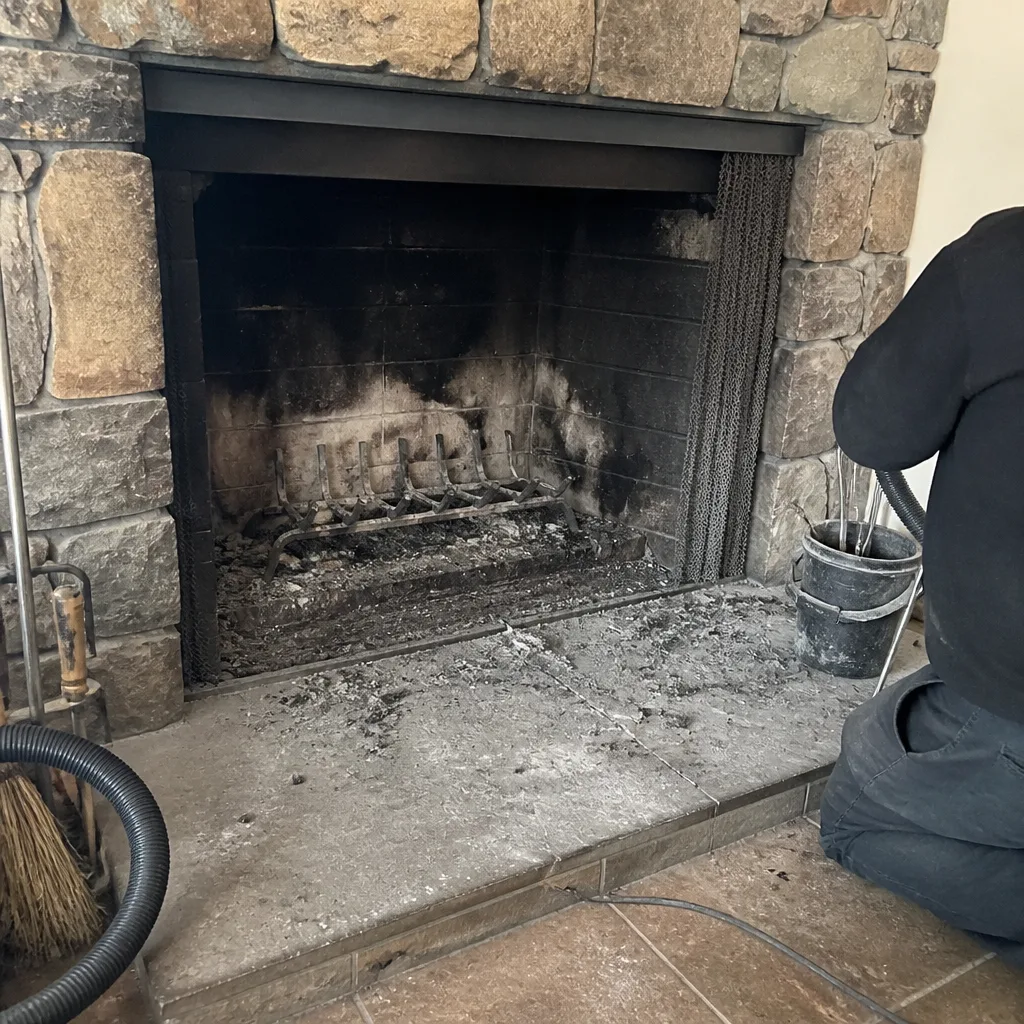 Before
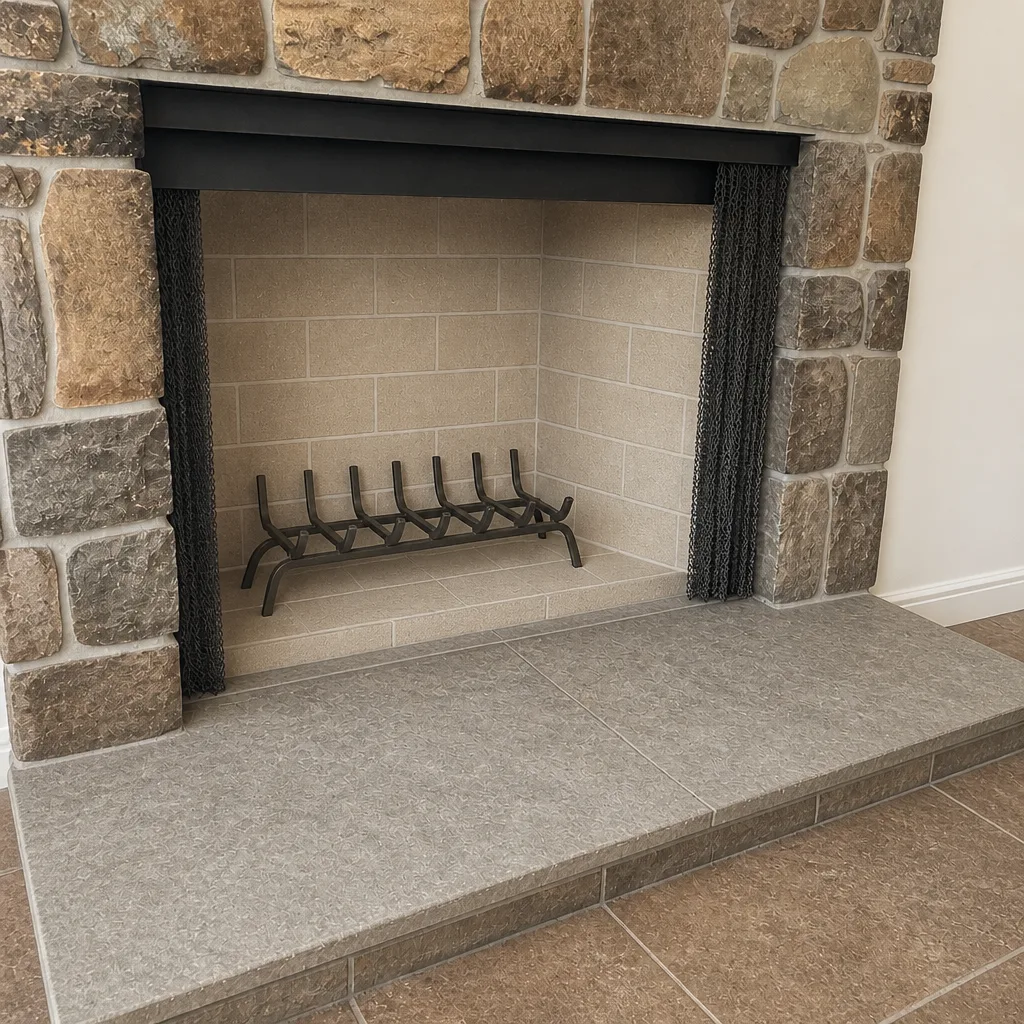 After
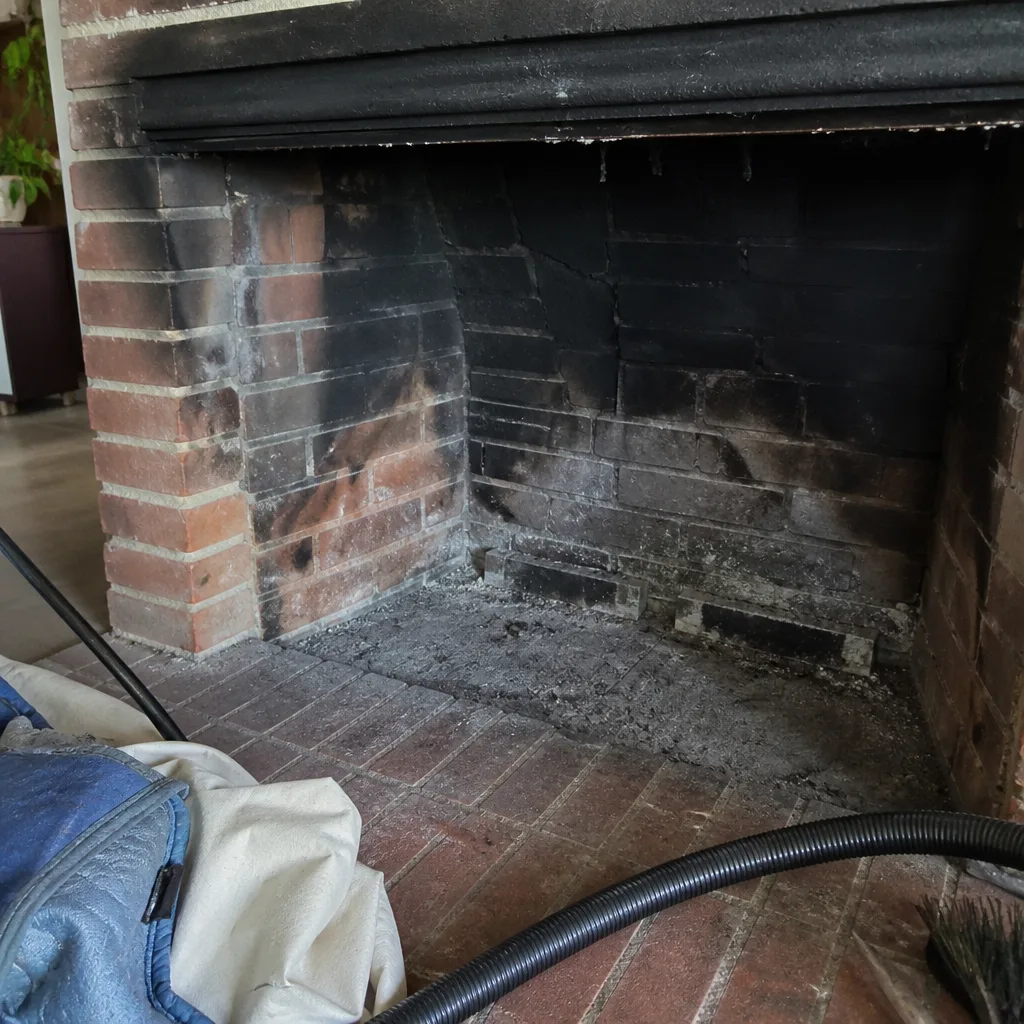 Before
 After
 Before
 After
Frequently Asked Questions
A standard chimney cleaning in Tustin typically costs $180 to $280 for a masonry chimney and $150 to $240 for a factory-built unit, with a cleaning-plus-inspection package usually between $280 and $420. The written estimate sets the final price, and it should itemize the sweep, inspection, camera scan, and report so you can compare it fairly. Call (877) 770-1857 for an exact quote. Estimates are free.
Whether you need resurfacing or a full liner depends entirely on what the camera shows, and the honest answer is that no one can tell you from the ground. HeatShield ceramic resurfacing restores a liner that is deteriorated but still structurally intact, while a DuraFlex liner system is specified when the damage is beyond what resurfacing can fix. Nothing should be recommended without camera evidence you can see for yourself. Call (877) 770-1857 to have the flue looked at with a camera before any liner decision is made.
A chimney should be swept once a year for most homes with a wood-burning fireplace in regular use, and more often if you burn frequently or notice heavy creosote. Tustin’s mild climate means many households use the fireplace well beyond a short winter, which can increase creosote accumulation compared with a strictly seasonal burn. Call (877) 770-1857 to book an annual sweep before the burning season.
Skipping the cleaning doesn’t save the cost, it moves it into a repair. Creosote accumulates in the flue, liner deterioration can progress unnoticed, and what starts as a dirty chimney can become a reline. There’s also a carbon monoxide risk when a flue is blocked or damaged and combustion gases back up into the home. Call (877) 770-1857 for a free estimate on a cleaning before another season passes.
Chimney cleaning prices differ because the chimneys differ, and the main drivers are masonry versus factory-built construction, flue run length, roof access, creosote condition, and whether the job covers one flue or more. A two-story masonry chimney with a long, offset flue takes more time and equipment than a single-story prefab unit. Call (877) 770-1857 and we’ll tell you which of those applies to your chimney.
The sweep, the inspection, the camera scan, and the written report should all be itemized up front, or clearly stated as out of scope. Trip charges, inspection fees added after the sweep, and same-day upsells that weren’t in the original scope should never appear as surprises once the technician is on your roof. If you receive a quote that doesn’t itemize, call (877) 770-1857 and we’ll walk you through what a fair estimate looks like.
The Bottom Line
The spread between a $99 special and a $400-plus full-service visit isn’t profit margin. It’s scope: what’s included, what’s inspected, and what’s documented. A baseline sweep makes your chimney cleaner. A sweep with a Level 1 inspection and camera scan makes it safer, because it tells you what condition the flue is actually in. In Tustin, the realistic price for that full package in 2026 is $280 to $420, and it’s the most predictable money you’ll spend on the chimney all year. The cost of skipping it isn’t zero; it’s just deferred into a repair that starts higher. For preventive protection, our fireplace repair and cap-and-crown services handle the two most common points of water intrusion. One inspection, one company, no subcontractors. Chimney work only. Start with Tustin Chimney Sweep and get a flat price in writing before anything is booked.
Ready to schedule? Call (877) 770-1857 for a free estimate. We answer 24/7. Fast dispatch from 7am to 7pm, Sunday through Friday. Every estimate is free, the price is set per job in writing, and nothing is recommended without camera evidence you can review.
Written by the team at Tustin Chimney Sweep.